Key Points of Melamine Closet Panel Uses
- Deep understanding of melamine closet panels structure, materials, and industrial applications
- Explore global standards such as CARB P2, E1, and ISO environmental compliance
- Learn engineering principles behind laminated surface technology
- Compare melamine panels with MDF, plywood, and solid wood in detail
- Analyze real-world applications in residential, hotel, and commercial projects
- Understand cost structure, durability, and lifecycle performance
- Review global furniture manufacturing trends and sustainability direction
- Gain insights into buyer decision-making models for engineered wood products
Introduction
.jpg-1.webp)
The global furniture industry is undergoing a structural transformation driven by urbanization, modular living, and cost-efficient mass production systems. According to international wood-based panel industry reports, engineered wood products now account for more than 75% of global interior furniture materials.
Among these materials, melamine closet panels have become one of the most dominant solutions due to their balance of:
- Aesthetic flexibility
- Industrial scalability
- Cost efficiency
- Environmental compliance options
Unlike traditional solid wood furniture, melamine panels allow manufacturers to produce standardized, customizable, and highly durable storage systems at scale. This makes them a core material in modern wardrobe systems, kitchen cabinets, office storage units, and commercial interior projects.
Table of Contents
Global Market Overview of Melamine Closet Panels
Industry Growth Insight
The global melamine-faced board market is expanding steadily due to rising demand in:
- Residential construction
- Hotel renovation projects
- E-commerce furniture supply chains
- Modular interior systems
Market Drivers
Urban Housing Expansion
Smaller living spaces increase demand for optimized storage solutions.
Cost Efficiency Pressure
Manufacturers prefer engineered wood due to lower material waste.
Aesthetic Customization Demand
Consumers expect multiple surface finishes at affordable prices.
Engineering Structure of Melamine Closet Panels
Layered Material Composition System
A melamine closet panel is composed of multiple engineered layers:
1. Core Substrate Layer
Usually MDF or particle board providing structural strength.
2. Decorative Paper Layer
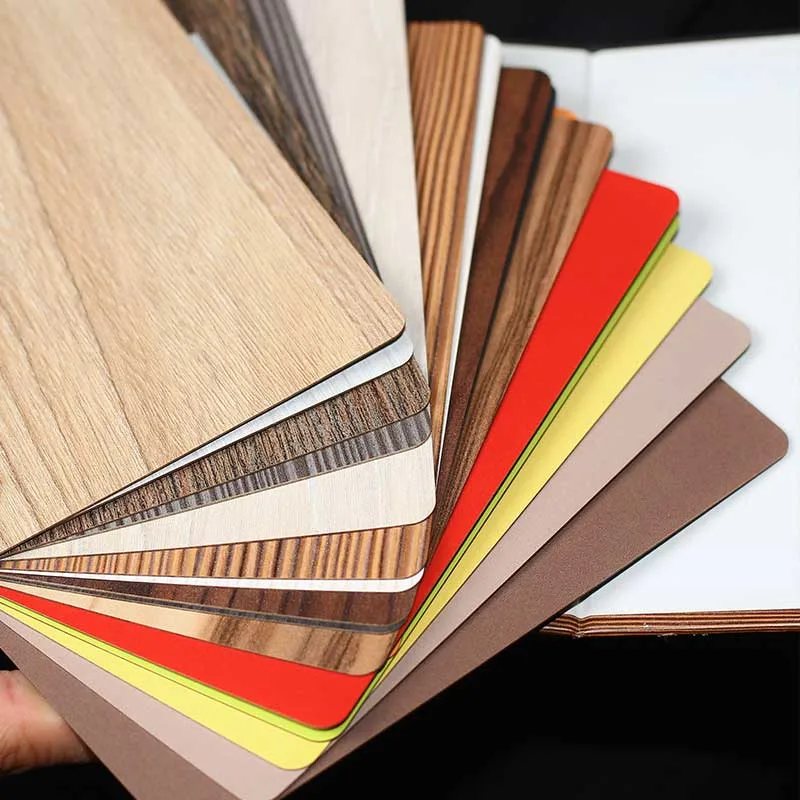
Printed with wood grain, marble, or solid color patterns.
3. Melamine Resin Layer
A thermosetting resin that hardens under heat and pressure.
4. Protective Surface Layer
Ensures scratch resistance and moisture barrier performance.
Technical Concept: Thermosetting Polymer Bonding
Melamine resin undergoes irreversible curing during production, forming a hardened surface that cannot be remelted.
This results in:
- High surface hardness
- Chemical resistance
- Stable color retention
International Standards for Melamine Closet Panels
CARB Phase 2 (USA)
Focuses on formaldehyde emission limits in composite wood products.
- Limits: ≤0.09 ppm
- Widely required for export furniture
E1 Standard (Europe)
Emission Requirement
- ≤0.124 mg/m³ formaldehyde emission
ISO 12460 Testing System
Used to measure formaldehyde release from wood-based panels.
Environmental Compliance Concept
Manufacturers increasingly adopt:
- Low-emission adhesives
- Water-based resins
- Eco-certified raw materials
Melamine Closet Panels Manufacturing Technology
-2.jpg)
Hot Press Lamination Process
Process Overview
- Decorative paper impregnated with melamine resin
- High pressure + high temperature bonding
- Surface curing into rigid protective layer
Key Engineering Parameter Table
| Parameter | Typical Value |
|---|---|
| Press Temperature | 160–220°C |
| Pressure | 20–40 kg/cm² |
| Press Time | 20–60 seconds |
| Density Range | 630–750 kg/m³ |
Surface Hardness Performance
Melamine surfaces typically achieve:
- Scratch resistance: High
- Abrasion resistance: Medium-High
- Heat resistance: Up to 140°C (short-term exposure)
Melamine Closet Panels Performance Engineering
Moisture Resistance Mechanism
The melamine layer reduces water penetration by creating a sealed polymer barrier.
However:
- Core board still determines long-term water resistance
- Edge sealing is critical for durability
Scratch Resistance System
Concept Explanation
The resin surface forms a rigid layer that resists mechanical abrasion from:
- Clothing hangers
- Kitchen utensils
- Daily usage friction
Color Stability Performance
UV-resistant additives help maintain surface appearance over time.
Melamine Closet Panels Applications in Real Projects
Residential Wardrobe Systems
Modern apartments use melamine panels for:
- Built-in closets
- Sliding wardrobes
- Modular storage systems
Hotel Interior Furniture Case Study
Project Example
A 4-star hotel renovation project used melamine panels for:
- 200+ room wardrobes
- Corridor storage systems
Results
- 35% cost reduction vs solid wood
- Faster installation cycles
- Consistent design uniformity
Commercial Office Storage Systems
Used in:
- Filing cabinets
- Partition storage walls
- Custom office furniture
Melamine Closet Panels vs Alternative Materials (Deep Comparison)
Full Technical Comparison Table
| Feature | Melamine Panels | MDF | Plywood | Solid Wood |
| Cost | Low-Medium | Low | Medium | High |
| Durability | Medium-High | Medium | High | Very High |
| Moisture Resistance | Medium | Low | High | Medium |
| Design Variety | Very High | Medium | Medium | Low |
| Mass Production Suitability | Excellent | Good | Good | Poor |
Key Insight: Industrial Efficiency Advantage
Melamine panels dominate large-scale furniture production because they:
- Reduce manufacturing time
- Improve consistency
- Lower material waste
Adhesive and Environmental Technology in Melamine Closet Panels
-3.jpg)
Low Formaldehyde Adhesives
Modern production uses:
- E0-grade adhesives
- Water-based resin systems
- Urea-formaldehyde reduction technologies
Environmental Certification Trends
Global buyers increasingly require:
- FSC-certified wood sources
- CARB compliance
- ISO 14001 manufacturing systems
Design Trends in Melamine Closet Panels
Trend 1: Minimalist Interior Design
Flat matte surfaces dominate modern interiors.
Trend 2: Natural Wood Simulation
High-definition printing creates realistic wood textures.
Trend 3: Stone and Marble Finishes
Used in premium furniture lines.
Trend 4: Smart Modular Systems
Panels designed for:
- Easy assembly
- Reconfiguration
- Flat-pack shipping
Cost Structure Analysis of Melamine Closet Panels
Manufacturing Cost Breakdown
- Core board: 40–55%
- Resin & coating: 20–25%
- Labor: 10–15%
- Energy consumption: 10–15%
Lifecycle Cost Advantage
Compared to solid wood:
- Lower maintenance cost
- Higher production scalability
- Reduced replacement frequency
Real-World Failure Case Analysis
Common Issue: Edge Swelling
Cause
Poor edge sealing allows moisture penetration.
Solution
Use:
- PVC edge banding
- Laser sealing technology
Common Issue: Surface Delamination
Cause
Low-quality adhesive or improper pressing conditions.
Global Supply Chain Trends
Trend 1: Asia-Pacific Manufacturing Dominance
China, Vietnam, and Malaysia lead global production.
Trend 2: E-commerce Furniture Expansion
Flat-pack furniture demand increases melamine panel usage.
Trend 3: Sustainable Material Transition
Shift toward:
- Recycled wood fibers
- Low-emission resin systems
Buyer Decision Framework for Melamine Closet Panels
Step 1: Application Definition
Ask:
- Residential or commercial use?
- Moisture exposure level?
Step 2: Core Material Selection
- MDF → cost-effective
- Particle board → standard furniture
- Plywood → premium durability
Step 3: Surface Finish Selection
- Glossy → modern luxury
- Matte → minimalist design
- Texture → natural appearance
Conclusion
The rise of melamine closet panels reflects a major shift in global furniture manufacturing toward efficiency, modularity, and sustainable production.
With strong advantages in:
- Cost control
- Design flexibility
- Industrial scalability
- Environmental compliance
they have become a core material in residential and commercial interior systems worldwide.
As smart manufacturing and eco-material technologies continue to evolve, melamine-based solutions will remain central to the future of global furniture production.
FAQ
What are melamine closet panels used for?
They are widely used in wardrobes, cabinets, and modular furniture systems due to their durability and design flexibility.
Are melamine closet panels waterproof?
They are moisture-resistant but not fully waterproof. Edge sealing is essential.
How long do melamine closet panels last?
Typically 5–15 years depending on usage environment and material quality.
Are melamine panels safe for indoor use?
Yes, certified low-emission panels comply with CARB and E1 standards.
Can melamine panels be customized?
Yes, they support a wide range of colors, textures, and surface designs.
Thank you for reading!
I’m glad you joined me on this journey. If you found this content useful or interesting, I would love to hear your thoughts.
- Follow me on Facebook for tips, updates, and community discussions.
Click here to connect - Subscribe to my YouTube channel for tutorials, demonstrations, and practical insights.
Click here to subscribe
Feel free to share your feedback or questions in the comments or on social media. Let’s keep learning and growing together!
.jpg)