Pontos-chave dos usos do painel do armário de melamina
- Compreensão profunda da estrutura, materiais e aplicações industriais dos painéis do armário da melamina
- Explore padrões globais como CARB P2, E1 e conformidade ambiental ISO
- Aprenda princípios de engenharia por trás da tecnologia de superfície laminada
- Compare painéis de melamina com MDF, madeira compensada e madeira maciça em detalhes
- Analise aplicações do mundo real em projetos residenciais, hoteleiros e comerciais
- Entenda a estrutura de custos, durabilidade e desempenho do ciclo de vida
- Revise as tendências globais de fabricação de móveis e a direção da sustentabilidade
- Obtenha insights sobre modelos de tomada de decisão do comprador para produtos de madeira projetada
Introdução
.jpg-1.webp)
A indústria global de móveis está passando por uma transformação estrutural impulsionada pela urbanização, vida modular e sistemas de produção em massa econômicos De acordo com relatórios internacionais da indústria de painéis baseados em madeira, os produtos de madeira projetados agora representam mais de 751TP3 T de materiais globais de móveis interiores.
Entre esses materiais, painéis armário melamina tornaram-se uma das soluções mais dominantes devido ao seu equilíbrio de:
- Flexibilidade estética
- Escalabilidade industrial
- Eficiência de custo
- Opções de conformidade ambiental
Ao contrário dos móveis tradicionais de madeira maciça, os painéis de melamina permitem que os fabricantes produzam sistemas de armazenamento padronizados, personalizáveis e altamente duráveis em escala Isso os torna um material central em sistemas modernos de guarda-roupa, armários de cozinha, unidades de armazenamento de escritório e projetos de interiores comerciais.
Índice
Visão geral do mercado global de painéis de armários de melamina
Visão do crescimento da indústria
O mercado global de placas com face de melamina está se expandindo constantemente devido ao aumento da demanda em:
- Construção residencial
- Projetos de renovação de hotéis
- Cadeias de fornecimento de móveis de comércio eletrônico
- Sistemas interiores modulares
Motoristas Mercado
Expansão Habitacional Urbana
Espaços residenciais menores aumentam a demanda por soluções de armazenamento otimizadas.
Pressão de eficiência de custos
Os fabricantes preferem madeira projetada devido ao menor desperdício de material.
Demanda de Personalização Estética
Os consumidores esperam vários acabamentos de superfície a preços acessíveis.
Estrutura de Engenharia de Painéis de Armário de Melamina
Sistema de composição de materiais em camadas
A painel armário melamina é composto por múltiplas camadas projetadas:
1. camada principal do substrato
Geralmente MDF ou aglomerado que fornece resistência estrutural.
Camada de papel decorativa 2
Impresso com grão de madeira, mármore, ou padrões de cor sólida.
Camada de resina de melamina 3
Uma resina termoendurecível que endurece sob calor e pressão.
Camada protetora da superfície 4
Garante resistência a riscos e desempenho de barreira contra umidade.
Conceito Técnico: Ligação de Polímero Termoendurecível
A resina melamínica sofre cura irreversível durante a produção, formando uma superfície endurecida que não pode ser refundida.
Isso resulta em:
- Dureza de superfície alta
- Resistência química
- Retenção estável da cor
Padrões Internacionais para Painéis de Armário de Melamina
CARB Fase 2 (EUA)
Concentra-se nos limites de emissão de formaldeído em produtos de madeira composta.
- Limites: ≤0,09 ppm
- Amplamente necessário para móveis de exportação
Padrão E1 (Europa)
Requisito de Emissão
- ≤0,124 mg/m³ emissão de formaldeído
Sistema de teste ISO 12460
Usado para medir a liberação de formaldeído de painéis à base de madeira.
Conceito de Conformidade Ambiental
Os fabricantes adotam cada vez mais:
- Adesivos de baixa emissão
- Resinas à base de água
- Matérias-primas eco-certificadas
Tecnologia de fabricação de painéis de armário de melamina
-2.jpg)
Processo de laminação por prensa quente
Visão geral do processo
- Papel decorativo impregnado com resina melamínica
- Alta pressão + ligação de alta temperatura
- Cura de superfície em camada protetora rígida
Tabela de parâmetros chave de engenharia
| Parâmetro | Valor Típico |
|---|---|
| Temperatura de pressão | 160020°C |
| Pressão | 200 kg/cm |
| Imprensa Tempo | 20 segundos |
| Faixa de densidade | 630750 kg/m³ |
Desempenho da dureza superficial
As superfícies de melamina normalmente conseguem:
- Resistência de arranhões: Alta
- Resistência à abrasão: Médio-Alto
- Resistência ao calor: Até 140 °C (exposição de curto prazo)
Melamina Closet Painéis Engenharia de Desempenho
Mecanismo de Resistência à Umidade
A camada de melamina reduz a penetração de água criando uma barreira polimérica selada.
No entanto:
- A placa central ainda determina a resistência à água a longo prazo
- A vedação da borda é fundamental para a durabilidade
Sistema Resistência a Riscos
Explicação Conceitual
A superfície da resina forma uma camada rígida que resiste à abrasão mecânica a partir de:
- Cabides vestuário
- Utensílios cozinha
- Fricção de uso diário
Desempenho de estabilidade de cor
Os aditivos resistentes aos raios UV ajudam a manter a aparência da superfície ao longo do tempo.
Painéis de armário de melamina Aplicações em Projetos Reais
Sistemas de guarda-roupa residencial
Os apartamentos modernos utilizam painéis de melamina para:
- Armários embutidos
- Roupeiros deslizantes
- Sistemas de armazenamento modulares
Estudo de caso de móveis de interiores de hotéis
Exemplo de projeto
Um projeto de renovação de hotel de 4 estrelas utilizou painéis de melamina para:
- Roupeiros com mais de 200 quartos
- Sistemas de armazenamento de corredores
Resultados
- Redução de custos de 35% vs madeira maciça
- Ciclos de instalação mais rápidos
- Uniformidade consistente do projeto
Sistemas de armazenamento de escritórios comerciais
Usado em:
- Armários arquivo
- Paredes de armazenamento de divisórias
- Mobiliário de escritório personalizado
Painéis de armário de melamina versus materiais alternativos (comparação profunda)
Tabela completa de comparação técnica
| Recurso | Painéis de Melamina | MDF | Madeira compensada | Madeira Sólida |
| Custo | Baixo-Médio | Baixo | Médio | Alto |
| Durabilidade | Médio-Alto | Médio | Alto | Muito Alto |
| Resistência à Umidade | Médio | Baixo | Alto | Médio |
| Variedade Design | Muito Alto | Médio | Médio | Baixo |
| Suitabilidade de Produção em Massa | Excelente | Bom | Bom | Pobre |
Key Insight: Vantagem de eficiência industrial
Os painéis de melamina dominam a produção de móveis em grande escala porque eles
- Reduza o tempo de fabricação
- Melhorar consistência
- Menor desperdício de material
Tecnologia Adesiva e Ambiental em Painéis de Armário de Melamina
-3.jpg)
Adesivos de baixo formaldeído
Usos modernos de produção:
- Adesivos de grau E0
- Sistemas de resina à base de água
- Tecnologias de redução de ureia-formaldeído
Tendências de Certificação Ambiental
Os compradores globais exigem cada vez mais:
- Fontes de madeira certificadas pelo FSC
- Conformidade CARB
- Sistemas de fabricação ISO 14001
Tendências de design em painéis de armário de melamina
Tendência 1: Design de Interiores Minimalista
Superfícies planas foscas dominam os interiores modernos.
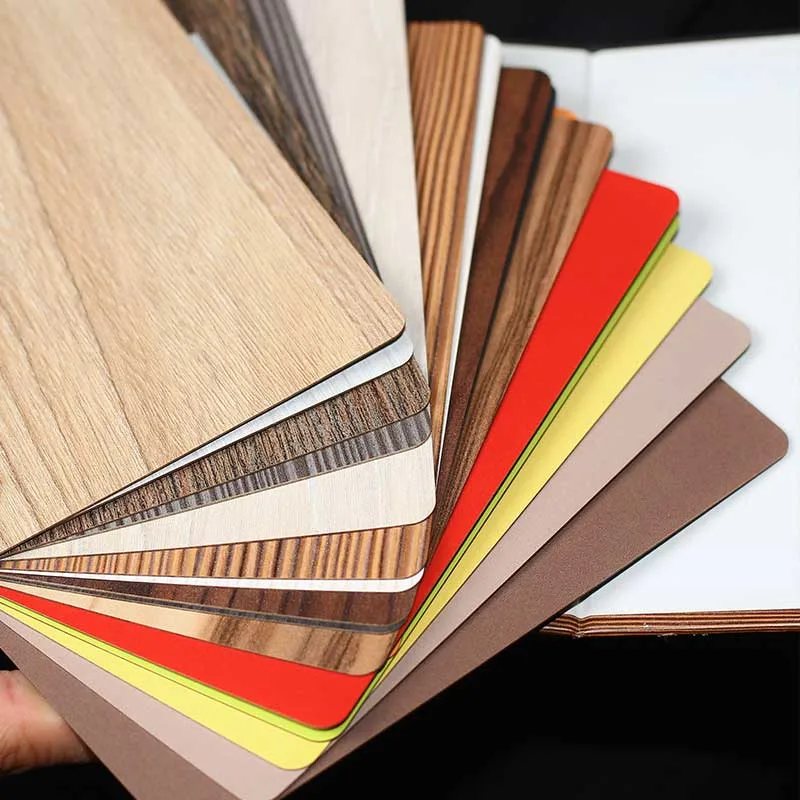
Tendência 2: Simulação de Madeira Natural
A impressão em alta definição cria texturas de madeira realistas.
Tendência 3: Acabamentos em Pedra e Mármore
Usado em linhas de móveis premium.
Tendência 4: Sistemas Modulares Inteligentes
Painéis concebidos para:
- Fácil montagem
- Reconfiguração
- Envio de pacote plano
Análise da Estrutura de Custos de Painéis de armário de melamina
Detalhamento dos custos de fabricação
- Placa central: 4005%
- Resina: 20 revestimento & 5%
- Mão de obra: 10 15%
- Consumo de energia: 100015%
Vantagem de custo do ciclo de vida
Comparado à madeira maciça:
- Menor custo de manutenção
- Escalabilidade de produção mais alta
- Frequência de substituição reduzida
Análise de caso de falha no mundo real
Problema comum: inchaço nas bordas
Causa
A vedação deficiente das bordas permite a penetração de umidade.
Solução
Uso:
- Bandagem borda PVC
- Tecnologia de vedação a laser
Problema comum: Delaminação de superfície
Causa
Adesivo de baixa qualidade ou condições de prensagem inadequadas.
Tendências globais da cadeia de suprimentos
Tendência 1: Domínio da Manufatura na Ásia-Pacífico
China, Vietnã e Malásia lideram a produção global.
Tendência 2: Expansão de móveis de comércio eletrônico
A demanda por móveis planos aumenta o uso de painéis de melamina.
Tendência 3: Transição Material Sustentável
Mudança em direção a:
- Fibras de madeira recicladas
- Sistemas de resina de baixa emissão
Estrutura de decisão do comprador para painéis de armários de melamina
Passo 1: Definição da Aplicação
Pergunte:
- Uso residencial ou comercial?
- Nível de exposição à umidade?
Etapa 2: Seleção de materiais principais
- MDF → econômico
- Placa de partículas → mobiliário padrão
- Contraplacado → durabilidade premium
Passo 3: Seleção de acabamento superficial
- Luxo brilhante → luxo moderno
- Design fosco → minimalista
- Textura → aparência natural
Conclusão
A ascensão de painéis armário melamina reflete uma grande mudança na fabricação global de móveis em direção à eficiência, modularidade e produção sustentável.
Com fortes vantagens em:
- Controle de custos
- Flexibilidade de design
- Escalabilidade industrial
- Conformidade ambiental
eles se tornaram um material central em sistemas de interiores residenciais e comerciais em todo o mundo.
À medida que as tecnologias inteligentes de fabricação e ecomateriais continuam a evoluir, as soluções à base de melamina continuarão sendo centrais para o futuro da produção global de móveis.
Perguntas frequentes
O que são painéis armário melamina usado para?
Eles são amplamente utilizados em guarda-roupas, armários e sistemas de móveis modulares devido à sua durabilidade e flexibilidade de design.
Os painéis do armário da melamina são impermeáveis?
Eles são resistentes à umidade, mas não totalmente à prova d'água A vedação da borda é essencial.
Quanto tempo duram os painéis do armário da melamina?
Normalmente 5 anos, dependendo do ambiente de uso e da qualidade do material.
Os painéis de melamina são seguros para uso interno?
Sim, os painéis certificados de baixa emissão estão em conformidade com os padrões CARB e E1.
Os painéis de melamina podem ser personalizados?
Sim, eles suportam uma ampla gama de cores, texturas e designs de superfície.
Obrigado pela leitura!
Ainda bem que se juntou a mim nesta jornada Se achou este conteúdo útil ou interessante, adoraria ouvir os seus pensamentos.
- Siga-me em Facebook para dicas, atualizações e discussões da comunidade.
Clique aqui para se conectar - Inscreva-se no meu YouTube canal para tutoriais, demonstrações e insights práticos.
Clique aqui para se inscrever
Sinta-se à vontade para compartilhar seus comentários ou perguntas nos comentários ou nas redes sociais Vamos continuar aprendendo e crescendo juntos!
.jpg)