Points clés des utilisations du panneau de placage en mélamine
- Compréhension approfondie de la structure des panneaux de placard en mélamine, des matériaux et des applications industrielles
- Explorez les normes mondiales telles que la conformité environnementale CARB P2, E1 et ISO
- Apprenez les principes d’ingénierie derrière la technologie des surfaces stratifiées
- Comparez en détail les panneaux de mélamine avec du MDF, du contreplaqué et du bois massif
- Analyser des applications réelles dans des projets résidentiels, hôteliers et commerciaux
- Comprendre la structure des coûts, la durabilité et les performances du cycle de vie
- Examiner les tendances mondiales de la fabrication de meubles et l'orientation de la durabilité
- Obtenez des informations sur les modèles décisionnels des acheteurs pour les produits en bois d’ingénierie
Introduction
.jpg-1.webp)
L'industrie mondiale du meuble subit une transformation structurelle entraînée par l'urbanisation, la vie modulaire et les systèmes de production de masse rentables Selon les rapports internationaux de l'industrie des panneaux à base de bois, les produits en bois d'ingénierie représentent maintenant plus de 751TP3 T de matériaux de meubles d'intérieur mondiaux.
Parmi ces matériaux, panneaux de placard en mélamine sont devenues l'une des solutions les plus dominantes en raison de leur équilibre de :
- Flexibilité esthétique
- Évolutivité industrielle
- Rentabilité
- Options de conformité environnementale
Contrairement aux meubles traditionnels en bois massif, les panneaux en mélamine permettent aux fabricants de produire des systèmes de stockage standardisés, personnalisables et très durables à grande échelle. Cela en fait un matériau de base dans les systèmes de garde-robe modernes, les armoires de cuisine, les unités de stockage de bureau et les projets d'intérieur commerciaux.
Table des matières
Aperçu du marché mondial des panneaux de placard en mélamine
Perspective de croissance de l'industrie
Le marché mondial des panneaux à face mélamine connaît une expansion constante en raison de la demande croissante de :
- Construction résidentielle
- Projets de rénovation d'hôtels
- Chaînes d'approvisionnement de meubles de commerce électronique
- Systèmes intérieurs modulaires
Moteurs de marché
Expansion du logement urbain
Les espaces de vie plus petits augmentent la demande de solutions de stockage optimisées.
Pression d’efficacité des coûts
Les fabricants préfèrent le bois d’ingénierie en raison de la diminution des déchets de matériaux.
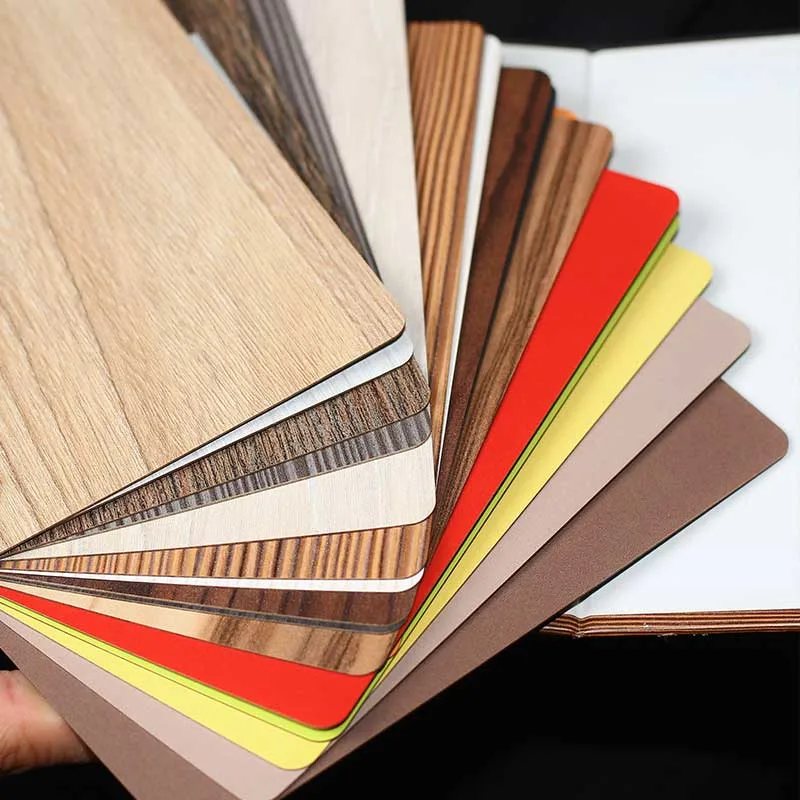
Demande de personnalisation esthétique
Les consommateurs s'attendent à des finitions de surface multiples à des prix abordables.
Structure technique des panneaux de placage en mélamine
Système de composition de matériaux en couches
A panneau de placard en mélamine est composé de plusieurs couches techniques :
1. couche de substrat centrale
Habituellement MDF ou panneau de particules fournissant la résistance structurelle.
2. Couche de papier décorative
Imprimé avec des motifs de couleur grain de bois, marbre ou uni.
3. Couche de résine mélamine
Une résine thermodurcissable durcissant sous chaleur et pression.
4. Couche de surface protectrice
Assure la résistance aux rayures et la performance de barrière contre l'humidité.
Concept technique : liaison polymère thermodurcissable
La résine mélamine subit un durcissement irréversible pendant la production, formant une surface durcie qui ne peut pas être refondue.
Il en résulte que
- Dureté de surface élevée
- Résistance chimique
- Rétention de couleur stable
Normes internationales pour les panneaux de placage en mélamine
CARB Phase 2 (États-Unis)
Se concentre sur les limites d'émission de formaldéhyde dans les produits en bois composite.
- Limites: ≤0,09 ppm
- Largement requis pour les meubles d'exportation
Norme E1 (Europe)
Exigence d'émission
- ≤0,124 mg/m³ émission de formaldéhyde
Système d'essai ISO 12460
Utilisé pour mesurer le dégagement de formaldéhyde des panneaux à base de bois.
Concept de conformité environnementale
Les fabricants adoptent de plus en plus:
- Adhésifs à faibles émissions
- Résines à base d'eau
- Matières premières écocertifiées
Technologie de fabrication de panneaux de placage en mélamine
-2.jpg)
Processus de laminage à chaud
Aperçu du processus
- Papier décoratif imprégné de résine mélamine
- Collage haute pression + haute température
- Durcissement de surface en couche protectrice rigide
Tableau des paramètres d'ingénierie clés
| Paramètre | Valeur Typique |
|---|---|
| Température de la presse | 160°C20°C |
| Pression | 204 kg/cm² |
| Temps de presse | 200 secondes |
| Densité Gamme | 630750 kg/m³ |
Performance de dureté de surface
Les surfaces de mélamine permettent généralement de :
- Résistance à la rayure : Haute
- Résistance à l'abrasion : Moyenne-Haute
- Résistance à la chaleur : Jusqu'à 140 °C (exposition à court terme)
Panneaux de placard en mélamine Ingénierie des performances
Mécanisme de résistance à l'humidité
La couche de mélamine réduit la pénétration de l'eau en créant une barrière polymère scellée.
Cependant:
- Le panneau central détermine toujours la résistance à l’eau à long terme
- L’étanchéité des bords est essentielle à la durabilité
Système de résistance aux rayures
Explication conceptuelle
La surface de résine forme une couche rigide qui résiste à l'abrasion mécanique de : X, et qui est constituée par un matériau de surface de résine, qui est un matériau de surface, qui est un matériau de surface, qui est un matériau de surface
- Cintres à vêtements
- Ustensiles de cuisine
- Friction d'utilisation quotidienne
Performance de stabilité des couleurs
Les additifs résistants aux UV aident à maintenir l'aspect de surface au fil du temps.
Panneaux de placard en mélamine Applications dans des projets réels
Systèmes de garde-robe résidentiels
Les appartements modernes utilisent des panneaux de mélamine pour :
- Armoires encastrées
- Armoires coulissantes
- Systèmes de stockage modulaires
Étude de cas sur les meubles d’intérieur d
Exemple de projet
Un projet de rénovation d'hôtel 4 étoiles a utilisé des panneaux de mélamine pour :
- Armoires de plus de 200 chambres
- Systèmes de stockage de couloirs
Résultats
- Réduction des coûts 351TP3 T vs bois massif
- Cycles d'installation plus rapides
- Uniformité de conception cohérente
Systèmes de stockage de bureaux commerciaux
Utilisé dans:
- Classeurs
- Murs de stockage des cloisons
- Mobilier de bureau personnalisé
Panneaux de placage en mélamine par rapport aux matériaux alternatifs (comparaison approfondie)
Tableau complet de comparaison technique
| Fonctionnalité | Panneaux de mélamine | MDF | Contre-plaqué | Bois massif |
| Coût | Faible-Moyen | Faible | Moyen | Haut |
| Durabilité | Moyen-élevé | Moyen | Haut | Très haut |
| Résistance à l'humidité | Moyen | Faible | Haut | Moyen |
| Variété Design | Très haut | Moyen | Moyen | Faible |
| Adéquation de production de masse | Excellent | Bien | Bien | Pauvre |
Aperçu clé : avantage en matière d’efficacité industrielle
Les panneaux de mélamine dominent la production de meubles à grande échelle car ils :
- Réduire le temps de fabrication
- Améliorer la cohérence
- Déchets de matériaux inférieurs
Technologie adhésive et environnementale dans les panneaux de placage en mélamine
-3.jpg)
Adhésifs à faible teneur en formaldéhyde
Utilisations modernes de production :
- Adhésifs de qualité E0
- Systèmes à base de résine à base d'eau
- Technologies de réduction urée-formaldéhyde
Tendances de la certification environnementale
Les acheteurs mondiaux exigent de plus en plus
- Sources de bois certifiées FSC
- Conformité CARB
- Systèmes de fabrication ISO 14001
Tendances de conception des panneaux de placard en mélamine
Tendance 1 : Design d'intérieur minimaliste
Les surfaces mates plates dominent les intérieurs modernes.
Tendance 2 : Simulation du bois naturel
L'impression haute définition crée des textures de bois réalistes.
Tendance 3 : Finitions en pierre et en marbre
Utilisé dans les lignes de meubles haut de gamme.
Tendance 4 : Systèmes modulaires intelligents
Panneaux conçus pour :
- Montage facile
- Reconfiguration
- Expédition à plat
Analyse de la structure des coûts Panneaux de placard en mélamine
Répartition des coûts de fabrication
- Panneau de base : 40%
- Résine et revêtement : 20 20%
- Travail : 1015%
- Consommation d'énergie : 1015%
Avantage de coût du cycle de vie
Par rapport au bois massif:
- Coût d'entretien inférieur
- Évolutivité de production supérieure
- Fréquence de remplacement réduite
Analyse des cas d'échec dans le monde réel
Problème commun : gonflement des bords
Cause
Une mauvaise étanchéité des bords permet la pénétration de l'humidité.
Solution
Utilisation:
- Baguage de bord en PVC
- Technologie d'étanchéité laser
Problème commun : Délaminage de surface
Cause
Adhésif de mauvaise qualité ou conditions de pressage inappropriées.
Tendances mondiales de la chaîne d’appro
Tendance 1 : Domination de la fabrication en Asie-Pacifique
La Chine, le Vietnam et la Malaisie sont en tête de la production mondiale.
Tendance 2 : Expansion du mobilier de commerce électronique
La demande de meubles à emballage plat augmente l'utilisation de panneaux en mélamine.
Tendance 3 : Transition matérielle durable
Passer vers:
- Fibres de bois recyclées
- Systèmes à résine à faibles émissions
Cadre de décision de l'acheteur pour les panneaux de placard en mélamine
Étape 1 : Définition de l'
Demandez:
- Usage résidentiel ou commercial ?
- Niveau d'exposition à l'humidité ?
Étape 2 : Sélection du matériau de base
- MDF → rentable
- Panneau de particules → meubles standard
- Contreplaqué → durabilité premium
Étape 3 : Sélection de la finition de surface
- Glossy → luxe moderne
- Matte → design minimaliste
- Texture → aspect naturel
Conclusion
La montée de panneaux de placard en mélamine reflète un changement majeur dans la fabrication mondiale de meubles vers l’efficacité, la modularité et la production durable.
Avec de forts avantages dans:
- Contrôle des coûts
- Flexibilité de conception
- Évolutivité industrielle
- Conformité environnementale
ils sont devenus un matériau de base dans les systèmes intérieurs résidentiels et commerciaux du monde entier.
Alors que les technologies de fabrication intelligente et d'éco-matériaux continuent d'évoluer, les solutions à base de mélamine resteront au cœur de l'avenir de la production mondiale de meubles.
FAQ
Ce qui sont panneaux de placard en mélamine utilisé pour ?
Ils sont largement utilisés dans les armoires, les armoires et les systèmes de meubles modulaires en raison de leur durabilité et de leur flexibilité de conception.
Les panneaux de placard en mélamine sont-ils imper
Ils sont résistants à l'humidité mais pas totalement imperméables L'étanchéité des bords est essentielle.
Combien de temps durent les panneaux de placard en mélamine ?
Généralement 5 ans et 5 ans selon l'environnement d'utilisation.
Les panneaux de mélamine sont-ils sûrs pour une utilisation intérieure
Oui, les panneaux certifiés à faibles émissions sont conformes aux normes CARB et E1.
Les panneaux de mélamine peuvent-ils être personnalisés
Oui, ils prennent en charge une large gamme de couleurs, de textures et de motifs de surface.
Merci d'avoir lu !
Je suis content que vous m'ayez rejoint dans ce voyage Si vous trouviez ce contenu utile ou intéressant, j'aimerais entendre vos pensées.
- Suivez-moi sur Facebook pour des conseils, des mises à jour et des discussions communautaires.
Cliquez ici pour vous connecter - S'abonner à mon YouTube canal de tutoriels, de démonstrations et d'informations pratiques.
Cliquez ici pour vous abonner
N'hésitez pas à partager vos commentaires ou vos questions dans les commentaires ou sur les réseaux sociaux Continuons à apprendre et à grandir ensemble !
.jpg)