Table of Contents
Introduction
Eco board material has become an increasingly important choice in modern interior design and furniture manufacturing. As sustainability and environmental responsibility continue to shape industry standards, eco boards offer a practical alternative to traditional wood-based materials. This guide explains what eco board material is, how it is made, its benefits, applications, and why it is becoming a preferred option for modern interiors.
What Is Eco Board Material?
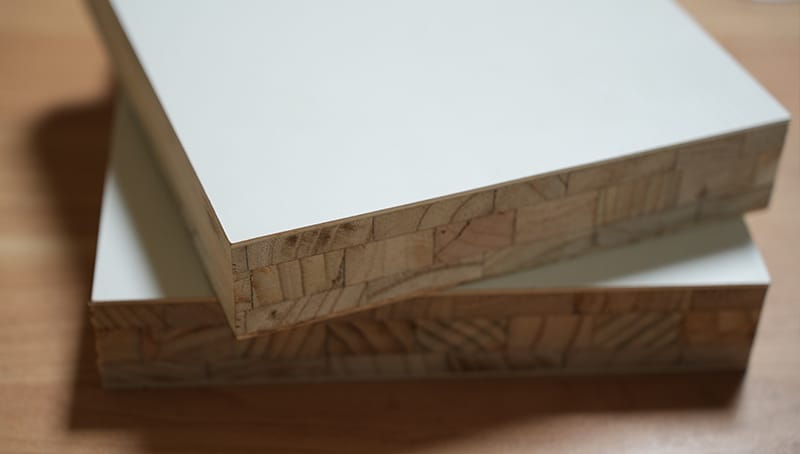
Eco-friendly board refers to engineered panels made from recycled wood fibers, agricultural residues, or sustainably sourced raw materials combined with low-emission adhesives. These boards are designed to minimize environmental impact while maintaining strength, durability, and versatility for interior applications.
Unlike conventional boards, eco-friendly boards focus on reducing formaldehyde emissions and utilizing renewable or recycled inputs. This makes them suitable for environmentally conscious construction and furniture projects.
How Eco Board Material Is Made
Eco-friendly board production typically involves several key steps:
- Raw Material Collection: Recycled wood chips, sawdust, or plant fibers are gathered.
- Processing: Materials are cleaned, refined, and broken down into uniform particles or fibers.
- Binding: Eco-friendly resins or low-VOC adhesives are added.
- Pressing: The mixture is pressed under high temperature and pressure into flat panels.
- Finishing: Boards are cut, sanded, and treated with laminates or coatings if needed.
This process ensures efficient material usage while reducing waste and environmental impact.
Key Features of Eco Board Material
Eco-friendly board offer several important characteristics:
- Low formaldehyde or VOC emissions
- Use of recycled or renewable raw materials
- Stable structure and consistent density
- Compatibility with laminates, veneers, and paints
- Suitable for furniture and interior applications
These features make eco boards a balanced solution between sustainability and performance.
Benefits of Eco Board Material
| Feature | Benefit | Application |
|---|---|---|
| Sustainability | Reduces environmental impact | Green building projects |
| Low Emissions | Improves indoor air quality | Residential interiors |
| Cost Efficiency | More affordable than solid wood | Furniture production |
| Versatility | Easy to cut, shape, and finish | Cabinets, panels, shelving |
| Durability | Stable under normal indoor use | Offices, homes, commercial spaces |
Applications in Modern Interiors
Eco-friendly board is widely used across various interior design and furniture applications:
- Furniture Manufacturing: Cabinets, wardrobes, desks, and storage units
- Wall Panels: Decorative and functional interior wall systems
- Office Interiors: Workstations, partitions, and shelving systems
- Residential Spaces: Bedroom furniture, kitchen cabinets, and modular storage
- Commercial Projects: Retail displays, exhibition stands, and interior fittings
Its adaptability makes it suitable for both large-scale and custom projects.
Eco Board Material vs Traditional Boards
Eco boards differ from traditional wood-based materials in several ways:
- Lower environmental impact due to recycled content
- Reduced harmful emissions for healthier indoor environments
- Improved sustainability compliance for modern construction standards
- Comparable performance in most interior applications
While traditional boards may still offer higher density in some cases, eco boards provide a more sustainable balance of performance and environmental responsibility.
Design Trends Using Eco Board Material
Modern interior design trends are increasingly incorporating eco board materials:
- Minimalist Interiors: Clean finishes with natural textures
- Eco-Friendly Furniture: Sustainable wardrobes, tables, and cabinets
- Modular Design Systems: Flexible and reusable furniture structures
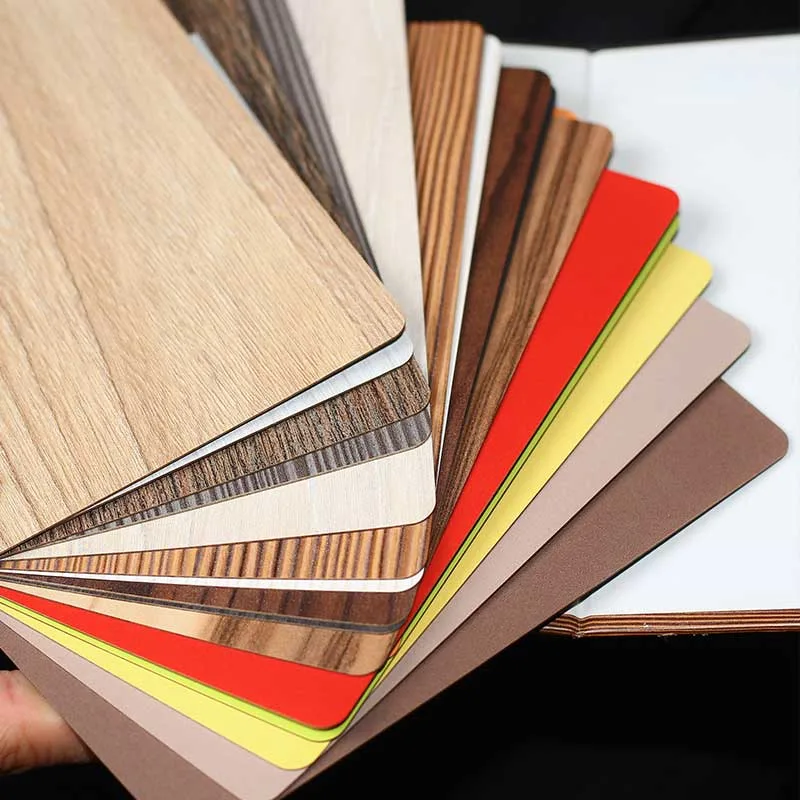
- Natural Finishes: Wood-like laminates and matte surfaces
- Smart Space Design: Lightweight boards for efficient space planning
These trends reflect growing demand for sustainable and functional living environments.
Choosing the Right Eco Board Material

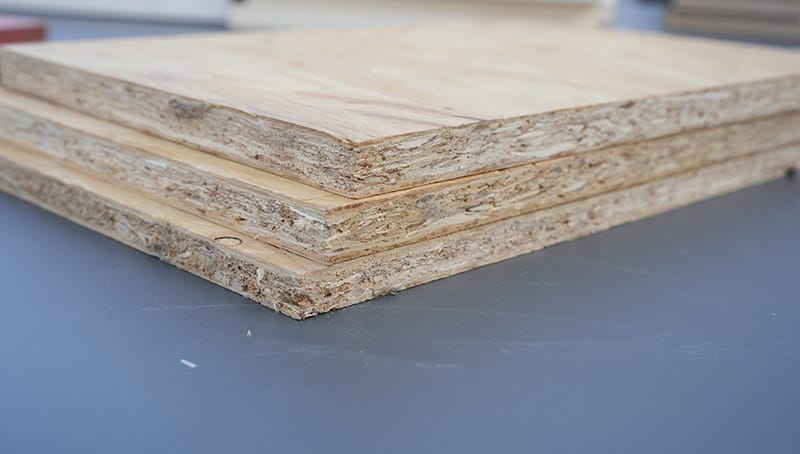
When selecting eco-friendly boards, consider the following factors:
- Emission certification and environmental standards
- Density and structural strength requirements
- Surface finish compatibility (laminate, veneer, paint)
- Moisture resistance for specific environments
- Intended application (furniture, wall panels, or commercial use)
Proper selection ensures long-term performance and design quality.
Conclusion
Eco-friendly board represents a modern shift toward sustainable, efficient, and environmentally responsible interior design. With its low emissions, recycled content, and versatile applications, it has become a key material in furniture manufacturing and interior projects. As sustainability continues to influence design decisions, eco boards are expected to play an even larger role in shaping future interiors.
FAQ
What is eco board material used for?
Eco-friendly board is commonly used in furniture, cabinetry, wall panels, shelving, and interior decoration. It is designed for sustainable construction and modern interior projects that require eco-friendly and cost-effective solutions.
What is eco-friendly board made from?
Eco-friendly board is made from recycled wood fibers, wood chips, or plant-based materials combined with low-emission resins. This helps reduce environmental impact while maintaining strength and usability for interior applications.
Is eco-friendly board durable?
Yes, eco-friendly board is durable for indoor use. It offers stable structure and good load-bearing capacity when used in furniture and interior systems, although moisture-resistant types are recommended for humid environments.
How does eco-friendly board benefit the environment?
Eco board material reduces deforestation by using recycled or renewable resources and produces lower formaldehyde emissions. This improves indoor air quality and supports sustainable building and furniture manufacturing practices.
Where can eco board material be used?
It can be used in homes, offices, retail spaces, and commercial interiors. Common applications include cabinets, desks, wardrobes, wall panels, partitions, and modular furniture systems.
Need Help Choosing the Right Eco Board Material for Your Project?
If you’re unsure which eco board material is best for your furniture, interior design, or construction needs, our experts are here to help. Contact us today for a personalized consultation and ensure your project is sustainable, durable, and cost-effective. Don’t wait—get in touch now to build greener and smarter interiors!
.jpg)