Table of Contents
Introduction
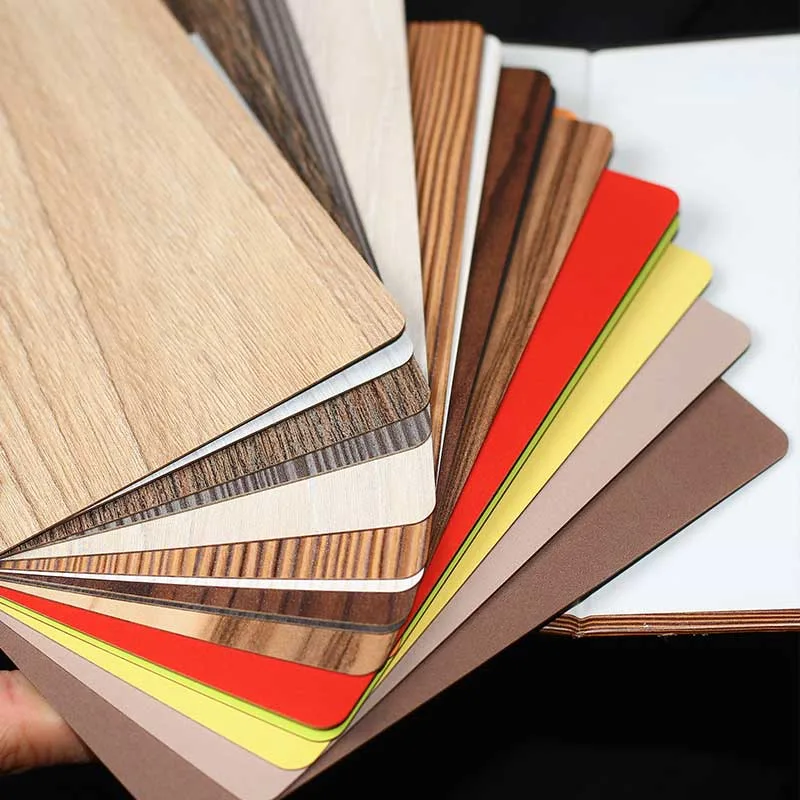
Medium-density fiberboard (MDF) has become a cornerstone material in modern furniture making. Engineered for durability, versatility, and affordability, MDF is widely used in cabinets, shelving, wall panels, and decorative furniture components. This guide explores everything furniture makers need to know about MDF, from its composition and types to practical applications, finishing techniques, and sustainability considerations.
What Is Medium-Density Fiberboard?
MDF is an engineered wood product made by breaking down hardwood or softwood residuals into fine fibers, combining them with resin, and pressing them into panels under high temperature and pressure. Unlike particle board, which uses wood chips, MDF fibers allow for a smooth, uniform surface that is ideal for painting, veneering, and detailed cutting.
Key characteristics of MDF include:
- Smooth, consistent surface with no knots or grain patterns
- High dimensional stability compared to natural wood
- Workability for cutting, drilling, and routing
- Compatibility with a wide range of finishes
According to industry reports, MDF accounts for over 20% of the engineered wood market for furniture production, due to its balance of cost, strength, and aesthetic potential.
Types of Medium-Density Fiberboard
MDF comes in various types to meet different design and performance requirements:
- Standard MDF: Suitable for most furniture and interior applications
- Moisture-Resistant MDF: Designed for kitchens, bathrooms, or humid environments
- Fire-Retardant MDF: Offers increased resistance to fire, often used in public spaces
- High-Density MDF: Stronger and more durable for load-bearing furniture components
- Ultralight MDF: Lightweight panels for easy handling and transport
Advantages of Using MDF in Furniture
| Feature | Benefit | Application |
|---|---|---|
| Smooth Surface | Perfect for painting and veneers | Cabinets, decorative panels |
| Uniform Density | Reduces warping and splitting | Shelves, desks, wardrobes |
| Easy Machining | Can be cut, drilled, or routed | Custom furniture and intricate designs |
| Cost-Effective | Lower price than solid wood | Mass-produced furniture |
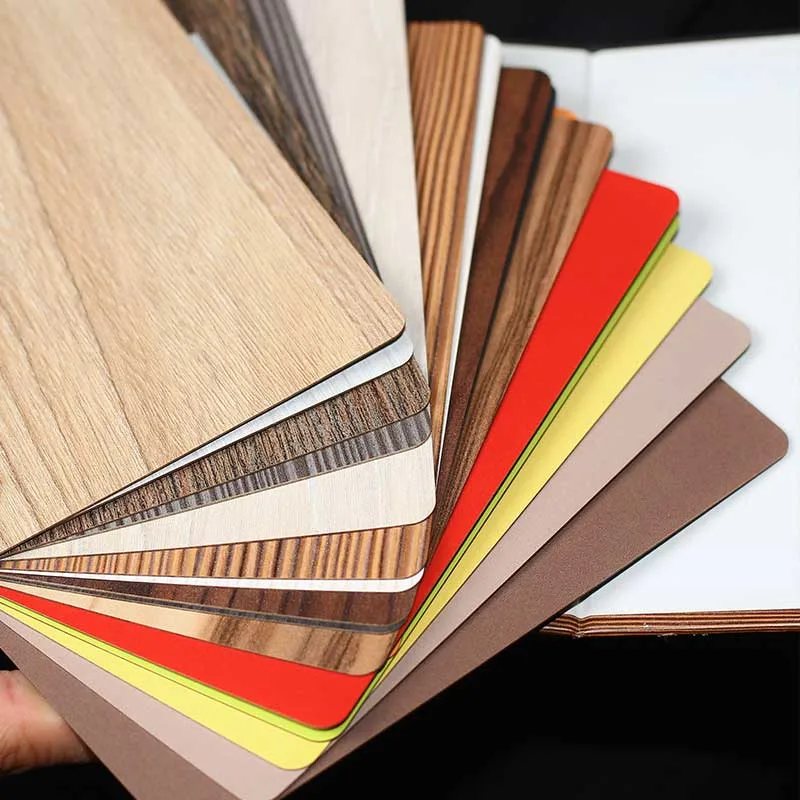
| Versatile Finishes | Laminates, veneers, or paint | Modern, classic, or custom designs |
Popular Applications of MDF
- Cabinetry: MDF provides a smooth base for painted or veneered cabinets.
- Shelving and Storage Units: Consistent strength and easy machining allow for modular designs.
- Wall Panels and Decorative Elements: MDF can be molded, routed, or cut into detailed panels.
- Furniture Components: Used in doors, drawer fronts, table tops, and partitions.
- Custom Designs: Intricate inlays, 3D textures, and laser-cut patterns are achievable on MDF.
Tips for Working with Medium-Density Fiberboard
- Choose the Right Grade: High-density MDF for load-bearing, moisture-resistant MDF for kitchens and bathrooms.
- Cutting and Drilling: Use sharp tools and support panels to avoid chipping or splintering.
- Sealing and Finishing: Apply primer before painting, and use edge banding for exposed edges.
- Handling and Storage: Store flat in a dry area to prevent warping.
- Sustainability: Opt for MDF with low formaldehyde or eco-friendly resins to meet environmental standards.
Sustainability Considerations
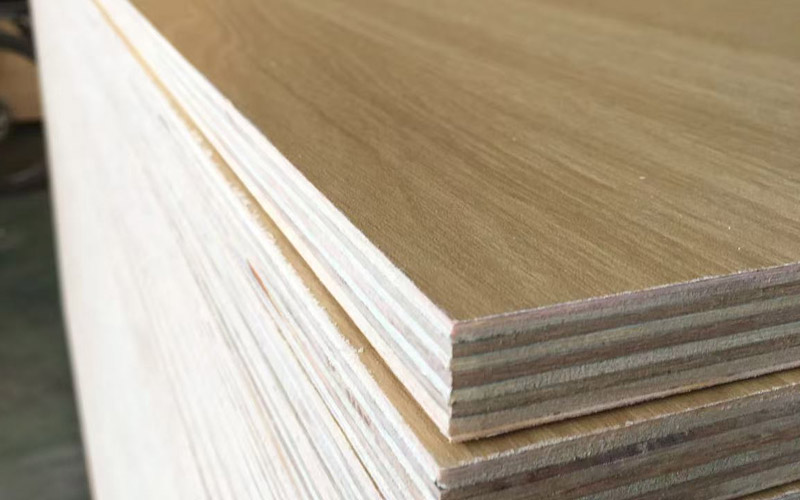

MDF is inherently more sustainable than solid wood because it uses recycled wood fibers and residues. Many modern MDF panels are now manufactured with:
- Low-VOC or formaldehyde-free resins
- Recycled wood content
- Energy-efficient production processes
Choosing sustainable MDF helps reduce environmental impact while maintaining durability and design versatility.
Conclusion
Medium-density fiberboard is a versatile, reliable, and cost-effective material that furniture makers and interior designers increasingly rely on. With its smooth surface, consistent density, and adaptability for finishing and custom designs, MDF is ideal for modern furniture and interior applications. Understanding the types, advantages, and best practices ensures your projects are not only beautiful but durable and sustainable.
FAQ
What is medium-density fiberboard (MDF)?
MDF is an engineered wood product made from wood fibers, resin, and heat-pressing. It offers a smooth, uniform surface ideal for furniture, cabinets, shelving, and decorative panels.
How does MDF differ from particle board?
MDF uses fine wood fibers, giving it a smooth surface and uniform density, whereas particle board uses larger wood chips. MDF is easier to paint, shape, and finish for furniture and interior designs.
Is medium-density fiberboard durable for furniture?
Yes, high-density MDF is durable for shelves, cabinets, and decorative furniture. Moisture-resistant MDF is recommended for kitchens or bathrooms to prevent swelling or warping.
Can MDF be used in humid areas?
Standard MDF is susceptible to moisture. Use moisture-resistant or laminated MDF for kitchens, bathrooms, and basements to ensure durability and prevent warping or swelling.
What are the advantages of MDF in furniture making?
MDF is affordable, smooth, and versatile. It can be painted, veneered, or routed into intricate designs, making it ideal for modern furniture, cabinetry, wall panels, and custom interior applications.
Need Help Choosing the Right Medium-Density Fiberboard for Your Project?
If you’re unsure which MDF type is best for your furniture or interior design, our experts are here to help. Contact us today for a personalized consultation and ensure your project is durable, stylish, and built to last. Don’t wait to elevate your space—get in touch now to transform your interiors!
.jpg)