Table of Contents
Key Takeaways
- Melamine faced particleboard combines a particleboard core with a decorative melamine surface.
- The board core, density, thickness tolerance, surface bonding, and edge quality should be evaluated separately.
- Furniture manufacturers should select panel thickness according to cabinet structure, load, machining, and hardware requirements.
- Surface color is only one purchasing factor; scratch resistance, stain resistance, cleanability, and batch consistency also matter.
- Proper edge banding protects exposed board edges and improves the finished appearance.
- Melamine faced particleboard, MDF, and melamine faced plywood serve different manufacturing needs.
- Samples should be tested using the same cutting, drilling, and edge-banding equipment used in production.
- Wholesale buyers should confirm specifications, packaging, documentation, lead time, and color consistency before ordering.
Introduction
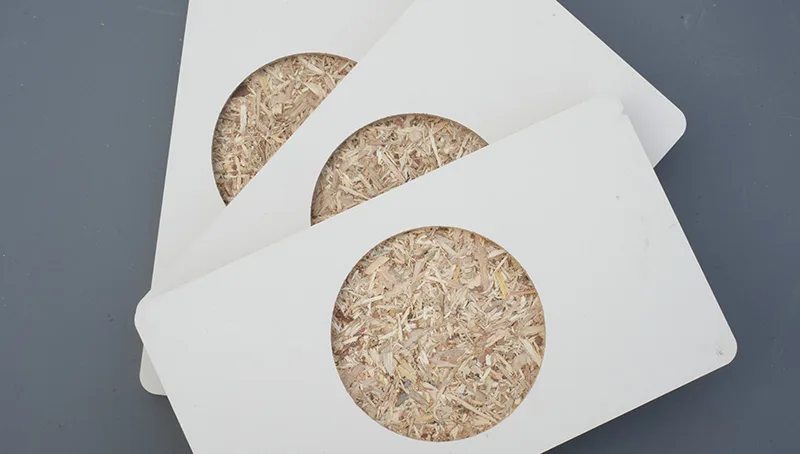
Melamine faced particleboard is widely used in wardrobes, cabinets, shelves, office furniture, retail fixtures, wall panels, and whole-house customization projects.
Its popularity comes from a practical combination of a ready-to-use decorative surface and an economical engineered wood core. Manufacturers can cut, drill, edge-band, and assemble the panels without adding a separate painting or laminating process in many applications.
However, not every melamine board delivers the same result.
Two panels may appear similar in a photograph while differing in core density, thickness tolerance, surface bonding, color stability, edge strength, machining performance, and moisture behavior. These differences can affect production efficiency, furniture quality, customer complaints, and long-term purchasing costs.
This guide explains seven important checks buyers should complete before ordering melamine faced particleboard for furniture or interior projects.
What Is Melamine Faced Particleboard?
Melamine faced particleboard is an engineered wood panel made by bonding decorative melamine-impregnated paper to one or both sides of a particleboard core.
Heat and pressure fuse the decorative layer to the board, creating a finished surface that can reproduce wood grain, solid colors, stone effects, fabric textures, and other decorative patterns.
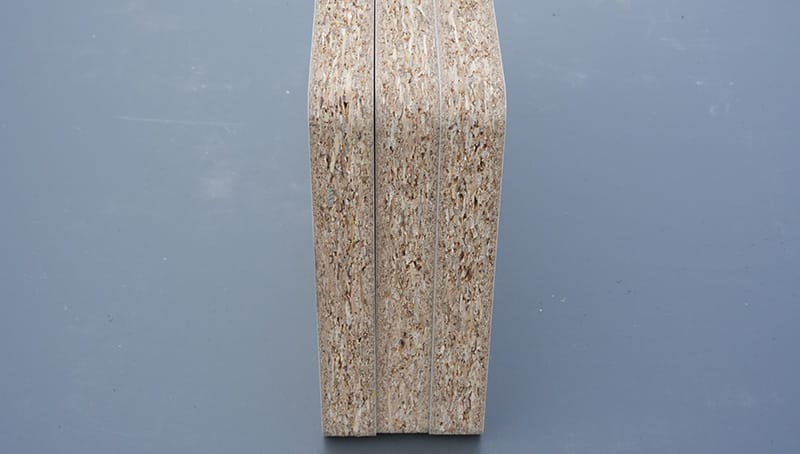
Particleboard Core
The core is manufactured from wood particles combined with resin and pressed into a flat panel. Its density distribution, bonding quality, moisture content, and internal structure influence machining and fastening performance.
A uniform core generally supports more predictable cutting, drilling, and assembly during furniture production.
Melamine Decorative Paper
Melamine paper provides the visible color, pattern, and surface texture. It also helps improve resistance to stains, minor scratches, and everyday cleaning.
The quality of the paper, resin saturation, pressing process, and texture plate all affect the final appearance.
Hot-Press Bonding
During hot pressing, temperature and pressure bond the decorative paper to the particleboard core. Accurate process control helps reduce peeling, bubbles, surface distortion, and inconsistent gloss.
For large furniture programs, stable pressing conditions are essential because panels from different batches must match during assembly.
Single-Sided and Double-Sided Boards
Melamine faced particleboard may be decorated on one or both sides. Double-sided boards are commonly selected for furniture parts where both surfaces can be seen.
Single-sided boards may suit wall linings, backing components, or other applications where only one decorative face is required.
Check 1: Is the Particleboard Core Suitable?
The visible melamine surface may attract the most attention, but the particleboard core determines how the panel behaves during cutting, drilling, fastening, handling, and assembly.
Buyers should therefore inspect more than the exterior pattern.
Core Density
Density affects weight, screw holding, machining, and panel stiffness. A board that is too soft may produce weak edges or loose hardware, while excessive density may increase weight and tool wear.
The right density depends on the application rather than the assumption that a heavier board is always better.
Density Distribution
The surface layers and center of particleboard may have different density characteristics. Well-controlled density distribution supports a smooth face while maintaining a workable internal core.
Uneven density can lead to inconsistent cutting, chipping, or fastening performance.
Internal Bonding
Internal bonding describes how securely the particles are held together. Weak bonding may cause crumbling around screws, damaged edges, or panel failure during machining.
This property cannot be confirmed by surface appearance alone, so buyers should request relevant technical information.
Core Cleanliness
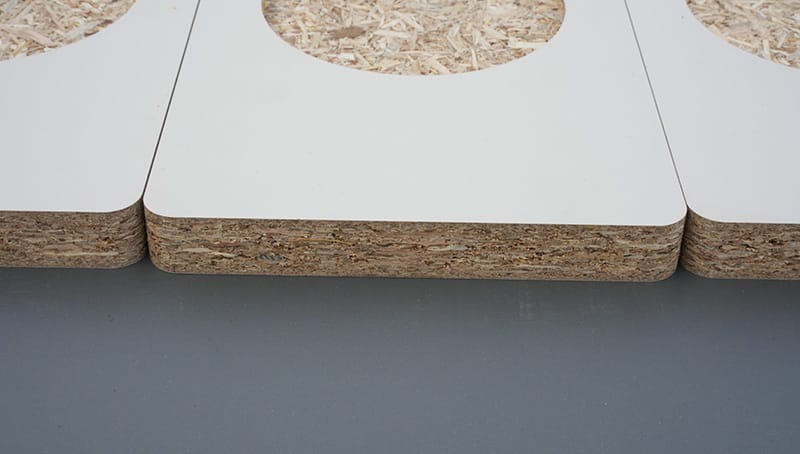
The cut edge should appear reasonably uniform and free from excessive voids, loose material, or foreign contamination.
For furniture components with narrow sections or multiple drilled holes, core consistency becomes especially important.
Practical Sample Test
Cut a sample using the same saw blade and feed speed planned for production. Then drill hardware holes, install screws, and apply edge banding.
This provides more useful purchasing information than simply examining an unprocessed sample.
Check 2: Is the Thickness Appropriate?
Panel thickness influences furniture structure, hardware compatibility, load capacity, weight, machining settings, packaging, and transportation.
Common furniture projects frequently use boards in the 15–25 mm range, although thinner and thicker panels may be required for specialized components.
Thin Panels
Thin boards may be used for drawer bottoms, cabinet backs, decorative linings, lightweight partitions, and non-load-bearing components.
They require suitable support because excessive spans can lead to movement or deflection.
Standard Furniture Panels
Medium-thickness panels are frequently used for wardrobe sides, cabinet bodies, shelves, desks, and storage furniture.
Manufacturers should coordinate thickness with hinges, connectors, screws, grooves, and edge-banding equipment.
Thick Panels
Thicker boards may be selected for worktops, heavy-duty shelves, large display panels, or design features requiring greater visual mass.
However, thicker panels increase weight and may require different hardware or handling equipment.
Thickness Tolerance
Thickness consistency is critical for automated production. Variation between boards can affect CNC machining, drilling depth, edge-banding pressure, cabinet alignment, and final assembly.
Buyers should confirm both nominal thickness and permitted tolerance.
| Typical Thickness | Common Application | Main Consideration |
|---|---|---|
| 6–9 mm | Cabinet backs and decorative lining | Requires continuous or close support |
| 12–15 mm | Lightweight furniture components | Check hardware compatibility |
| 16–18 mm | Cabinets, wardrobes and shelving | Common furniture production range |
| 20–25 mm | Desks, heavy shelves and display furniture | Greater weight and material use |
| Custom thickness | Special furniture and project work | Confirm MOQ and production tolerance |
These examples are general. Final thickness should be selected according to product design, loading, span, and hardware requirements.
Check 3: How Durable Is the Melamine Surface?
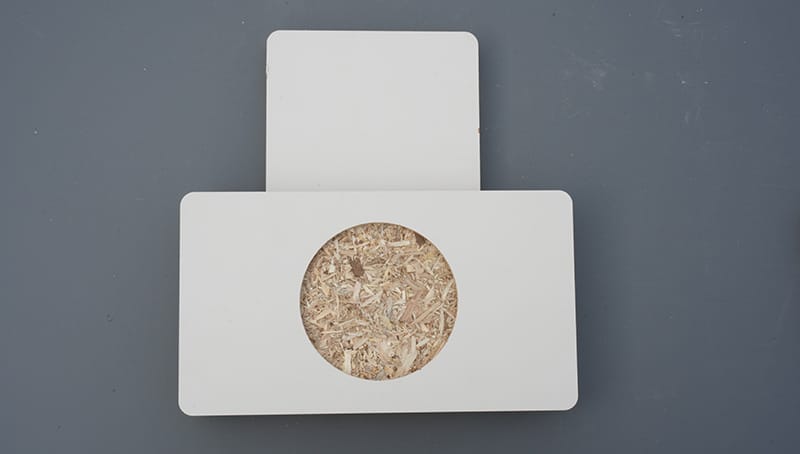
The decorative surface must withstand handling during production and regular use after installation.
Surface quality should be evaluated according to the final application rather than judged only by color.
Scratch Resistance
Furniture surfaces may contact tools, hardware, packaging, dishes, stationery, or cleaning equipment.
A suitable melamine surface can resist everyday wear, but no decorative panel is completely scratch-proof.
Stain Resistance
Kitchen cabinets, office desks, retail fixtures, and children’s furniture may be exposed to food, drinks, grease, ink, or cosmetics.
Buyers should test common substances relevant to the destination market and product type.
Cleanability
The surface should be easy to clean using the maintenance methods expected in the final environment.
Aggressive chemicals or abrasive tools may damage some finishes, so cleaning instructions should be confirmed.
Surface Bonding
Poor bonding may cause lifting, blistering, peeling, or localized separation between the decorative paper and core.
Inspect edges, corners, drilled holes, and cut sections because defects may become more visible after machining.
Gloss and Texture Consistency
Matte, gloss, embossed, wood-grain, and synchronized textures reflect light differently.
Panels used together in one furniture set should have consistent gloss, texture direction, and pattern appearance.
Check 4: Does the Color Match the Project?
Color choice strongly influences the appearance of finished furniture, but international buyers should also consider repeatability and long-term supply.
A popular color is useful only when the supplier can reproduce it consistently across future orders.
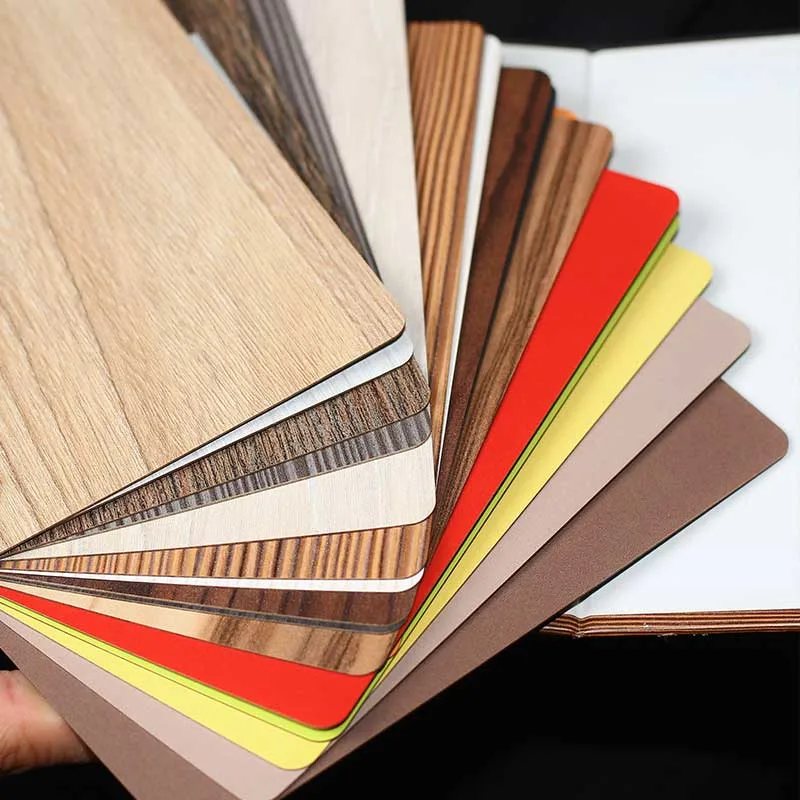
Solid Colors
White, grey, black, beige, green, and other solid colors are common in modern cabinetry and office furniture.
Solid colors can make small differences in gloss or shade more noticeable than complex patterns.
Wood-Grain Patterns
Wood-grain melamine can reproduce oak, walnut, ash, maple, and other visual styles.
Buyers should check pattern scale, grain direction, repeat frequency, texture, and compatibility with edge banding.
Stone and Concrete Effects
Stone, marble, terrazzo, and concrete patterns are increasingly used for retail displays, kitchen furniture, and contemporary interiors.
These patterns can provide visual contrast without using natural stone on every surface.
Synchronized Texture
A synchronized surface aligns the embossed texture with the printed grain pattern. This can create a more realistic visual and tactile effect.
It may require more controlled production and should be approved using a full-size sample when possible.
Batch Color Consistency
Color variation can occur between separate production runs. For large projects, related panels should be ordered together and produced under agreed standards.
Manufacturers should also approve master samples for repeat orders.
Color Approval Process
A useful approval process includes:
- Digital pattern selection
- Physical sample review
- Texture and gloss confirmation
- Edge-band matching
- Production sample approval
- Batch inspection before shipment
DA AO Wood Industry provides melamine faced particleboard in a broad range of colors and patterns for furniture and interior applications.
Check 5: Will the Board Work with Edge Banding?
Particleboard edges are normally covered after cutting because the internal core is not intended to remain exposed in most finished furniture.
Edge banding improves appearance, protects the edge, and supports easier cleaning.
PVC Edge Banding
PVC is commonly used because it is available in many colors, thicknesses, and textures.
It can be matched with solid-color, wood-grain, and patterned melamine surfaces.
ABS Edge Banding
ABS is another thermoplastic edging option used in furniture manufacturing.
Market preferences and environmental requirements may influence whether buyers select PVC or ABS.
Melamine Edge Tape
Melamine edge tape can provide a thin, economical finish for lightly used components.
It may not offer the same impact resistance as thicker thermoplastic edges.
Solid Wood Edging
Solid wood edging can be used when greater edge strength or a natural detail is required.
It may suit desks, shelves, tables, and furniture combining engineered panels with natural wood.
Edge-Band Thickness
Thin edging produces a subtle appearance, while thicker edging provides more impact protection.
The selected thickness should suit the component, design, edge-banding machine, adhesive, and expected wear.
Adhesive Compatibility
Hot-melt adhesives such as EVA or PUR may be used depending on production requirements.
Furniture manufacturers should test adhesion, heat resistance, moisture exposure, and glue-line appearance before mass production.
Why Edge Matching Matters
An edge strip that looks close in a catalog may appear noticeably different beside the actual panel.
Evaluate color, gloss, grain direction, texture, and viewing angle under the intended lighting.
Check 6: Is It Better Than MDF or Plywood?
Melamine faced particleboard, melamine faced MDF, and melamine faced plywood can all be used in furniture and interior projects.
The best material depends on machining, strength, weight, surface requirements, cost control, and final application.
| Panel Type | Main Advantage | Main Limitation | Typical Use |
| Melamine faced particleboard | Efficient furniture production and broad decorative choice | Exposed edges require protection | Wardrobes, cabinets, shelves and desks |
| Melamine faced MDF | Smooth, uniform core for routing and detailed machining | Heavier and sensitive to unsuitable moisture exposure | Decorative doors and routed furniture |
| Melamine faced plywood | Strong layered core and good structural potential | Higher specification and material cost | Premium cabinets and commercial fixtures |
| Plain MDF | Excellent surface for painting and veneering | Requires an additional decorative finish | Painted panels and custom furniture |
| Plain particleboard | Economical furniture substrate | Requires lamination or another surface treatment | Concealed components and laminated panels |
Melamine Faced Particleboard vs MDF
Choose melamine faced particleboard for straightforward panel furniture, wardrobes, cabinet bodies, shelves, and high-volume production.
Choose MDF when routing, profiling, deep engraving, painted edges, or highly detailed machining is required.
DA AO Wood Industry also supplies MDF medium density fiberboard for furniture, decoration, exhibition props, and custom manufacturing.
Melamine Faced Particleboard vs Plywood
Particleboard provides an efficient substrate for standard furniture production and decorative surface systems.
Plywood may be preferred where greater structural capacity, lighter weight at a comparable thickness, improved edge performance, or demanding fixture applications are required.
For premium furniture and commercial interior projects, buyers can compare it with melamine faced plywood.
Melamine Faced Particleboard vs Plain Particleboard
Plain particleboard requires a separate decorative process such as lamination, veneering, painting, or paper application.
Melamine faced particleboard arrives with a finished decorative surface, helping manufacturers reduce secondary processing.
Check 7: Can the Supplier Maintain Consistent Quality?
For importers and furniture factories, supplier stability can be as important as the first sample.
A successful long-term supply relationship depends on specification control, repeatable colors, production capacity, packaging, communication, and documentation.
Production Consistency
Ask how the manufacturer controls core density, panel thickness, moisture, pressing conditions, surface bonding, and finished dimensions.
These factors influence whether the board runs smoothly through automated equipment.
Color Reproduction
The supplier should maintain approved color references for future orders.
For important programs, buyers may provide a master sample that defines the acceptable color, gloss, and texture.
Quality Inspection
Inspection should cover dimensions, thickness, surface defects, edge condition, warping, color, packaging, and quantity.
Additional tests may be required according to the destination market or project specification.
Manufacturing Capacity
Large furniture manufacturers and distributors need stable supply over multiple orders.
Ask about standard production schedules, seasonal lead times, available press capacity, and handling of repeat programs.
Export Packaging
Panels should be protected from moisture, impact, dirt, and movement during transport.
Packaging may include pallets, protective sheets, corner guards, waterproof wrapping, straps, and clear product labels.
Documentation
Depending on the destination, buyers may require:
- Commercial invoice
- Packing list
- Certificate of origin
- Test reports
- Emission documentation
- Chain-of-custody certification
- Product labels
- Shipping documents
- Customs-related paperwork
All mandatory documents should be discussed before confirming the order.
Where Is Melamine Faced Particleboard Used?
Kitchen Cabinets
The panel is widely used for cabinet bodies, shelves, side panels, and selected doors.
Buyers should choose a suitable surface and protect all exposed edges from moisture.
Wardrobes
Melamine particle board provides an efficient solution for wardrobe sides, shelves, dividers, drawers, and interior panels.
Matching colors can be used throughout a whole-house furniture collection.
Office Furniture
Desks, storage cabinets, meeting tables, workstations, and bookshelves frequently use melamine panels.
Scratch resistance, cleanability, and consistent supply are important for commercial projects.
Retail Fixtures
Retail furniture must combine visual impact with repeated cleaning and daily handling.
Wood grains, solid colors, stone patterns, and customized textures help coordinate fixtures with store branding.
Hotel Furniture
Wardrobes, desks, luggage units, bedside tables, and decorative wall components may use melamine faced particleboard.
Project buyers should confirm fire, emission, durability, and documentation requirements before ordering.
School and Institutional Furniture
Desks, cabinets, shelving, and storage systems require durable surfaces and easy maintenance.
Applicable safety and emission standards should be clearly specified.
Residential Storage
Bookcases, shoe cabinets, television units, laundry storage, and modular furniture can use melamine panels.
The wide decorative selection supports modern, traditional, and minimalist interiors.
Wall Panels
Melamine boards may be installed as decorative interior wall surfaces where the substrate, fixing method, joint details, and fire requirements are suitable.
Large wall projects require careful color and pattern alignment.
How Is Melamine Faced Particleboard Processed?
Panel Cutting
A suitable saw blade, machine setting, and feed rate help reduce chipping.
Both the top and bottom decorative surfaces should be protected during cutting.
CNC Machining
CNC equipment can cut component shapes and drill repeatable hardware patterns.
Stable thickness supports accurate machining and efficient assembly.
Drilling
Drill diameter, depth, distance from the edge, and tool condition affect hole quality.
Repeated testing is important when using dowels, cam locks, hinges, and connector screws.
Edge Banding
Freshly cut edges are cleaned and covered using compatible edging and adhesive.
Temperature, pressure, feed speed, and panel cleanliness influence bonding.
Hardware Installation
Particleboard-compatible screws and connectors should be selected according to component loads.
Repeated removal and reinstallation can weaken some fastening points.
Assembly
Panels should be assembled on a clean, level surface to prevent scratching.
Protective packaging may be needed between components during transport.
Common Purchasing Mistakes
Choosing by Surface Pattern Alone
A beautiful color cannot compensate for an inconsistent core, poor bonding, or unstable thickness.
Evaluate decorative and technical quality together.
Ignoring Edge-Band Availability
A panel color may be difficult to use if matching edging is unavailable.
Confirm both materials before finalizing the furniture collection.
Ordering Different Batches for One Project
Separate batches may show small shade or texture differences.
Produce visible components together whenever possible.
Assuming Every Board Is Moisture-Proof
A melamine surface can improve resistance to everyday spills, but cut edges, drilled holes, and damaged areas remain vulnerable.
The product should not be described as completely waterproof unless supported by a specific tested system.
Using the Wrong Hardware
Standard wood screws may not provide the best result in particleboard.
Select hardware designed for engineered wood panels and verify load performance.
Skipping Machining Tests
A visual sample does not show how the board performs on production equipment.
Cut, drill, edge-band, and assemble samples before ordering a large quantity.
Comparing Only the Unit Price
Low-cost panels may create additional waste, machine adjustment, rework, damaged furniture, or customer complaints.
Compare the usable yield and production result, not only the price per sheet.
Questions to Ask a Melamine Board Supplier
What Is the Core Density?
Request the target density range and confirm whether it is suitable for the intended furniture components.
Different applications may require different board structures.
What Thicknesses Are Available?
Ask about standard and custom thicknesses, tolerances, minimum order quantities, and lead times.
Confirm whether all selected colors are available in the same thickness range.
How Many Colors Can You Supply?
A wide color range is useful, but availability and repeatability matter more than the total number in a catalog.
Ask which patterns are standard stock items and which require custom production.
Can You Match an Existing Sample?
Suppliers may be able to match a physical panel, paper sample, color code, or project reference.
Color matching should be approved under agreed lighting conditions.
Are Matching Edge Bands Available?
Confirm edge-band material, color, texture, thickness, width, and minimum quantity.
A coordinated surface-and-edge package simplifies production planning.
What Is the Minimum Order Quantity?
MOQ may depend on color, texture, thickness, panel size, and whether the design is standard or customized.
Mixed-color container options should also be discussed.
Can You Provide Samples?
Samples should represent the proposed core, thickness, surface paper, color, and texture.
For production testing, a full panel may be more useful than a small decorative piece.
Which Reports Are Available?
Ask for emission, physical performance, sourcing, and other documentation required by the destination market.
Confirm that each report covers the exact product being quoted.
How Is the Product Packed?
Discuss pallet design, protective panels, wrapping, straps, labels, corner guards, and container loading.
Packaging should match the transport route and unloading method.
Wholesale Buyer Checklist
Before confirming an order, record the following information:
- Product name
- Particleboard core specification
- Panel density
- Length and width
- Thickness
- Thickness tolerance
- Single-sided or double-sided decoration
- Color or pattern code
- Surface texture
- Gloss level
- Edge-band color
- Intended application
- Required emission level
- Certification requirements
- Quantity by color
- Minimum order quantity
- Sample approval
- Batch color tolerance
- Packaging method
- Destination port
- Shipping term
- Production lead time
- Inspection standard
- Required documents
A complete specification reduces quotation errors and supports more stable repeat purchasing.
Conclusion
Melamine faced particleboard is a practical material for furniture manufacturers, interior contractors, distributors, and whole-house customization suppliers.
Its value comes from combining a ready-to-use decorative surface with a stable, production-friendly particleboard core. However, buyers should not select panels only by looking at colors or comparing unit prices.
The most important checks include core density, internal bonding, thickness tolerance, surface durability, color consistency, edge-band compatibility, machining performance, and supplier quality control.
Before placing a wholesale order, test representative samples using actual production equipment. Confirm the full specification, approve the color and texture, verify matching edge bands, and agree on packaging and inspection requirements.
DA AO Wood Industry supplies melamine faced particleboard for cabinetry, wardrobes, furniture, commercial interiors, and customization projects. Buyers can also compare MDF, plywood, OSB, eco-friendly board, and solid wood products through the company’s wooden panel product range.
FAQ
What is melamine faced particleboard?
Melamine faced particleboard is a particleboard panel covered with decorative melamine-impregnated paper.
The paper is bonded under heat and pressure to create a finished surface suitable for furniture and interior applications.
Is melamine particle board the same as MFC?
MFC commonly means melamine faced chipboard. In many markets, chipboard and particleboard refer to the same general type of engineered wood core.
Terminology can vary, so buyers should confirm the actual panel specification.
Is melamine faced particleboard waterproof?
The melamine surface can resist minor spills and routine cleaning, but the complete panel should not automatically be considered waterproof.
Cut edges, drilled holes, joints, and damaged surfaces require protection from moisture.
Is melamine particleboard good for kitchen cabinets?
It is commonly used for kitchen cabinet bodies, shelves, and storage components.
Appropriate edge sealing, hardware, installation, and moisture control are important near sinks and appliances.
Can melamine faced particleboard be painted?
Painting directly over melamine can be difficult because the surface is smooth and non-porous.
It normally requires cleaning, surface preparation, a compatible bonding primer, and suitable paint.
Can melamine faced particleboard be cut?
Yes. It can be cut using suitable panel saws, CNC machines, or woodworking equipment.
Correct blades and machine settings help reduce surface chipping.
Why does melamine board chip during cutting?
Chipping may result from a worn or unsuitable blade, incorrect blade height, excessive feed speed, poor machine alignment, or weak surface bonding.
A scoring blade can improve results in panel-saw production.
Does melamine board need edge banding?
Most visible furniture edges should be covered with PVC, ABS, melamine tape, veneer, or solid wood edging.
Edge banding improves appearance and helps protect the core.
Which thickness is best for wardrobes?
Panels around 16–18 mm are commonly considered for wardrobe bodies, but the correct thickness depends on component dimensions, shelf span, hardware, and design.
Furniture engineers should confirm the final specification.
Is MDF better than melamine particle board?
MDF is often better for routing, profiling, and painted details. Melamine particleboard is efficient for straight panel furniture with a ready-finished surface.
Neither is best for every application.
Is melamine faced plywood stronger?
Melamine faced plywood may provide greater structural capacity and improved edge performance, depending on its construction and grade.
It is often considered for premium or demanding furniture applications.
Can melamine boards be used for office furniture?
Yes. They are widely used for desks, cabinets, bookshelves, workstations, meeting tables, and storage furniture.
The surface should be selected according to expected wear and cleaning frequency.
How should melamine particleboard be stored?
Store panels flat, dry, supported, and protected from direct sunlight, rain, and ground moisture.
Allow the panels to acclimate to the production environment when necessary.
How can I check melamine board quality?
Inspect panel dimensions, thickness, flatness, core uniformity, surface bonding, color, texture, cut-edge quality, drilling performance, and edge-band adhesion.
Request technical documents and test representative samples before mass production.
Can suppliers produce custom colors?
Many manufacturers offer custom colors or patterns when the order meets production requirements.
Buyers should provide a physical reference or clearly defined color standard and approve a production sample.
How do I avoid color differences between batches?
Order related components together, retain approved master samples, record production codes, and define acceptable color tolerance.
Lighting conditions should also be consistent during inspection.
What information should I send when requesting a quotation?
Provide the panel size, thickness, core requirements, color, texture, quantity, application, edge-band needs, certification, packaging, destination, and required delivery date.
Complete inquiries receive more accurate quotations.
Where can I buy melamine faced particleboard in bulk?
Furniture manufacturers, importers, wholesalers, and project buyers can purchase panels directly from a qualified wood-panel manufacturer.
DA AO Wood Industry provides product specifications, color options, samples, customization, and export support through its melamine faced particleboard product page.
Thank you for reading!
I’m glad you joined me on this journey. If you found this content useful or interesting, I would love to hear your thoughts.
- Follow me on Facebook for tips, updates, and community discussions.
Click here to connect - Subscribe to my YouTube channel for tutorials, demonstrations, and practical insights.
Click here to subscribe
Feel free to share your feedback or questions in the comments or on social media. Let’s keep learning and growing together!
.jpg)