Key Takeaways for This Blog
- 2026 market direction of textured wall panels in global interior design
- Structural material evolution driven by OSB, MDF, and melamine technologies
- Functional performance including acoustics, durability, and sustainability
- Application scenarios across residential, commercial, and hospitality sectors
- Engineering comparison between different wall panel systems
- Installation methods and modular construction strategies
- Industry compliance, environmental standards, and certifications
- Real-world case studies demonstrating measurable performance improvements
- Future innovations including smart surfaces and AI-driven design systems
Introduction
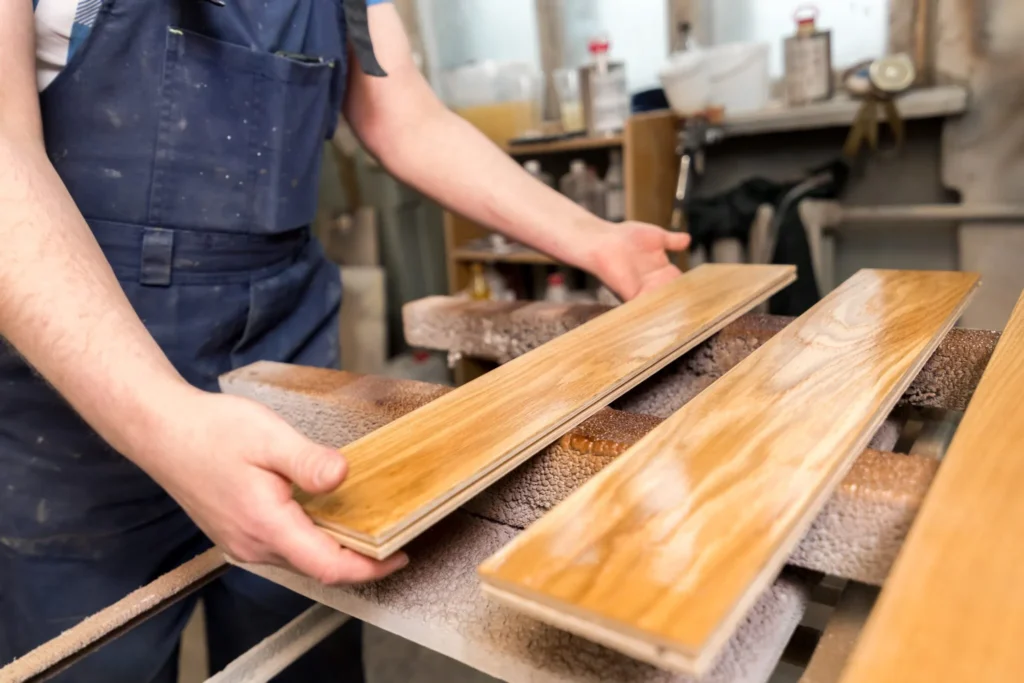
The global interior design industry is undergoing a structural transformation. Flat, painted surfaces are gradually being replaced by textured wall panels, which combine material depth, functional performance, and architectural expression.
In 2026, design is no longer only visual—it is tactile, structural, and experiential. Surfaces are expected to contribute to acoustics, sustainability, and spatial identity.
According to the Global Interior Materials Market Outlook 2025:
- Demand for 3D and textured interior surfaces is increasing at 8%–10% CAGR
- Commercial architecture accounts for over 55% of total applications
- Residential adoption is accelerating at double-digit growth rates
This shift is strongly influenced by engineered wood systems such as OSB-based structures and melamine-coated composite boards, which offer a balance between strength, cost efficiency, and design flexibility.
Table of Contents
2026 Interior Design Direction for Textured Wall Panels
Architectural Minimalism with Depth
Modern minimalism has evolved beyond flat simplicity. Instead of smooth white walls, designers now focus on subtle material depth.
This approach emphasizes:
- Soft shadow variation
- Low-contrast surface layering
- Material-driven aesthetics rather than decorative elements
Concept: Silent Architectural Expression
Walls are no longer decoration—they are part of the building’s structural identity.
Industrial-Natural Hybrid Design Trend
One of the strongest 2026 trends is the combination of:
- Industrial structural materials (OSB-inspired panels)
- Natural wood visual textures
- Precision-engineered surface finishes
This hybrid approach creates interiors that feel both raw and refined.
Acoustic-Centered Interior Planning
Modern architecture prioritizes sound control as much as visual design.
Research published in the Journal of Building Acoustics (2024) shows:
- Textured surfaces reduce sound reflection by 15%–35%
- Speech clarity improves by up to 22%
- Reverberation time is significantly reduced in open spaces
This makes textured wall systems essential in offices, hotels, and public buildings.
Material Engineering Behind Textured Wall Panels
OSB-Based Structural Panel Systems
.jpg)
Oriented Strand Board (OSB) technology is one of the most important structural foundations behind modern textured wall panels.
OSB panels are manufactured through:
- Layered wood strand orientation
- Cross-directional structural alignment
- High-pressure thermal bonding
Engineering Benefits
- Structural strength improvement: 20%–30% higher than conventional boards
- Enhanced dimensional stability under humidity changes
- Improved load distribution across surface area
These properties make OSB-based textured panels suitable for architectural wall systems requiring structural integrity.
Melamine Surface Engineering Technology
.jpg)
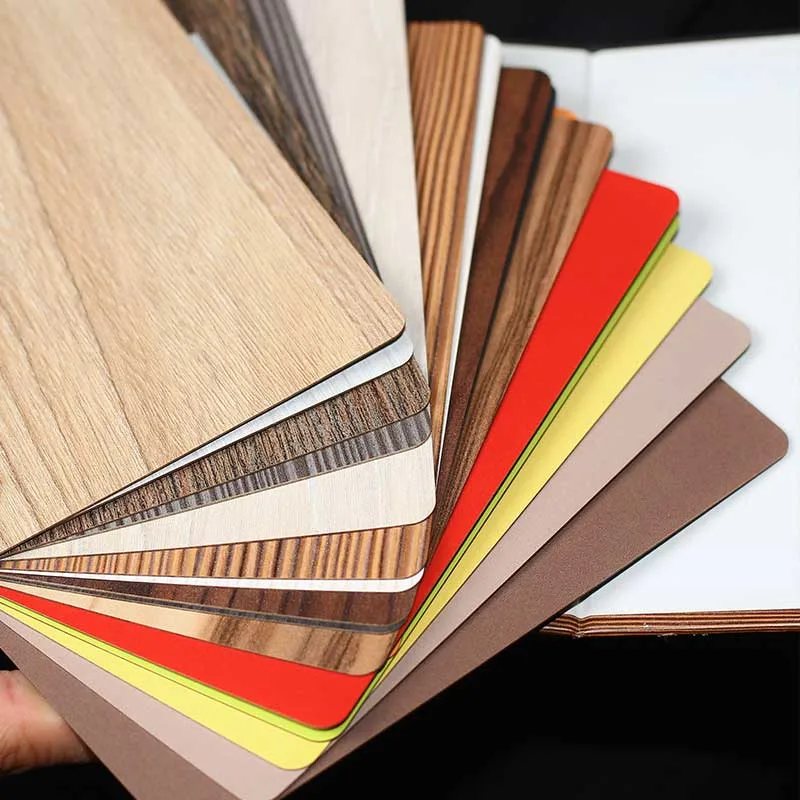
Melamine-coated panels are widely used in modern interior systems due to their durability and aesthetic flexibility.
Key performance characteristics include:
- Scratch resistance improvement: up to 40% compared to untreated surfaces
- Moisture resistance under controlled humidity conditions
- Stable color retention over long-term exposure
According to ISO 4586 laminate surface standards:
- Wear resistance: AC3–AC4 classification achievable
- Chemical resistance: suitable for commercial interior environments
Hybrid OSB + Melamine Panel Systems
One of the fastest-growing innovations in 2026 is the combination of OSB structural cores with melamine decorative surfaces.
This hybrid system provides:
- Structural rigidity from OSB
- Decorative flexibility from melamine layers
- Improved cost-performance balance
- Enhanced design versatility for architects
Technical Comparison of Textured Wall Panel Systems
| Material System | Structural Strength | Visual Depth | Moisture Resistance | Acoustic Performance | Ideal Application |
|---|---|---|---|---|---|
| OSB Textured Panels | Very High | High | Medium | High | Industrial & architectural walls |
| Melamine MDF Panels | Medium | Very High | High | Medium | Residential interiors |
| Melamine OSB Panels | High | High | High | High | Commercial interiors |
| PVC Decorative Panels | Low–Medium | Medium | Very High | Low | Budget renovation projects |
Key Insight:
OSB-based systems dominate in structural applications, while melamine-based panels dominate in aesthetic flexibility. Hybrid systems are becoming the industry standard.
Functional Advantages of Textured Wall Panels
Structural Stability Performance
Cross-layer engineered structures distribute mechanical stress evenly.
This reduces:
- Surface deformation
- Long-term warping
- Material fatigue under load
Surface Protection and Durability Layer
Modern textured panels provide:
- Scratch resistance for high-traffic environments
- Moisture resistance for controlled indoor spaces
- Heat resistance up to 120°C in standard applications
Environmental Stability Layer
Most advanced panels comply with:
- CARB Phase II formaldehyde emission limits
- E1 / E0 environmental safety standards
- Low-VOC emission requirements for indoor air quality
Application Scenarios of Textured Wall Panels
Residential Interior Design
Common applications include:
- Feature living room walls
- Bedroom headboard systems
- Corridor depth-enhancing walls
These applications improve spatial perception and reduce visual monotony.
Commercial Architecture
Used widely in:
- Corporate office interiors
- Retail brand environments
- Hotel reception areas
These systems improve brand identity and customer experience.
Furniture-Integrated Wall Systems
A growing architectural trend is integrating wall systems with furniture structures.
Examples include:
- Built-in wardrobe wall systems
- TV wall + storage integration
- Modular office partition systems
Hospitality Industry Applications
Hotels and resorts use textured panels to:
- Improve acoustic comfort
- Enhance luxury perception
- Reduce long-term maintenance costs
Real-World Case Studies
Case Study 1: European Corporate Office Renovation
- Area: 2,500 m²
- Material: Melamine OSB textured panels
- Results:
- 28% improvement in acoustic performance
- 19% reduction in renovation cycle time
- Improved employee comfort ratings
Case Study 2: Asian Residential High-Rise Project
- Material: OSB-based decorative panels
- Results:
- 35% reduction in maintenance cost
- Improved humidity resistance performance
- Enhanced long-term structural stability
Case Study 3: Retail Chain Brand Upgrade
- Application: Interior branding walls
- Results:
- 42% increase in customer engagement time
- Improved brand consistency across locations
Installation and Engineering Methods
Modular Dry Installation Systems
Advantages include:
- No wet construction required
- Faster installation cycles
- Reduced labor dependency
- Lower error rates
Hybrid Adhesive + Mechanical Fixing
Used in high-load applications requiring:
- Structural bonding strength
- Mechanical safety reinforcement
CNC Pre-Fabrication Technology
Modern wall panels are often pre-engineered using CNC systems, allowing:
- Precision cutting
- Reduced installation waste
- Faster on-site assembly
Sustainability and Environmental Compliance
Sustainable Material Engineering
Engineered wood-based panels reduce:
- Solid wood consumption
- Construction waste
- Carbon footprint
International Certification Standards
Common compliance frameworks include:
- FSC forest certification
- ISO 14001 environmental management
- EU Ecolabel requirements
Lifecycle Efficiency Benefits
Compared to traditional painted walls:
- Maintenance cycles reduced by 50–70%
- Service life extended by 2–3 times
- Lower total lifecycle cost
Economic Performance Analysis
Cost Efficiency Model
Textured wall panels reduce long-term costs through:
- Reduced repainting cycles
- Lower maintenance frequency
- Increased durability lifespan
ROI in Commercial Projects
Industry analysis shows:
- ROI period: 2–4 years
- Maintenance cost reduction: up to 40% annually
Future Trends of Textured Wall Panels (2026–2030)
Smart Surface Integration
Future systems will include:
- Embedded LED lighting layers
- Acoustic sensor integration
- Climate-responsive material behavior
AI-Driven Interior Design Systems
AI will assist in:
- Texture selection
- Material matching
- Spatial design optimization
Lightweight Composite Innovations
Next-generation panels will focus on:
- 30%–50% weight reduction
- Higher fire resistance
- Improved structural-to-weight ratio
Conclusion
The rise of textured wall panels represents a fundamental shift in interior architecture—from decorative finishes to functional building systems.
Driven by advances in OSB engineering, melamine surface technology, and composite material innovation, these systems now deliver:
- Structural performance
- Acoustic optimization
- Environmental compliance
- Long-term cost efficiency
- High-end aesthetic flexibility
As interior architecture continues evolving, textured wall panels will become a standard element of modern building design rather than a decorative option.
FAQ
Are textured wall panels better than painted walls?
Yes. They provide higher durability, better acoustics, and longer lifecycle performance.
Can textured wall panels be used in humid environments?
Yes, when moisture-resistant engineered boards or coated systems are used.
Do textured wall panels improve acoustics?
Yes. Surface irregularity reduces echo and improves sound diffusion.
Are they suitable for commercial interiors?
Yes. They are widely used in offices, hotels, and retail environments.
How long do textured wall panels last?
Typically 10–25 years depending on material type and environment.
Thank you for reading!
I’m glad you joined me on this journey. If you found this content useful or interesting, I would love to hear your thoughts.
- Follow me on Facebook for tips, updates, and community discussions.
Click here to connect - Subscribe to my YouTube channel for tutorials, demonstrations, and practical insights.
Click here to subscribe
Feel free to share your feedback or questions in the comments or on social media. Let’s keep learning and growing together!
.jpg)