Table of Contents
Solid Wood Board Suppliers: Writing an Appearance Grade
Solid wood board suppliers should be evaluated against a defined production task. For timber panel purchasing, the priority is to define visible knots, color range and permissible repairs. That turns a broad material search into a decision about the finished component, the process needed to make it and the evidence required before a repeat order.
This guide focuses on that specific buying situation. The useful next step is to approve a reference set showing acceptable and unacceptable examples. In particular, avoid using premium as an undefined appearance requirement. A clear sample and written specification make it easier to compare solid wood board suppliers offers without relying on a surface photograph or an undefined quality claim.
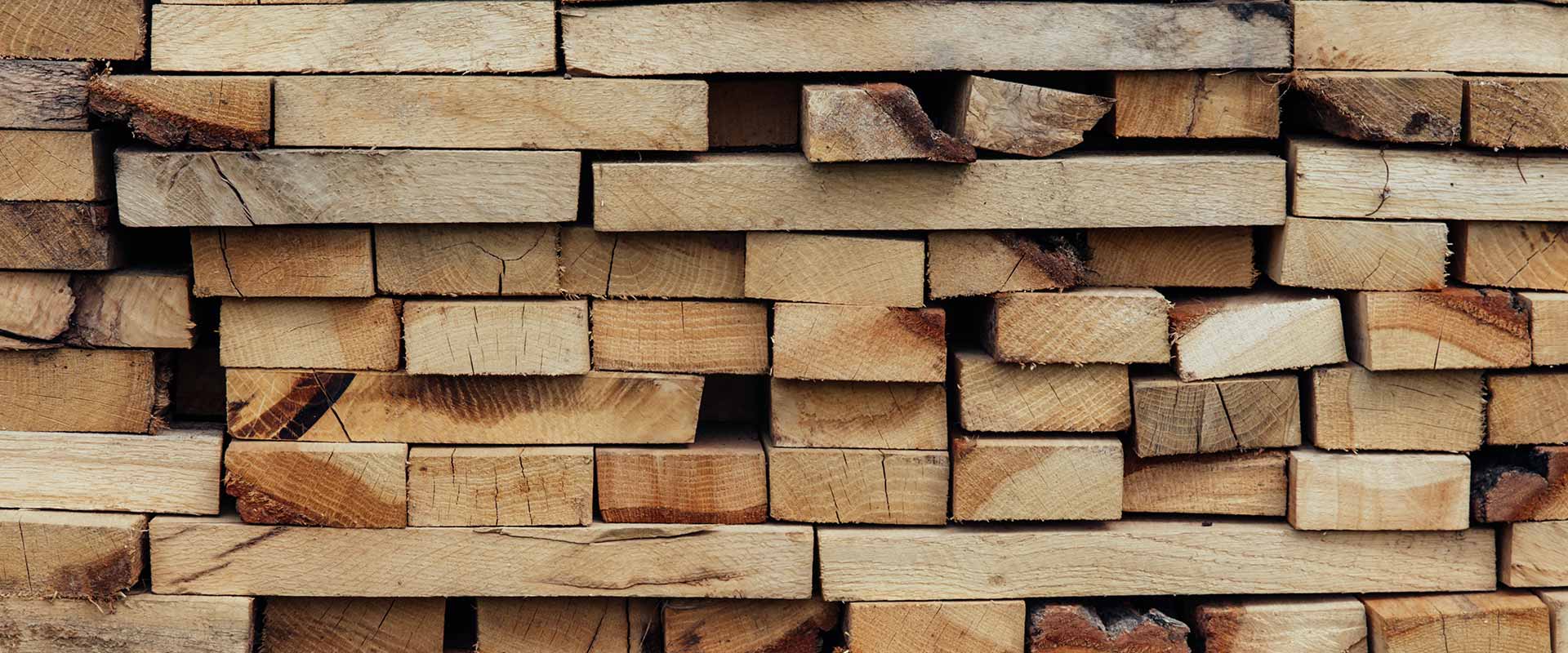
The decision for timber panel purchasing
Begin the solid wood board suppliers evaluation by separating the part requirement from the general product description. The solid wood board suppliers buyer needs to define visible knots, color range and permissible repairs; the workshop needs a repeatable way to produce the approved result. Put those two responsibilities on one trial sheet with the component drawing, material identity and acceptance decision.
For timber panel purchasing, use the final viewing position and the hardest production detail to define acceptance. Record what the supplied solid wood board suppliers sample represents and what it leaves unresolved. If a finish, hardware arrangement or service condition changes, revisit the relevant trial before assuming the original result still applies. The goal is a solid wood board suppliers order the receiving team can inspect and the workshop can reproduce.
Write an RFQ that suppliers can answer consistently
A useful request for quotation describes the intended application, construction, actual dimensions, quantity and delivered condition. For solid wood board suppliers, add the visible faces, exposed edges and required technical evidence. Include drawings where a text description could be interpreted in more than one way, especially for orientation, machining or finished-part dimensions.
Ask each supplier to identify deviations explicitly rather than assume that silence means full agreement. Keep the final written interpretation with the approved sample. When comparing solid wood board suppliers, normalize the quotation basis, packing and delivery scope before ranking offers. This turns the RFQ into a production document that the workshop and receiving team can also use, reducing the chance that purchasing and manufacturing approve different versions of the same item.
Name the construction behind the solid-wood description
A solid-wood product description may refer to an all-solid panel, jointed strips or a veneered assembly with other internal materials. Those constructions are not interchangeable. For solid wood board suppliers, ask for a clear layer or component description and inspect a cut sample. Identify the species or permitted species range without inferring it from a photograph.
Keep the face appearance and internal construction in the same approval record. If a finished door includes an engineered core, describe it accurately rather than calling every layer solid timber. The purchasing specification for solid wood board suppliers should match the delivered component, its intended indoor use and the machining required. Clear terminology protects both product descriptions and the workshop's assumptions about grain movement, edges and hardware.

Make the sample represent the commercial order
A useful sample contains the feature that will drive the buying decision. For solid wood board suppliers, that may be a finished corner, routed profile, connector joint, full-size door or a group of adjacent visible panels. Request material representative of normal production and label it with the construction and source lot.
Run the sample through the same equipment and finish process planned for the order. Record accepted results and any extra labor needed to obtain them. For solid wood board suppliers, a pilot quantity can expose repeatability questions that one hand-prepared swatch cannot. Retain a signed control sample after approval and clarify which changes require a new trial so the initial decision remains useful during subsequent production and repeat purchasing.
Approve the coating on representative wood
Species, grain and surface preparation influence how wood appears after finishing. A stain approved on one sample may look different on a board with another grain pattern or sanding history. For solid wood board suppliers, make the finish trial on representative material from the intended construction and include the full coating sequence.
Examine edges, end grain and permitted knots as well as the broad face. Review the result under the lighting expected in use. With solid wood board suppliers, retain the finished reference and record the surface preparation so the workshop can repeat it. A clear finish is not visually neutral in every situation, and a color name alone cannot define the finished appearance across naturally variable boards.
Match technical evidence to the supplied construction
A report is useful only when its product identity and test conditions match the decision being made. For solid wood board suppliers, check the named material, thickness, facing and any installation conditions relevant to the project. Separate a general company statement from evidence for the exact supplied construction.
Ask the responsible project specifier to confirm applicability where a formal classification or assembly performance is required. Keep the evidence revision with the purchasing approval and request clarification when details differ. With solid wood board suppliers, avoid converting a material color, generic certificate or familiar trade name into an unsupported claim. Clear records let the buyer describe the product accurately and identify when a changed construction needs a new review before it reaches production.
Support long panels throughout storage and transport
Long wood components can be damaged by uneven support, rubbing or impact at the ends. For solid wood board suppliers, align pack supports and protect edges according to the supplied construction. Keep the material away from uncontrolled moisture sources and preserve the labels needed to identify the approved lot.
Inspect panels from more than one position in the pack, including lower boards that may experience different support or handling conditions. Separate damage caused during transport from permitted natural features. A practical receiving check for solid wood board suppliers records the pack condition before unpacking and the board condition afterward. This gives the supplier and carrier useful evidence if a claim is needed, while keeping undamaged material available for production.
Compare the cost of an accepted finished part
Use one fixed drawing and production route to compare quotations. For solid wood board suppliers, include material consumption, cutting losses, edging, machining, finishing and expected handling work. Keep the supplier's quote separate from assumed downstream costs, and use trial results where available instead of inventing a rejection allowance.
An illustrative comparison can express cost per accepted part as total trial material and conversion cost divided by accepted trial quantity. Identify whether packing and freight are included so the result has a clear basis. For solid wood board suppliers, the lowest sheet price may still be attractive, but the decision should survive that complete comparison. Record quotation date and validity and refresh commercial figures before placing the order rather than treating a worked example as a current market price.
Separate useful natural character from defects
Knots, grain variation and color differences can be acceptable appearance features when the purchase agreement allows them. Open joints, damage or dimensions outside the specification are different issues. For solid wood board suppliers, classify observations using the approved reference set and the component's intended viewing face.
Record the board identifier and location of a problem with clear photographs and measurements. Do not reject a whole lot based on an undefined preference, or overlook a joint issue because the face looks attractive. A consistent inspection approach for solid wood board suppliers gives both parties an actionable decision: accept the board, assign it to a permitted hidden use, rework it under an agreed procedure, or hold it for supplier review.
Worked example for timber panel purchasing
Consider a side panel with one visible face, one concealed face and two exposed edges. The RFQ should identify those positions instead of asking for identical premium appearance on every surface. For solid wood board suppliers, add a section showing the finished thickness and mark whether the supplier delivers an edged component or an unprocessed blank. The returned quotation should state any exception. This simple solid wood board suppliers drawing makes it easier to compare offers because each supplier can price the same delivered work, while the receiving team can inspect the locations that actually determine acceptance.
Comparison of three purchasing approaches
| Approach | What it resolves | What remains to check |
|---|---|---|
| Buy from a face sample | Initial color or texture preference | Core, finished detail, component fit and documented use |
| Buy to a written construction | Defined material, dimensions and delivered condition | Whether the workshop can produce the intended finished part |
| Approve a representative finished trial | Construction and processing tested on the relevant component | Commercial-lot consistency and any later material or process changes |
For solid wood board suppliers in timber panel purchasing, the third approach usually provides the clearest evidence for this decision: define visible knots, color range and permissible repairs. It also makes the limits explicit. A finished trial covers its documented construction and conditions; it does not qualify every product sold under the same material name.
A practical trial for this order
Identify the requirement: define visible knots, color range and permissible repairs. Add the drawing revision, intended environment and delivered material construction to the trial record.
Prepare representative solid wood board suppliers samples from the proposed commercial construction. Include both the visible face and the critical machined or assembled detail.
Run the agreed verification: approve a reference set showing acceptable and unacceptable examples. Use the intended equipment, adjacent components and finishing route so the result represents normal production.
Record acceptance and unresolved questions. Specifically check whether the process risks using premium as an undefined appearance requirement. Keep extra repair or finishing labor visible in the cost comparison.
Retain the approved solid wood board suppliers sample and transfer the same specification to the purchase order. Review a substitution or changed process before releasing the affected repeat batch.
For background on wood structure, moisture, composite panels, joints and finishing, consult the USDA Forest Products Laboratory Wood Handbook. This independent technical reference supports material understanding; it is not a certification or test report for any DA AO product.
Discuss the specified construction with DA AO
DA AO lists DA AO door-panel construction options within its panel range. Its wood-panel services describe customization of size, thickness, surface finish and decorative pattern. Send the proposed application and drawing so the available construction can be checked against the requirement before quotation.
For a solid wood board suppliers inquiry about timber panel purchasing, include dimensions, quantity, required finish, exposed edges, hardware or fixing details and the evidence needed for approval. Ask the team to confirm the supplied construction and sample arrangement in writing. Use the inquiry form after the FAQ to request a specification review and a quotation based on the same information.
Frequently asked questions
What is the first check when buying solid wood board suppliers for this application?
For timber panel purchasing, first define visible knots, color range and permissible repairs. Identify the supplied construction and put that requirement in the quotation request so the supplier and workshop evaluate the same finished component.
What sample should I request for solid wood board suppliers?
Request representative commercial material, then approve a reference set showing acceptable and unacceptable examples. Keep the drawing, material identity and process conditions with the result. A sample that omits the critical detail cannot establish whether that detail will work in production.
Which mistake should this solid wood board suppliers order avoid?
Avoid using premium as an undefined appearance requirement. Agree on the intended construction, finished detail and acceptance method before batch processing, then check a representative commercial lot against the retained approval.
Can a supplier substitute another solid wood board suppliers construction?
Review the proposed change against the signed specification and the critical trial. A matching name or finish does not establish equivalent machining, fit or service behavior. Obtain written approval and repeat the affected evaluation where necessary.
What should a solid wood board suppliers quotation include?
Include actual dimensions, quantity, supplied finish, packing and delivery basis, together with the requirements for timber panel purchasing. Identify sample approval and any required technical evidence separately so the commercial offer can be compared consistently.