Key Highlights
- Global melamine panel board pricing is influenced by resin, MDF/HDF substrate costs, and energy cycles
- 2026 shows moderate upward pressure with regional volatility across Asia, Europe, and North America
- Industrial demand from furniture and construction sectors remains the core price driver
- Price differences are strongly impacted by board grade, finishing technology, and environmental compliance
- Comparison with MDF, plywood, and particle board shows clear cost-performance segmentation
- Procurement strategy and supply chain integration play a major role in final pricing outcomes
- Market reports indicate melamine resin pricing fluctuations directly impact board cost stability
Table of Contents
Melamine Panel Board Pricing Trends 2026 Global Overview
Industry Definition and Product Positioning
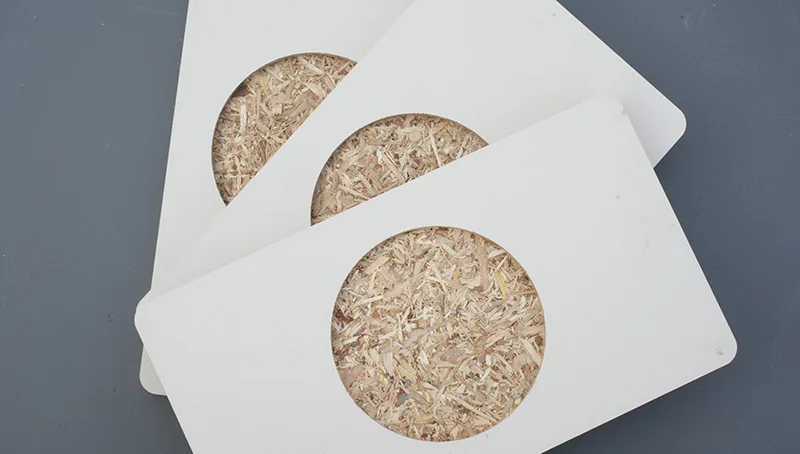
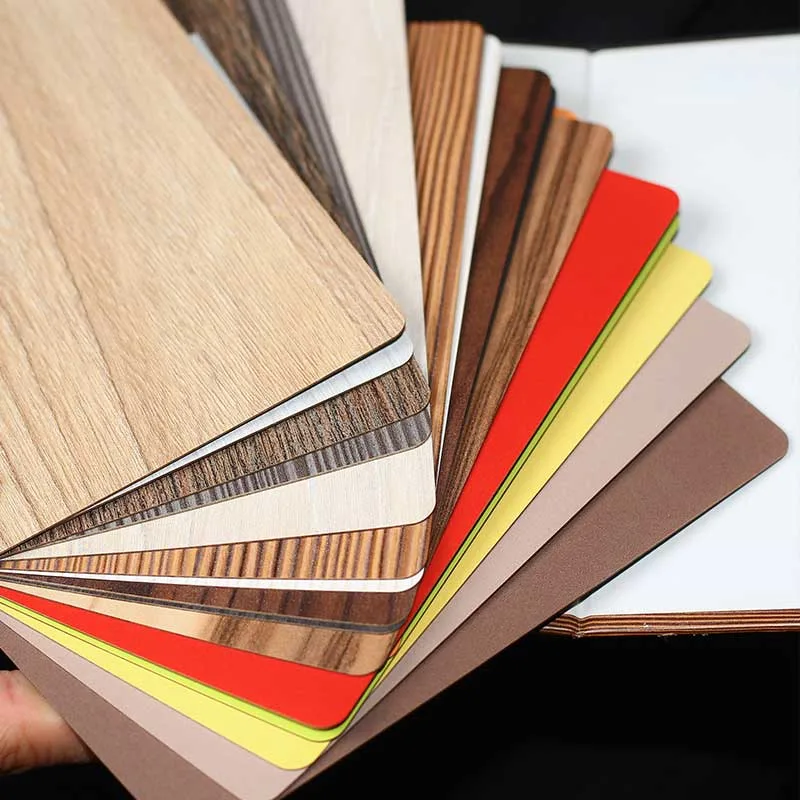
Melamine panel board is an engineered wood-based material composed of MDF, HDF, or particle board cores laminated with decorative melamine resin-impregnated paper. It is widely used in furniture manufacturing, interior decoration, cabinetry systems, and modular construction.
From a market perspective, melamine panel board sits between low-cost particle board solutions and high-performance plywood systems, offering an optimal balance of cost, durability, and aesthetics.
2026 Market Pricing Behavior
The global pricing trend in 2026 is characterized by structural cost pressure combined with demand stabilization. While construction recovery supports demand, raw material volatility continues to influence pricing direction.
Recent industrial reports show melamine-related material pricing remains sensitive to feedstock and energy costs, especially urea-based chemical inputs used in resin production
Melamine Panel Board Pricing Trends 2026 Key Drivers
Raw Material Dependency Structure
Wood-Based Core Materials
The base substrate (MDF, HDF, particle board) accounts for a large portion of cost composition.
Any fluctuation in wood fiber supply or density grade directly changes production pricing.
Melamine Resin Input Costs
Melamine resin is derived from urea-based chemical processes.
Price volatility in upstream chemicals creates direct cost transmission to panel board manufacturing.
Energy Cost Pressure in Manufacturing
High-Temperature Pressing Process
Melamine board production requires continuous hot pressing under controlled temperature and pressure.
This energy-intensive process makes electricity and gas prices a key cost factor.
Industrial Energy Index Impact
Regions with higher energy inflation (Europe in particular) experience stronger upward pricing pressure compared to Asia-Pacific manufacturing hubs.
Logistics and Supply Chain Structure
Global Freight Volatility
Container shipping rates, port congestion, and inland logistics significantly influence landed costs.
Import-dependent regions face higher final pricing even if factory prices remain stable.
Supply Chain Fragmentation Risk
Multi-tier supply chains increase markup layers.
Direct factory sourcing reduces cost volatility and improves price transparency.
Environmental Compliance Costs
Formaldehyde Emission Standards
Strict emission standards (E0, E1, CARB P2) increase production requirements.
Higher compliance grades typically result in higher product pricing.
Sustainability Certification Impact
Certifications such as FSC and PEFC add credibility but also increase cost due to raw material sourcing requirements.
Melamine Panel Board Pricing Segmentation 2026
Standard Grade Melamine Panel Board
Basic decorative panels used in mass furniture production.
They offer the lowest cost entry point but limited premium aesthetics.
High-Gloss Decorative Panels
These panels include UV coating or acrylic finishing layers.
They are widely used in modern interior design and retail furniture systems.
Moisture-Resistant Panels
Special adhesives and resin systems improve resistance in humid environments.
They are commonly used in kitchens, bathrooms, and coastal regions.
Fire-Resistant Melamine Panels
Enhanced with flame-retardant additives.
Typically used in commercial construction and public infrastructure projects.
Melamine Panel Board Pricing Comparison (2026 Industry Benchmark)
| Product Type | Core Material | Performance Level | Cost Range | Market Position |
|---|---|---|---|---|
| Standard Melamine Board | Particle board | Basic | Low | Mass market |
| MDF Melamine Panel | MDF core | Medium | Medium | Residential furniture |
| HDF Decorative Board | HDF core | High | Medium-high | Premium furniture |
| Fire-Retardant Board | Modified MDF | High safety | High | Commercial use |
| Moisture-Resistant Board | Treated MDF/HDF | Medium-high | Medium-high | Kitchen/bath |
Melamine Panel Board vs Other Materials
Melamine Panel Board vs MDF
Cost Efficiency Comparison
MDF is typically cheaper in raw form but requires additional finishing.
Melamine panel board reduces post-processing costs due to pre-laminated surfaces.
Durability Performance
Melamine surfaces provide better scratch resistance and moisture protection.
MDF alone is more vulnerable to humidity and surface wear.
Melamine Panel Board vs Plywood
Structural Strength
Plywood offers superior structural integrity for load-bearing applications.
Melamine boards focus more on surface aesthetics and decorative use.
Price Difference Insight
Plywood generally costs 20–40% more depending on grade.
Melamine board provides a more economical solution for interior applications.
Melamine Panel Board vs Particle Board
Cost Positioning
Particle board remains the lowest-cost option in engineered wood materials.
However, it lacks durability and surface finish quality compared to melamine panels.
Application Suitability
Particle board is suitable for low-load furniture structures.
Melamine boards dominate visible surfaces in modern interior design systems.
Melamine Panel Board Pricing Trend Analysis 2026 (Regional View)
Asia-Pacific Market
Asia remains the most competitive production hub.
Low labor costs and high manufacturing capacity keep prices relatively stable.
European Market
Energy costs and strict environmental regulations increase production expenses.
This region shows the highest average pricing levels globally.
North American Market
Import dependency and logistics costs create price variability.
Demand from residential renovation supports stable consumption levels.
Industry Case Study: Furniture Manufacturing Cost Optimization
Case Overview
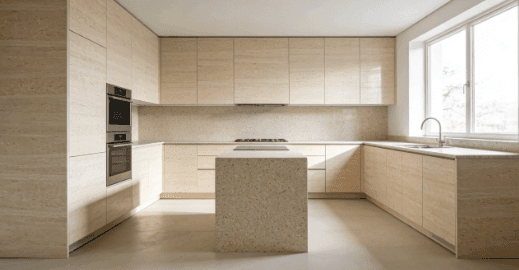
A mid-sized furniture manufacturer shifted from painted MDF to melamine panel boards for kitchen cabinetry production.
Results
- Reduced finishing labor cost by 32%
- Improved production cycle efficiency by 18%
- Lowered defect rate related to surface coating inconsistencies
Key Insight
Pre-laminated melamine surfaces significantly reduce downstream processing costs, making them economically efficient in large-scale manufacturing.
Concept Breakdown: Why Melamine Panel Board Prices Fluctuate
Cost Transmission Effect
Raw material changes in urea or wood fiber immediately affect production cost.
This creates a direct price transmission chain to end buyers.
Demand Cycle Influence
Furniture and construction cycles strongly influence demand fluctuations.
Seasonal construction slowdowns often reduce short-term pricing pressure.
Inventory Adjustment Mechanism
Manufacturers adjust production rates based on inventory levels.
Excess inventory often leads to short-term price stabilization or discounts.
Market Data Insight (White Paper Summary)
Recent global chemical and wood panel market reports indicate:
- Melamine chemical pricing showed a sharp upward swing in early 2026 before stabilizing
- Construction demand remains weak in several regions but stable in residential renovation segments
- Feedstock cost volatility is the primary driver of short-term pricing changes
- Supply chain normalization is expected to reduce extreme price fluctuations
Procurement Strategy for Melamine Panel Board Buyers
Bulk Purchasing Advantage
Large-volume purchasing helps lock in stable pricing contracts.
Manufacturers often provide discounts for long-term supply agreements.
Specification Optimization Strategy
Choosing correct board grade avoids unnecessary cost inflation.
Over-specification is one of the most common procurement inefficiencies.
Supplier Evaluation Framework
- Production capacity consistency
- Emission certification compliance
- Delivery reliability
- Surface quality uniformity
Conclusion
The melamine panel board industry in 2026 reflects a balanced but structurally sensitive pricing environment. While demand remains stable across furniture and construction sectors, pricing is primarily shaped by raw material cycles, energy costs, and global logistics conditions.
Manufacturers and buyers who focus on specification optimization, supply chain efficiency, and strategic procurement planning will achieve the strongest cost advantages in this evolving market landscape.
FAQ
Why are melamine panel board prices changing in 2026?
Prices fluctuate due to raw material volatility, energy costs, and resin production changes.
Global supply chain adjustments also contribute to short-term variation.
Will melamine panel board become more expensive in 2026?
A moderate upward trend is expected in most regions.
However, efficiency improvements may offset extreme increases.
What is the most cost-effective type of melamine panel board?
Standard melamine boards provide the best balance between price and usability.
They are widely used in furniture and interior applications.
How does melamine compare with MDF in pricing?
Melamine boards are slightly more expensive initially.
However, they reduce finishing costs and improve overall production efficiency.
What industries drive melamine panel board demand?
Furniture manufacturing, interior decoration, and modular construction are the primary demand drivers.
These industries account for the majority of global consumption.
Thank you for reading!
I’m glad you joined me on this journey. If you found this content useful or interesting, I would love to hear your thoughts.
- Follow me on Facebook for tips, updates, and community discussions.
Click here to connect - Subscribe to my YouTube channel for tutorials, demonstrations, and practical insights.
Click here to subscribe
Feel free to share your feedback or questions in the comments or on social media. Let’s keep learning and growing together!
-768x436.jpg.webp)