Table of Contents
Key Takeaways
- Start by deciding what visual effect the wall should create in the room.
- Choose a panel material based on moisture, impact, maintenance, and budget.
- Match the wood tone with the floor, furniture, lighting, and room size.
- Compare MDF, plywood, solid wood, OSB, and melamine-faced panels before buying.
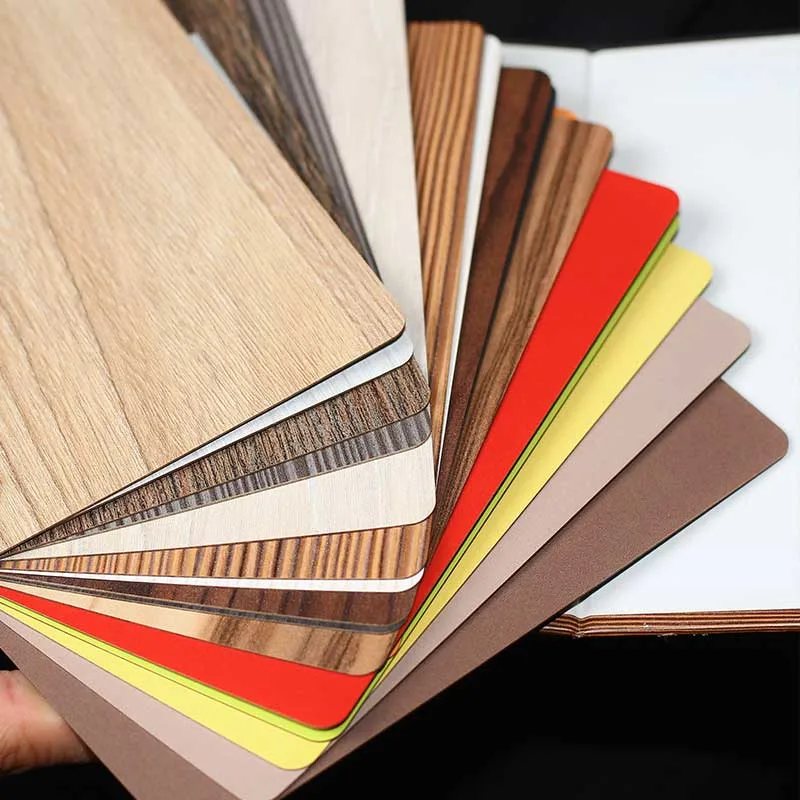
- Request physical samples because online colors may not reflect the final installed appearance.
- Check panel dimensions, flatness, emissions documentation, finish consistency, and packaging.
- Plan the panel direction and joint layout before installation begins.
- Use moisture-resistant or properly sealed materials in humid interior areas.
- Ask suppliers about customization, minimum order quantity, production consistency, and delivery.
- Treat the wall as a complete system that includes panels, adhesives, fasteners, trims, lighting, and maintenance.
A wooden accent wall can add warmth, texture, depth, and visual structure to an interior without requiring a complete room renovation. It may become a quiet architectural background, a bold focal point, or a practical decorative surface that protects the wall underneath.
However, selecting the right design involves more than choosing an attractive wood color. Material composition, panel size, grain direction, room humidity, surface finish, installation method, maintenance, and supplier quality can all influence the final result.
This guide explains how homeowners, interior designers, contractors, distributors, and project buyers can choose a wooden accent wall that balances appearance, performance, cost, and long-term value.
What Is a Wooden Accent Wall?
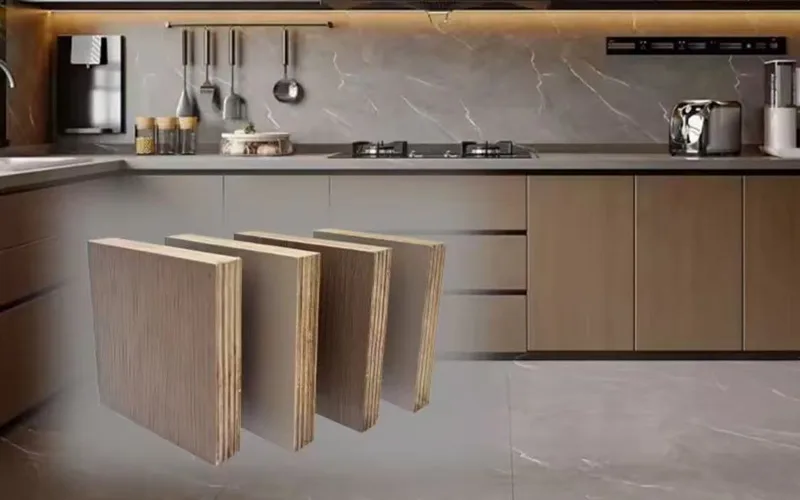
A wooden accent wall is a selected interior wall finished with natural wood, engineered wood, decorative boards, slats, veneers, or wood-look panels. Unlike a standard painted wall, it uses grain, texture, color, shadow, or panel geometry to create a stronger visual identity.
The wall does not always need to use solid timber. MDF, plywood, particleboard, OSB, veneered panels, and melamine-faced boards can also produce a convincing wood-inspired appearance when selected and installed correctly.
Accent Wall
An accent wall is designed to attract more attention than the surrounding walls. It often uses a contrasting material, color, pattern, or texture while the remaining surfaces stay visually simpler.
Feature Wall
A feature wall usually has a broader architectural or functional role. It may integrate shelving, lighting, a television, a fireplace, acoustic treatment, storage, or a branded commercial display.
Decorative Wall Panel
A decorative wall panel is a manufactured surface element installed over an existing wall. It can simplify installation, improve finish consistency, hide minor wall imperfections, and create repeating patterns.
Wood-Look Panel
A wood-look panel uses a printed, laminated, veneered, or embossed surface to reproduce the appearance of natural timber. It can provide more predictable color and grain consistency than solid wood.
Why Choose a Wooden Accent Wall?
A well-planned wooden accent wall can change how a room feels without changing its complete layout. It can make a large room feel more comfortable, give a plain room stronger character, or visually organize an open-plan interior.
Visual Warmth
Wood tones are commonly associated with warmth and natural character. Even a minimal design can feel less sterile when a carefully selected wood surface is introduced.
Texture and Depth
Slats, grooves, raised profiles, and visible grain create shadows that change throughout the day. This makes the surface feel more dynamic than a flat painted wall.
Spatial Definition
In open-plan interiors, a wood feature can define a dining area, reception zone, headboard wall, television area, or workspace without constructing a new partition.
Design Flexibility
Wood panels can support Scandinavian, modern, rustic, industrial, Japanese-inspired, luxury, traditional, and commercial interior styles. The final effect depends on the material, profile, color, spacing, and lighting.
Commercial Value
For hotels, offices, retail stores, restaurants, and showrooms, a decorative wall can strengthen the customer experience and communicate a more intentional brand image.
Start With the Purpose of the Wall
Before comparing materials, identify what the wall needs to achieve. A product that works well as a bedroom headboard surface may not be appropriate for a busy hotel corridor or a humid commercial interior.
Is It Mainly Decorative?
For a decorative application, color, grain, profile, and joint consistency may be the main priorities. Lightweight or prefinished panels can often reduce installation time.
Does It Need to Resist Daily Impact?
Entryways, corridors, restaurants, shops, and family rooms may experience frequent contact. In these areas, surface durability, edge protection, fixing strength, and repairability should receive more attention.
Will It Support a Television or Shelving?
The decorative panel itself may not be designed to carry heavy loads. Structural brackets should normally connect to wall studs, blocking, masonry, or another suitable supporting structure.
Decorative Panels Are Not Automatically Structural
Do not assume that an MDF sheet, thin veneer panel, or slatted covering can safely support a television or cabinet. Confirm the complete fixing system with the installer or project engineer.
Does the Wall Need Acoustic Performance?
Some slatted systems are combined with acoustic felt or absorptive backing. A standard decorative slat wall may change sound reflections slightly, but it should not automatically be described as an acoustic system without verified test data.
How Do I Choose the Right Wooden Accent Wall Material?
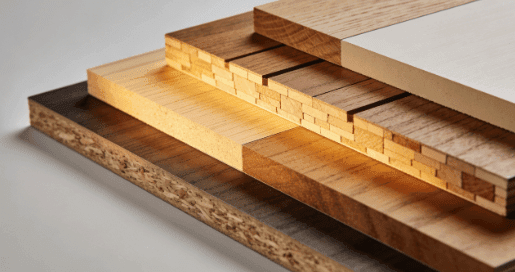
The correct material depends on appearance, environment, processing requirements, budget, installation method, and purchasing volume. No single panel type is best for every project.
MDF Wall Panels
Medium-density fiberboard has a uniform core and a smooth surface. It is suitable for painted panels, routed patterns, fluted profiles, veneered surfaces, and precisely machined decorative components.
MDF is particularly useful when the design requires clean grooves, repeated profiles, or consistent dimensions. Standard MDF is intended mainly for dry interiors, while moisture-resistant grades may be considered for selected humid indoor locations.
Buyers comparing MDF specifications can review DA AO Wood’s MDF Medium Density Fiberboard product information. For a more detailed procurement checklist, read the related guide on MDF Wall Panels Quality Checks.
Best for
- Painted feature walls
- CNC-routed patterns
- Fluted or grooved panels
- Veneered decorative surfaces
- Projects requiring consistent machining
Consider carefully
Unsealed edges can absorb moisture, and heavy MDF sheets require appropriate handling and fixing. Confirm the grade, thickness, density, edge treatment, and emission documentation before ordering.
Plywood Panels
Plywood is manufactured from multiple layers of veneer bonded with alternating grain directions. This construction can provide good strength, screw-holding performance, and dimensional stability.
A plywood-based wall may show natural veneer, receive a decorative laminate, or act as the core of a finished panel system.
Best for
- Walls that require stronger mechanical fixing
- Custom joinery
- Commercial interiors
- Veneered panel systems
- Integrated shelving or trim details
Consider carefully
Plywood quality varies according to veneer species, core structure, adhesive class, face grade, voids, thickness tolerance, and surface treatment. The intended application should determine the required specification.
Melamine-Faced Panels
Melamine-faced panels combine a decorative surface with an engineered substrate such as MDF, particleboard, or plywood. They are available in wood grains, solid colors, stone patterns, and other finishes.
These panels are attractive for projects requiring repeatable appearance, easy cleaning, and factory-finished surfaces. DA AO Wood’s Melamine Faced Plywood combines a decorative melamine surface with a multi-layer plywood core for furniture and interior applications.
Best for
- Commercial interiors
- Repeatable multi-room projects
- Prefinished wall systems
- Easy-to-clean surfaces
- Projects with consistent design codes
Consider carefully
Visible edges usually require matching edge banding, trims, grooves, or concealed joints. Request a physical sample because printed grain and gloss levels can appear different under project lighting.
Melamine-Faced Particleboard
Particleboard provides an economical and consistent core for many decorative applications. When properly faced and edged, it can be used in selected dry interior wall systems, cabinetry, displays, and fitted furniture.
Explore DA AO Wood’s Melamine Faced Particleboard when comparing cost-efficient decorative board options.
Best for
- Budget-sensitive interior projects
- Large repeatable orders
- Retail fixtures
- Dry residential interiors
- Coordinated furniture and wall finishes
Consider carefully
Edge protection and correct fixing are important. Particleboard should not be treated as waterproof, and fixing performance depends on density, screw type, edge distance, and loading.
OSB Panels
Oriented strand board has a visible strand pattern that suits industrial, workshop-inspired, contemporary, and raw interior styles. It can be left visually expressive or finished with a clear coating, stain, or paint system.
DA AO Wood’s Oriented Strand Board is presented for applications including wall panels, partitions, interior decoration, furniture, and structural uses.
Best for
- Industrial interiors
- Creative studios
- Retail displays
- Youth-oriented commercial spaces
- Raw or experimental design concepts
Consider carefully
OSB grades are not interchangeable. Confirm whether the selected board is appropriate for the intended structural, decorative, humidity, and emission requirements.
Solid Wood Panels
Solid wood provides authentic grain variation, depth, and natural character. It can be sanded, refinished, stained, oiled, or repaired, depending on the species and construction.
Best for
- Premium residential interiors
- Luxury hospitality projects
- Traditional or natural design schemes
- Long-term installations
- Projects where natural variation is desirable
Consider carefully
Solid wood responds to changes in temperature and humidity. Species, moisture content, board width, construction, acclimatization, expansion gaps, and finishing method all affect performance.
Natural Wood Veneer
Wood veneer uses a thin layer of natural timber bonded to a stable substrate. It can deliver the visual character of premium wood species while reducing the amount of solid timber required.
Best for
- Luxury-looking interiors
- Large coordinated surfaces
- Custom grain matching
- Curved or detailed joinery
- Projects balancing natural appearance and stability
Consider carefully
Veneer leaves vary naturally. Buyers should approve the species, cut, grain direction, matching method, stain, sheen, and acceptable color range.
Wooden Accent Wall Material Comparison
The following table provides a practical starting point. Actual performance varies according to grade, thickness, finish, installation system, supplier, and project conditions.
| Material | Visual Character | Main Advantage | Main Limitation | Suitable Applications |
|---|---|---|---|---|
| MDF | Smooth and consistent | Excellent for routing and painting | Edges require moisture protection | Bedrooms, living rooms, offices |
| Plywood | Natural or layered | Good strength and fixing performance | Quality varies by core and veneer | Commercial interiors, joinery walls |
| Melamine-faced plywood | Consistent and finished | Durable decorative surface with strong core | Edges require planned finishing | Hotels, shops, offices, furniture walls |
| Melamine-faced particleboard | Uniform and economical | Cost-effective factory finish | Less suitable for wet exposure | Dry interiors and retail displays |
| OSB | Raw and expressive | Distinctive strand texture | Not suitable for every interior style | Studios, shops, industrial interiors |
| Solid wood | Natural and premium | Authentic character and repairability | Movement and higher cost | Luxury residential and hospitality |
| Wood veneer | Refined and natural | Premium appearance with efficient material use | Requires careful matching and finishing | Offices, hotels, premium homes |
How Do You Choose the Right Wood Color?
Color should be evaluated as part of the complete room rather than as an isolated sample. Flooring, furniture, natural light, artificial lighting, ceiling height, wall size, and surrounding paint colors can all change how the panel appears.
Light Wood Tones
Oak-inspired, ash, maple, birch, and pale neutral finishes can make an interior feel open, calm, and contemporary. They are often suitable for Scandinavian and minimalist rooms.
Medium Wood Tones
Warm oak, teak-inspired, chestnut, and medium walnut finishes create a balanced effect. They can introduce warmth without making the wall visually dominant.
Dark Wood Tones
Dark walnut, smoked oak, charcoal wood grain, and espresso finishes create contrast and depth. They often work well in larger rooms, luxury interiors, media walls, restaurants, and executive offices.
Test Dark Finishes Under Real Lighting
A dark sample may look elegant in a bright showroom but much heavier in a room with limited daylight. Review samples vertically and under the actual lighting temperature planned for the project.
Warm Versus Cool Undertones
Warm wood tones contain visible yellow, red, orange, or golden notes. Cool wood tones tend toward gray, muted brown, charcoal, or taupe.
The wood does not need to match the floor exactly. In many cases, a controlled contrast is more successful than an almost-matching finish that appears accidental.
Should a Wooden Accent Wall Match the Floor?
It can coordinate with the floor without being identical. Matching every grain and color may make the room feel overly uniform, while unrelated tones can create visual conflict.
Use a Shared Undertone
A light oak floor and medium oak wall can work together when both have warm undertones. A gray-washed floor may coordinate better with smoked or neutral wood finishes.
Create Intentional Contrast
A darker wall can anchor a room with a pale floor. A light feature wall can soften an interior with dark flooring or heavy furniture.
Avoid Competing Grain Patterns
When the floor has strong grain and color variation, a quieter wall finish may create better balance. When the floor is visually simple, the wall can carry more texture.
Which Wall Should Become the Accent Wall?
The most suitable wall is normally the one the eye naturally reaches first or the one connected to the room’s main activity.
Living Room
The television wall, fireplace wall, or wall behind the main sofa is often the strongest candidate. Consider cable management, ventilation, equipment access, and structural fixing before installation.
Bedroom
The wall behind the bed can create a natural headboard effect and make the sleeping area feel more defined. Softer colors and lower-contrast patterns often support a calmer atmosphere.
Dining Room
A dining wall can provide warmth and create a visual background for lighting, artwork, or a sideboard. Easy-to-clean finishes may be helpful in frequently used areas.
Office
A wood surface behind a reception desk, meeting table, executive workspace, or video-call area can make the room appear more structured and professional.
Retail or Hospitality Interior
A wooden accent wall can define a reception zone, product display, restaurant booth, hotel lobby, or branded photo area. Commercial applications should also consider fire requirements, impact resistance, cleaning, repair, and batch-to-batch consistency.
How Much of the Room Should Be Wood?
There is no fixed percentage that works for every room. The correct amount depends on the wall size, material color, texture intensity, ceiling height, lighting, and surrounding surfaces.
One Complete Wall
Covering one full wall creates a clear focal point and is usually easier to understand visually. It is suitable for media walls, headboard walls, reception backgrounds, and dining areas.
Partial-Height Installation
A partial-height panel can act as modern wainscoting. It may protect the lower wall while preventing a dark or highly textured finish from overpowering the room.
Framed Feature Area
Panels can be installed within a defined frame around a television, bed, artwork, mirror, or reception logo. This reduces material usage and creates a controlled focal zone.
Repeated Wall and Ceiling Detail
Continuing the finish from the wall onto part of the ceiling can create a strong architectural effect. This approach requires careful planning around lighting, joints, ventilation, and transitions.
Vertical, Horizontal, or Geometric Panels?
Panel direction changes how people perceive the proportions of a room.
Vertical Wood Panels
Vertical lines can make a ceiling appear higher and produce a clean, orderly rhythm. They are frequently used for slat walls, narrow bedrooms, reception areas, and contemporary living rooms.
Horizontal Wood Panels
Horizontal lines can make a narrow wall appear wider. They may suit modern media walls, corridors, and spaces where a calmer visual direction is preferred.
Diagonal or Geometric Layouts
Chevron, herringbone, diagonal, and mixed-width patterns create stronger movement. They can become highly decorative but require more cutting, planning, labor, and material allowance.
More Pattern Usually Means More Waste
Complex layouts generate additional offcuts and require closer color and grain matching. Contractors and buyers should include an appropriate waste allowance in the material calculation.
Slatted Panels Versus Flat Panels
Both systems can create an effective wooden accent wall, but they produce different visual and practical results.
Slatted Wood Wall
A slatted design uses repeated narrow vertical or horizontal elements, often separated by visible gaps. The spacing creates shadow lines and a three-dimensional appearance.
Advantages
- Strong visual rhythm
- Contemporary appearance
- Can help conceal selected joints
- Works well with integrated lighting
- Can be combined with felt-backed systems
Limitations
- Grooves collect more dust
- Cutting around sockets takes planning
- Alignment errors are easy to see
- More surface area may increase cleaning time
Flat Wood Wall
A flat system uses larger sheets, boards, or veneered panels with minimal relief. It can produce a refined, calm, and architectural appearance.
Advantages
- Easier surface cleaning
- Suitable for large grain patterns
- Fewer shadows and visual interruptions
- Can coordinate with cabinetry
- Effective for premium veneer matching
Limitations
- Uneven walls may become more visible
- Panel joints require careful planning
- Large sheets can be difficult to transport
- Surface damage may be easier to notice
Prefinished Panels Versus Site-Finished Wood
A prefinished panel arrives with its decorative surface already applied. Site-finished wood is stained, painted, oiled, lacquered, or sealed during or after installation.
Prefinished Panels
Prefinished materials generally provide more consistent color and can reduce on-site finishing time. They may be suitable for repeatable commercial projects and large-volume procurement.
Site-Finished Panels
Site finishing allows greater control over the final tone and sheen. It may also help coordinate the wall with existing flooring, doors, furniture, or trim.
Which Option Is Better?
Choose prefinished panels when consistency, speed, and predictable cleaning are priorities. Choose site-finished materials when customization, natural variation, repairability, or exact color adjustment matters more.
How Thick Should a Wooden Accent Wall Be?
There is no universal ideal thickness. The correct specification depends on panel dimensions, substrate, groove depth, profile, fixing method, wall flatness, edge design, and any loads connected to the wall.
Thin Decorative Layer
Thin veneers, laminates, and lightweight decorative sheets may be bonded to a prepared substrate. The underlying wall needs to be flat, clean, dry, and compatible with the adhesive.
Medium-Thickness Panel
Medium-thickness boards may provide enough material for routing, shallow grooves, edge detailing, or concealed fixing. Confirm how much material remains behind any machined profile.
Thick Slat or Batten System
Thicker slats create deeper shadows and a more architectural appearance. They also project farther into the room and may require stronger battens or mechanical fixings.
Thickness Alone Does Not Determine Strength
Core quality, density, grain direction, panel construction, fixing spacing, and wall support are also important. A thicker low-quality board is not automatically more reliable than a correctly specified thinner product.
Can You Install a Wooden Accent Wall in a Bathroom?
A wood-inspired wall may be suitable in selected bathroom areas, but location and exposure must be evaluated carefully. A low-splash vanity wall is different from a shower enclosure or a wall that remains wet.
Low-Splash Areas
Moisture-resistant boards, sealed plywood, selected compact materials, or properly finished wood may be considered where ventilation is good and direct water exposure is limited.
Direct-Water Areas
Standard MDF, untreated particleboard, and many decorative wood panels should not be assumed suitable for direct water exposure. Use a system specifically approved for the intended wet-area application.
Ventilation Matters
Even moisture-resistant materials can experience problems when a room has persistent condensation and inadequate airflow. Control the environment as well as the panel specification.
Can You Put a Wooden Accent Wall in a Kitchen?
Yes, but evaluate heat, steam, grease, cleaning chemicals, water exposure, and fire safety. A dining-side feature wall has different requirements from a surface directly behind a cooktop or sink.
Away From the Cooking Zone
Prefinished decorative panels can work well on breakfast-area walls, cabinet ends, dining walls, and other locations with moderate exposure.
Near Heat or Flame
Do not place combustible materials near heat sources without checking appliance clearances, local building requirements, the complete wall assembly, and the manufacturer’s instructions.
Near a Sink
Choose a cleanable, edge-protected, moisture-appropriate system. Joints, cutouts, lower edges, and transitions require particular attention.
What Finish Is Best for a Wooden Accent Wall?
The finish influences appearance, cleaning, scratch resistance, stain resistance, color stability, and repair options.
Matte Finish
A matte finish reduces reflections and often creates a natural, contemporary appearance. It can hide minor fingerprints better than a highly polished surface.
Satin Finish
Satin provides a moderate sheen and is often easier to wipe clean. It offers a balance between natural appearance and practical maintenance.
High-Gloss Finish
Glossy surfaces reflect more light and can create a dramatic modern effect. They also reveal fingerprints, scratches, uneven walls, and installation imperfections more easily.
Oiled Finish
Oil can emphasize natural grain and provide a tactile appearance. Maintenance requirements depend on the oil system, wood species, exposure, and cleaning routine.
Painted Finish
Painted MDF panels allow strong control over color and work well with fluted, ribbed, geometric, and routed designs. Proper priming and edge preparation are essential for a consistent result.
What Should I Check Before Buying Wood Wall Panels?
Product photos alone are not enough for a reliable purchasing decision. Ask for measurable specifications, representative samples, and supporting documentation.
Panel Dimensions
Confirm length, width, thickness, thickness tolerance, squareness, and flatness. These factors influence alignment, joint quality, machining, and installation efficiency.
Surface Consistency
Review color, grain, gloss, texture, pattern repeat, scratches, contamination, and surface bonding. Inspect more than one panel when ordering for a large area.
Core Quality
For MDF, plywood, and particleboard, inspect the edge and trial-cut the material. Look for voids, loose particles, inconsistent density, delamination, chipping, or weak internal bonding.
Moisture Suitability
Ask whether the product is standard, moisture-resistant, exterior-rated, or designed for another defined exposure class. Marketing terms should be supported by technical information.
Emissions Documentation
For composite wood products entering the United States, buyers should check whether applicable MDF, particleboard, and hardwood plywood products meet the relevant EPA TSCA Title VI requirements. The EPA explains that these regulated panel categories require applicable certification and labeling rather than relying on appearance or a general “eco-friendly” claim. Review the EPA formaldehyde standards for composite wood products.
Responsible Sourcing
When responsible forest sourcing is part of the project specification, ask for the exact certification claim, certificate scope, product status, and chain-of-custody documentation. FSC describes chain-of-custody certification as a system for identifying and tracing eligible forest-based material through production and distribution. Learn about FSC chain-of-custody certification.
Fire Performance
For hotels, offices, public spaces, corridors, and other regulated environments, request fire test information relevant to the complete panel system. Requirements vary by country, building type, wall assembly, and application.
A Core Test Is Not Always a System Test
A report for an unfinished board may not represent the behavior of a finished wall containing veneer, felt, adhesive, coating, battens, and air gaps. Confirm what exact product or assembly was tested.
Batch Traceability
Large projects should use identifiable production batches. Traceability makes it easier to investigate color differences, surface defects, dimensional issues, or replacement requirements.
Packaging
Protective sheets, corner guards, flat stacking, moisture barriers, stable pallets, and clear labels help prevent damage during storage and international shipping.
How Do I Calculate How Many Panels I Need?

Begin with the net wall dimensions, then account for windows, doors, sockets, corners, pattern repeat, trimming, defects, and future replacement needs.
Step 1: Measure the Wall
Calculate the wall width and height. Divide irregular walls into smaller rectangles and calculate each area separately.
Step 2: Subtract Large Openings
Subtract major doors and windows when appropriate. Small cutouts may not justify a deduction because they still generate offcuts.
Step 3: Review the Panel Layout
A layout drawing can reveal narrow edge pieces, awkward joints, grain mismatches, or additional cuts before the material is ordered.
Step 4: Add a Waste Allowance
Simple large-panel layouts generally create less waste than diagonal, chevron, herringbone, or grain-matched installations. The contractor should determine an allowance appropriate to the specific design.
Step 5: Keep Replacement Material
For commercial projects or custom finishes, keeping spare panels from the same production batch can simplify future repairs.
How Should a Wooden Accent Wall Be Installed?
Installation should follow the panel manufacturer’s guidance, adhesive instructions, project specification, wall conditions, and local building requirements.
Prepare the Substrate
The wall should be structurally sound, sufficiently flat, clean, dry, and free from loose paint or contamination. Existing moisture problems should be resolved before covering the surface.
Acclimatize the Material
Some wood and wood-based materials should be conditioned in the installation environment before fitting. Requirements vary by material, packaging, humidity, finish, and manufacturer.
Create a Reference Line
Use a level or laser to establish the first installation line. A small alignment error at the beginning can become highly visible across a full wall.
Plan the Joints
Decide where full panels, cut panels, trims, corners, sockets, switches, and expansion details will appear. Do not leave the joint layout until installation begins.
Choose the Fixing Method
Possible methods include construction adhesive, concealed clips, screws, nails, battens, rails, or combined fixing systems. The correct method depends on panel weight, wall type, fire requirements, removability, and design.
Test Adhesive Compatibility
An adhesive may bond well to one coating and poorly to another. Test the adhesive with the actual panel backing, wall surface, temperature, and curing conditions.
Finish the Edges
Exposed edges can be concealed or protected with veneer, edge banding, solid wood trims, metal profiles, shadow gaps, corner sections, or matching decorative strips.
Common Wooden Accent Wall Mistakes
Avoiding a few common errors can significantly improve appearance and service life.
Choosing Only by Color
A beautiful sample may still be wrong for the room if the material cannot tolerate the humidity, cleaning, impact, or fixing requirements.
Ignoring Natural Light
Wood colors change under warm LEDs, cool LEDs, daylight, and evening light. Review the sample at different times before approving it.
Mixing Too Many Wood Tones
Several wood tones can work together, but they need a clear hierarchy. Select one dominant wood finish and use the others as supporting elements.
Installing Over a Damp Wall
Covering an unresolved moisture problem may trap moisture and damage the panel, adhesive, wall, or finish.
Treating Moisture-Resistant as Waterproof
Moisture resistance generally means improved performance under defined humid conditions. It does not mean unlimited direct water exposure.
Forgetting Electrical Access
Plan sockets, switches, television cables, data ports, lighting drivers, and maintenance access before closing the wall.
Ordering Without a Sample
Digital images cannot reliably communicate exact grain scale, gloss, texture, color variation, edge quality, or surface feel.
Ignoring Production Batches
Decorative surfaces and natural wood may vary between batches. Large visible areas should be planned around approved samples and controlled batch supply.
Wooden Accent Wall Versus Other Wall Finishes
Understanding alternatives can help buyers decide whether wood panels are the most suitable solution.
Wooden Accent Wall Versus Paint
Paint is usually simpler, thinner, and easier to recolor. Wood panels provide more texture, depth, grain, and architectural character.
Choose paint when flexibility and low complexity matter most. Choose wood panels when the wall needs to become a stronger visual or material feature.
Wooden Accent Wall Versus Wallpaper
Wallpaper offers a wide variety of printed designs and generally adds little thickness. Wood panels provide a more tactile surface and can produce deeper shadows and more convincing material depth.
Choose wallpaper for decorative pattern and easy style changes. Choose wood panels when texture, durability, or premium material expression is more important.
Wooden Accent Wall Versus Stone-Look Panels
Stone-look surfaces can create a cooler, more monumental appearance. Wood finishes generally feel warmer and may coordinate more naturally with furniture and cabinetry.
Wooden Accent Wall Versus Upholstered Panels
Upholstered panels create a soft visual and tactile effect and are often used behind beds. Wood panels are usually easier to integrate with shelves, trims, lighting, and cabinetry.
How to Choose a Supplier for a Wooden Accent Wall Project
Supplier selection matters when a project requires stable dimensions, repeatable finishes, custom sizes, export packaging, or ongoing supply.
Ask About Manufacturing Capability
Determine whether the supplier controls core production, laminating, cutting, machining, finishing, inspection, and packaging or relies on multiple subcontractors.
Ask for Technical Specifications
Request written information covering the panel type, dimensions, thickness, tolerance, density where relevant, surface finish, edge treatment, emissions documentation, and intended use.
Approve a Representative Sample
A small decorative chip may not reveal panel flatness, joint quality, grain repeat, machining behavior, or edge performance. For important projects, request a larger representative sample.
Discuss Customization
Clarify whether size, thickness, wood grain, color, gloss, surface texture, profile, groove spacing, edge treatment, packaging, and labeling can be customized.
Review Production Consistency
Consistency is particularly important for importers, distributors, furniture manufacturers, and multi-location interior projects. The supplier should explain how dimensions, flatness, surface quality, and batch identification are controlled.
DA AO Wood supplies engineered and decorative board materials for furniture, interior decoration, and construction applications. Buyers can compare DA AO Wood panel products or review the company’s guide to 2026 wooden panel trends before defining a project specification.
A Practical Wooden Accent Wall Selection Checklist
Use this checklist before requesting a quotation or approving a sample.
Design Information
- Room type and wall location
- Wall width and height
- Preferred wood tone
- Grain direction
- Panel orientation
- Desired profile or pattern
- Required edge detail
- Lighting arrangement
Performance Information
- Indoor humidity conditions
- Risk of direct water exposure
- Expected impact level
- Cleaning requirements
- Fire-performance requirements
- Emissions requirements
- Acoustic requirements
- Structural fixing requirements
Purchasing Information
- Required panel dimensions
- Preferred thickness
- Total quantity
- Waste allowance
- Replacement stock
- Sample requirement
- Packaging method
- Destination market
- Required documents
- Delivery schedule
Questions Buyers Are Asking About Wooden Accent Walls
Modern search users increasingly ask complete, conversational questions rather than entering only short product terms. The following questions also help buyers define their requirements more clearly.
What type of wood panel is best for a living room wall?
For a dry living room, MDF, plywood, veneer, melamine-faced panels, solid wood, and selected OSB finishes may all be possible. The best choice depends on the preferred appearance, budget, required durability, installation method, and maintenance expectations.
How do I make a wood accent wall look modern instead of rustic?
Use clean vertical lines, consistent spacing, restrained wood tones, matte finishes, concealed joints, minimal trim, and integrated lighting. Pair the wall with simple furniture and avoid combining too many competing textures.
Can I use MDF for a wood accent wall?
Yes. MDF is particularly suitable for painted, veneered, routed, ribbed, and fluted designs in appropriate dry interior conditions. Choose the correct grade and protect cut edges.
Is a dark wood wall a bad idea in a small room?
Not necessarily. A dark wall can create depth and focus, especially when the remaining walls are light and the room has good lighting. Test a large sample first because very dark finishes can reduce perceived brightness.
Do wood wall panels make a room look smaller?
Dark, heavily textured, or horizontally dominant panels may make some rooms feel more enclosed. Light tones, vertical layouts, limited coverage, and balanced lighting can reduce this effect.
Can I install wood panels over drywall?
Many systems can be installed over correctly prepared drywall, but the fixing method must suit the panel weight and wall construction. Heavy loads should connect to suitable structural support rather than relying only on the drywall surface.
Should wood slats run vertically or horizontally?
Vertical slats often emphasize height, while horizontal slats can emphasize width. The better direction depends on room proportions, furniture layout, panel dimensions, and the desired visual effect.
Are wood wall panels difficult to maintain?
Flat prefinished panels are generally easy to wipe clean. Deep grooves and narrow slat gaps collect more dust and may require vacuuming with a soft brush attachment.
What is the most affordable wooden accent wall material?
Melamine-faced particleboard, selected MDF designs, simple plywood, or OSB may offer cost-efficient options, depending on the market and finish. Installation, trims, finishing, freight, and waste should be included in the total cost comparison.
How can I tell whether a wood wall panel is good quality?
Check dimensions, flatness, squareness, edge integrity, surface consistency, core uniformity, machining performance, documentation, packaging, and batch traceability. Always inspect a representative sample before approving a large order.
Final Thoughts
Choosing a wooden accent wall requires a balance between design and technical performance. The most attractive material is not automatically the most suitable material for the room, installation method, environment, or budget.
Begin with the intended purpose of the wall. Then compare the panel core, decorative finish, color, grain, dimensions, moisture suitability, maintenance, fixing method, certifications, and supplier capability.
For residential projects, physical samples can prevent color and scale mistakes. For commercial and wholesale projects, written specifications, approved samples, batch control, inspection, and export packaging are equally important.
DA AO Wood offers MDF, plywood, melamine-faced panels, particleboard, OSB, and other wooden panel options for furniture, decorative interiors, and project applications. Visit the DA AO Wood homepage to explore panel categories, request samples, or discuss customized specifications for your next wooden accent wall project.
FAQ
What is the best material for a wooden accent wall?
There is no single best material for every application. MDF works well for routed and painted designs, plywood provides good structural stability, melamine-faced panels offer consistent prefinished surfaces, solid wood provides natural character, and OSB creates a raw industrial appearance.
Is a wooden accent wall still in style?
Wood surfaces remain relevant because they can be adapted to many interior styles. Current designs often use cleaner profiles, lighter or smoked tones, vertical slats, large flat panels, controlled grain patterns, and integrated lighting rather than overly rustic detailing.
Which wall should I choose for a wood accent?
Choose a wall connected to the room’s main focal point, such as the wall behind a bed, television, fireplace, dining table, reception desk, or major furniture arrangement. Avoid selecting a wall that conflicts with doors, windows, equipment, or circulation.
How much does a wooden accent wall cost?
The total cost depends on material, thickness, surface finish, wall size, panel pattern, substrate preparation, trims, labor, freight, waste, and customization. Compare the complete installed system rather than the panel price alone.
Can I use wood panels in a humid climate?
Yes, but the material grade, edge treatment, backing, adhesive, ventilation, and installation details must suit the expected humidity. Standard interior MDF or particleboard should not be assumed suitable for direct water exposure.
Is MDF or plywood better for a wooden feature wall?
MDF is usually better for smooth paint finishes, repeated grooves, and precise CNC profiles. Plywood may be preferred where screw-holding, layered construction, or stronger mechanical performance is needed.
How do I stop wood wall panels from warping?
Use properly manufactured and stored panels, allow appropriate conditioning, control room humidity, prepare a flat substrate, follow the recommended fixing pattern, and protect the panels from moisture exposure. Material grade and panel construction also matter.
Can wood wall panels be removed later?
Some clip, rail, or mechanically fixed systems can be removed more easily than fully bonded panels. Discuss future access and removability before selecting the installation method.
Do I need a professional installer?
Simple panel systems may be suitable for experienced DIY users, but large sheets, complex patterns, hidden lighting, integrated televisions, irregular walls, and commercial projects generally benefit from professional installation.
What should I request from a wooden panel supplier?
Request product specifications, finish samples, panel samples, tolerances, technical documents, emissions information where applicable, fire data where required, packaging details, customization options, production lead time, and batch traceability.
Thank you for reading!
I’m glad you joined me on this journey. If you found this content useful or interesting, I would love to hear your thoughts.
- Follow me on Facebook for tips, updates, and community discussions.
Click here to connect - Subscribe to my YouTube channel for tutorials, demonstrations, and practical insights.
Click here to subscribe
Feel free to share your feedback or questions in the comments or on social media. Let’s keep learning and growing together!
.jpg)