Table of Contents
Why MDF Wall Panels Quality Matters
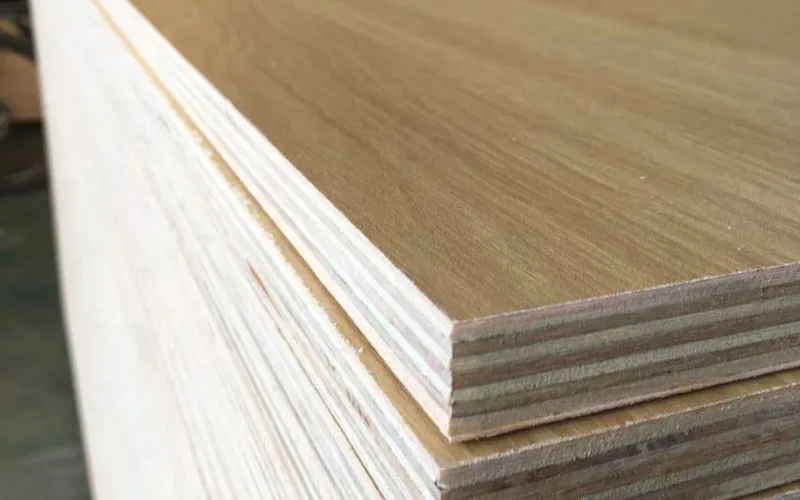
MDF wall panels are manufactured from refined wood fibers combined with resin and pressed under controlled heat and pressure. Their uniform core and smooth surface make them suitable for painted feature walls, routed patterns, slatted systems, commercial interiors, hotel rooms, and customized decorative projects.
However, two panels that look similar in a product photo may perform very differently after cutting and installation. Variations in density, moisture content, resin distribution, surface preparation, and dimensional accuracy can cause chipped grooves, visible joints, swelling, weak fastener holding, or uneven paint absorption.
For importers, contractors, and interior-product distributors, quality inspection is therefore more than a visual check. It is a structured process that connects the product specification with its actual installation environment.
Start with the Intended Application
A reliable inspection begins before the panels are produced. Buyers should define where and how the material will be used because the correct acceptance criteria for a dry bedroom wall may not be suitable for a hotel corridor or humid commercial interior.
Standard Interior MDF Wall Panels
Standard MDF is generally designed for dry interior environments. It is commonly selected for living rooms, bedrooms, offices, retail displays, and decorative feature walls.
Its main advantages are a smooth surface, consistent structure, and excellent machinability. Direct water exposure or persistently high humidity should still be avoided.
Moisture-Resistant MDF Wall Panels
Moisture-resistant MDF uses a modified resin system to improve performance in humid indoor conditions. It may be appropriate for selected kitchens, wash areas, and humid climates when the panel specification and installation method support such use.
Moisture-Resistant Does Not Mean Waterproof
This distinction is essential during procurement. Moisture-resistant MDF can tolerate humidity better than standard MDF, but unfinished edges, incorrect joints, or direct water exposure can still cause swelling.
Fire-Retardant MDF Wall Panels
Fire-retardant panels are designed for projects with specific reaction-to-fire requirements, such as hotels, offices, public buildings, or retail interiors. Buyers should request a relevant test report rather than relying only on the panel color or a supplier’s general description.
The required fire classification depends on the destination country, building type, panel system, and local code. Confirm the project requirement with a qualified building professional before ordering.
Check MDF Wall Panels Specifications First
Quality cannot be evaluated fairly without an agreed specification. Before production, the purchase order should clearly state the panel type, dimensions, thickness tolerance, density range, finish, edge profile, emission class, packaging method, and applicable test standard.
The following table can be used as a practical starting point. Final limits should always follow the approved specification and relevant standard.
| Quality item | What to inspect | Common warning sign | Why it matters |
|---|---|---|---|
| Length and width | Measure several positions | Panels vary within one batch | Affects layout and joint alignment |
| Thickness | Check corners and center | Uneven readings across one sheet | Causes visible steps between panels |
| Squareness | Compare diagonals | Diagonal measurements differ | Creates gaps during installation |
| Flatness | Place on a level surface | Bowing, cupping, or twisting | Prevents full contact with the wall |
| Density | Review data and sample weight | Major differences between samples | Influences machining and strength |
| Surface quality | Inspect under angled light | Dents, sanding marks, contamination | Defects may remain visible after finishing |
| Edge quality | Examine cut and routed edges | Loose fibers, cracks, or chipping | Reduces finish quality and joint strength |
| Moisture condition | Test representative samples | Large batch-to-batch variation | Increases movement or swelling risk |
| Decorative finish | Compare with approved sample | Color, gloss, or texture variation | Produces inconsistent completed walls |
| Documentation | Verify reports and labels | Missing lot or test information | Creates compliance and traceability risks |
Inspect Dimensions, Flatness, and Squareness
Dimensional accuracy is one of the most important checks for MDF wall panels. Small deviations can accumulate across a large wall, especially when panels use narrow shadow gaps, interlocking edges, repeated grooves, or geometric patterns.
Measure More Than One Location
Use calibrated tools to measure thickness near all four corners and at the center. Checking only one point may fail to identify uneven pressing or sanding.
Length and width should also be checked on several randomly selected pieces. Record actual measurements instead of writing only “pass” or “fail.”
Test Panel Squareness
Measure both diagonals of a rectangular panel. A meaningful difference indicates that the panel may not be square, even when its length and width appear correct.
Out-of-square panels can create progressively wider gaps during installation. This issue becomes especially visible in full-height wall systems.
Look for Bowing and Twisting
Lay the panel on a clean, flat reference surface and check whether the corners lift. View the sheet from both the long and short edges to identify bowing, cupping, or twisting.
Slight movement may be manageable depending on the installation system, but severe deformation can prevent proper adhesion and joint alignment.
Examine the MDF Core and Edge Quality
The edge reveals information that the finished face may hide. A uniform, compact core generally machines more predictably, while loose fibers or uneven internal density may lead to weak edges and rough routed patterns.
Core Consistency
Cut a sample and inspect the cross-section under bright light. The core should appear reasonably uniform, without large voids, dark contamination, poorly bonded zones, or visible layer separation.
For decorative CNC designs, inspect both the center and the face zones. A panel can have an attractive surface but still produce fuzzy grooves if its internal fiber structure is inconsistent.
Edge Chipping
Clean cuts should not produce excessive breakout or large broken areas. Minor fiber roughness may be corrected during finishing, but repeated chipping suggests unsuitable cutting parameters, poor tooling, or inconsistent board quality.
Conduct a Trial Cut
Use the same saw blade, router bit, feed speed, and pattern planned for production. A generic hand-cut sample does not accurately represent performance on the buyer’s manufacturing line.
Evaluate Surface and Decorative Finish
.jpg)
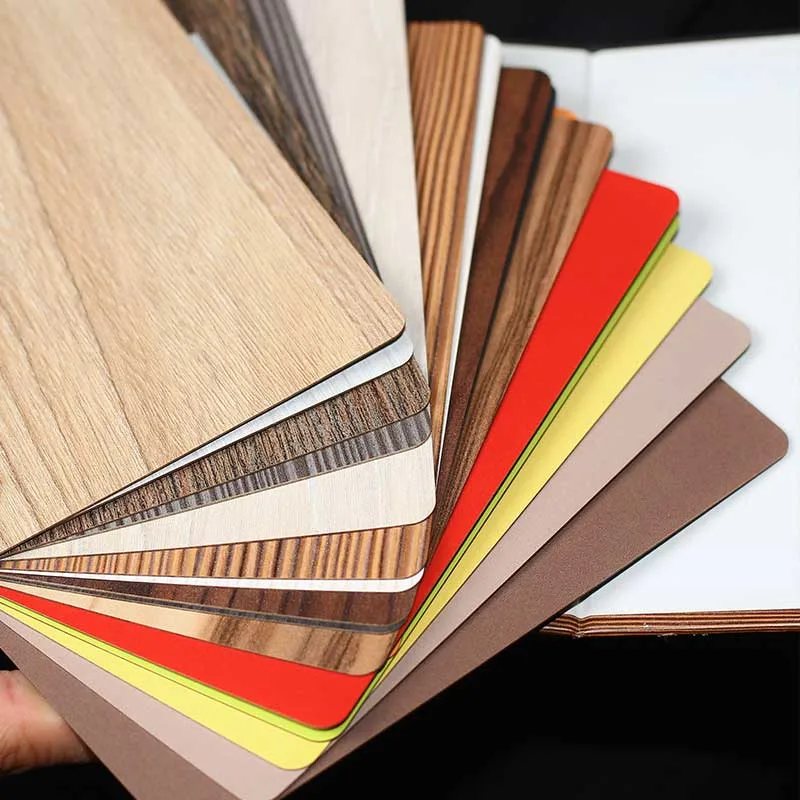
MDF wall panels may be supplied raw, primed, painted, veneered, laminated, or covered with decorative paper. Each finish requires a slightly different inspection method.
Raw MDF Surface
Raw panels should be smooth, clean, and free from deep sanding lines, oil spots, wax contamination, blisters, dents, and pressed-in debris. Inspect the face under angled light because defects can be difficult to see from directly above.
A smooth surface is important for painted applications, but appearance alone is not enough. Apply the intended primer and topcoat to a sample to check absorption and final appearance.
Painted or Primed Panels
Compare color, gloss, texture, and coverage with an approved master sample. Check grooves and edges carefully because these areas often receive thinner coating coverage than the flat face.
Look for pinholes, orange peel, runs, dust particles, exposed fibers, and uneven sheen. Panels from different production batches should be viewed together under consistent lighting.
Veneered or Laminated Panels
Inspect pattern alignment, surface bonding, color consistency, bubbles, scratches, and edge lifting. Decorative layers should remain bonded after reasonable handling and cutting.
For more material comparisons, buyers can review this guide to melamine panelling versus MDF.
Test Moisture Resistance Correctly
Standard MDF wall panels can absorb moisture through unfinished faces, cut edges, grooves, and fixing holes. For this reason, a moisture check should consider both the board type and the completed panel system.
Moisture Content and Conditioning
Panels should be stored flat in a dry, ventilated environment and allowed to acclimatize before installation. Installing cold or damp material immediately after delivery can increase the risk of movement, joint changes, or finish problems.
Measure representative samples from different stacks rather than testing only the top panel. Large differences within a batch deserve further investigation.
Controlled Swelling Test
If water resistance is part of the purchase specification, use a recognized laboratory method or an agreed comparative test. Record the sample dimensions and mass before and after controlled exposure.
A casual splash test is not sufficient proof of long-term suitability. Buyers should compare results against the specified product grade and applicable testing requirements.
Verify Strength and Machining Performance
Decorative panels must survive processing, transport, installation, and normal use. The most useful checks recreate the actual manufacturing and installation steps.
Screw-Holding Check
Install the intended screw type at the planned distance from the panel edge. Observe whether the edge splits, bulges, strips, or loses holding strength under moderate load.
For heavy wall-mounted items, MDF alone may not provide adequate structural support. Fixings may need to pass through the panel into studs, battens, masonry, or another suitable substrate.
Groove and Profile Quality
Route a representative groove, slat pattern, or decorative profile. Inspect for fuzzing, torn fibers, dark burned areas, and inconsistent depth.
High-quality MDF wall panels should produce repeatable machining results when correct tools and settings are used. If different sheets require frequent machine adjustments, the batch may lack consistency.
Adhesive Compatibility
Apply the planned adhesive to both the MDF and the actual wall substrate. Check initial grab, curing, bond strength, and any reaction with the coating.
Installation instructions should be confirmed before shipment, especially for large-format or heavy decorative panels.
Check Emissions, Certifications, and Traceability
Indoor wall materials must satisfy the regulatory and project requirements of their destination market. Buyers should request documents that identify the tested product, production facility, test method, test date, and reported result.
Formaldehyde Emissions
For products entering the United States, MDF is covered by the EPA’s composite wood requirements. The EPA formaldehyde standards for composite wood products explain TSCA Title VI certification, testing, labeling, and recordkeeping requirements.
Do not accept a certificate solely because it contains the words “low formaldehyde.” Confirm that the panel description, thickness range, manufacturer, test method, certification body, and lot information correspond to the product being purchased.
Chain of Custody
If responsibly sourced material is required, ask for valid documentation covering the relevant supplier and product scope. Chain-of-custody claims should be traceable through purchase documents rather than appearing only in promotional materials.
Batch Identification
Each shipment should have a method for identifying its production batch. Lot codes make it easier to isolate affected goods, compare test results, and investigate problems without rejecting an entire order.
MDF Wall Panels vs Other Panel Materials
The best material depends on the room conditions, design, budget, and expected service level. MDF should not automatically be selected for every wall application.
| Material | Main strength | Main limitation | Suitable applications |
|---|---|---|---|
| MDF | Smooth and easy to machine or paint | Standard grades are moisture-sensitive | Interior feature walls and routed designs |
| Plywood | Good structural strength and fastener holding | Veneer quality and surface can vary | Walls requiring stronger mechanical fixing |
| Particleboard | Economical substrate for decorative surfaces | Weaker edges and lower machining detail | Light-use laminated interior panels |
| Solid wood | Natural grain and premium appearance | Higher cost and natural movement | High-end decorative interiors |
| PVC/composite | Easy cleaning and good moisture resistance | May provide a less natural appearance | Wet or high-maintenance environments |
Buyers comparing several decorative solutions can also read the company’s overview of decorative wall panel materials and its detailed medium-density fiberboard guide.
How to Inspect a Bulk Order

A professional bulk inspection should cover pre-production approval, in-process control, and final random inspection. Waiting until the container is loaded makes corrective action slower and more expensive.
Before Production
Approve a physical sample that represents the required core, thickness, surface, color, groove, and edge treatment. Sign and date the sample, then link it to the written purchase specification.
Confirm These Details
- Panel grade and intended application
- Nominal dimensions and acceptable tolerances
- Surface finish, color, gloss, and pattern
- Groove dimensions and edge profile
- Emission and fire-performance requirements
- Packaging, labels, and pallet configuration
- Inspection method and acceptance criteria
During Production
Check early production units before the full order is completed. Early inspection can identify recurring problems such as inconsistent groove depth, coating variation, or incorrect panel dimensions.
Before Shipment
Randomly select panels from different stacks, positions, and production lots. Do not allow the supplier to present only preselected samples.
Record measurements with photos and lot numbers. A clear inspection report provides better decision support than general descriptions such as “quality looks good.”
Inspect Packaging and Container Loading
Even well-manufactured MDF wall panels can arrive damaged if packaging is inadequate. Export packaging should protect faces, corners, edges, and decorative coatings from impact and moisture.
Packaging Quality
Look for rigid corner protection, flat stacking, protective sheets between delicate surfaces, stable strapping, and a moisture barrier appropriate for the shipment. Straps should secure the load without crushing panel edges.
Loading Conditions
The container should be clean, dry, and free from roof leaks, standing water, strong odors, or protruding objects. Pallets must be supported evenly to prevent bending during transportation.
Labels should remain visible after loading and identify product dimensions, quantity, color or design code, lot number, and handling instructions.
Common MDF Wall Panels Quality Problems
Uneven Joints After Installation
This can result from inconsistent thickness, poor squareness, wall irregularities, or inadequate acclimatization. Check both the panels and the installation substrate before assigning the cause.
Swollen Edges
Swelling usually indicates moisture exposure, insufficient sealing, or use of an unsuitable MDF grade. Pay particular attention to floor-level edges, window areas, joints, and cutouts.
Fuzzy CNC Grooves
Fuzzy grooves may result from low core density, worn cutting tools, incorrect feed speed, or inadequate sanding. Test several sheets before concluding whether the problem is material-related.
Color Differences Between Panels
Variation can arise from different coating batches, lighting conditions, grain direction, or inconsistent film application. Panels intended for the same wall should be produced and visually approved as one coordinated batch.
Questions to Ask an MDF Wall Panels Supplier
Before placing a bulk order, ask questions that require measurable answers:
- Which MDF grade is recommended for my installation environment?
- What thickness and dimensional tolerances can you guarantee?
- Can you provide a current technical data sheet?
- Which emission standard does the product meet?
- Is the report linked to this factory and this panel specification?
- Can you machine my actual groove or slat pattern for approval?
- How do you control color consistency between production batches?
- What is your inspection method before packing?
- How are edges and decorative surfaces protected during export?
- Can each batch be traced after delivery?
DA AO supplies several types of wooden panels for interior and furniture projects. Buyers can submit their required dimensions, finish, application, destination market, and order volume through the contact page to discuss an appropriate specification.
Conclusion
Reliable MDF wall panels should be evaluated as a complete system rather than judged only by surface appearance. Dimensions, flatness, core consistency, machining behavior, finish quality, moisture suitability, emissions documentation, packaging, and traceability all affect the final installation.
For bulk buyers, the most effective approach is to establish a written specification, approve a representative sample, test it under realistic processing conditions, and inspect multiple production batches before shipment. These steps reduce disputes, control installation costs, and help ensure that the delivered panels match both the design and performance requirements of the project.
FAQ
How can I tell if MDF wall panels are good quality?
Check thickness consistency, squareness, flatness, surface smoothness, core uniformity, machining performance, and supporting test documents. A production sample should also be cut, finished, and installed using the intended method.
What thickness of MDF wall panels should I buy?
The correct thickness depends on panel size, groove depth, wall condition, fixing method, and design. Thin decorative sheets may suit bonded applications, while routed or slatted designs often require a thicker panel. Ask the supplier to confirm the remaining material behind deep grooves.
Are MDF wall panels waterproof?
Standard MDF is not waterproof. Moisture-resistant grades perform better in humid indoor environments, but edges, joints, and cutouts still require proper sealing and installation.
Can I use MDF wall panels in a bathroom?
They may be suitable in selected low-splash bathroom areas if a verified moisture-resistant grade and protective finish are used. For direct or frequent water exposure, a more water-resistant panel system is generally safer.
Why do some MDF wall panels smell?
A new-product odor can come from resins, coatings, adhesives, or packaging. Strong or persistent odor should prompt a review of emission test reports, ventilation requirements, and installation materials rather than being treated as proof of quality or noncompliance by itself.
What documents should an importer request?
Request the technical data sheet, dimensional specification, formaldehyde-emission documentation, applicable fire test report, batch identification, packing list, and any sustainability certificates required by the project.
How do I check MDF quality before ordering a container?
Approve representative samples first, define measurable acceptance criteria, inspect early production, and conduct a final random inspection across multiple stacks and batches. Include machining and finish tests instead of relying only on photographs.
Are heavier MDF wall panels always better?
No. Higher weight may indicate greater density, but density must match the required application. Excessively heavy panels can increase handling and installation demands, while uneven weight between nominally identical sheets may indicate inconsistent production.
Thank you for reading!
I’m glad you joined me on this journey. If you found this content useful or interesting, I would love to hear your thoughts.
- Follow me on Facebook for tips, updates, and community discussions.
Click here to connect - Subscribe to my YouTube channel for tutorials, demonstrations, and practical insights.
Click here to subscribe
Feel free to share your feedback or questions in the comments or on social media. Let’s keep learning and growing together!