Table of Contents
Introduction
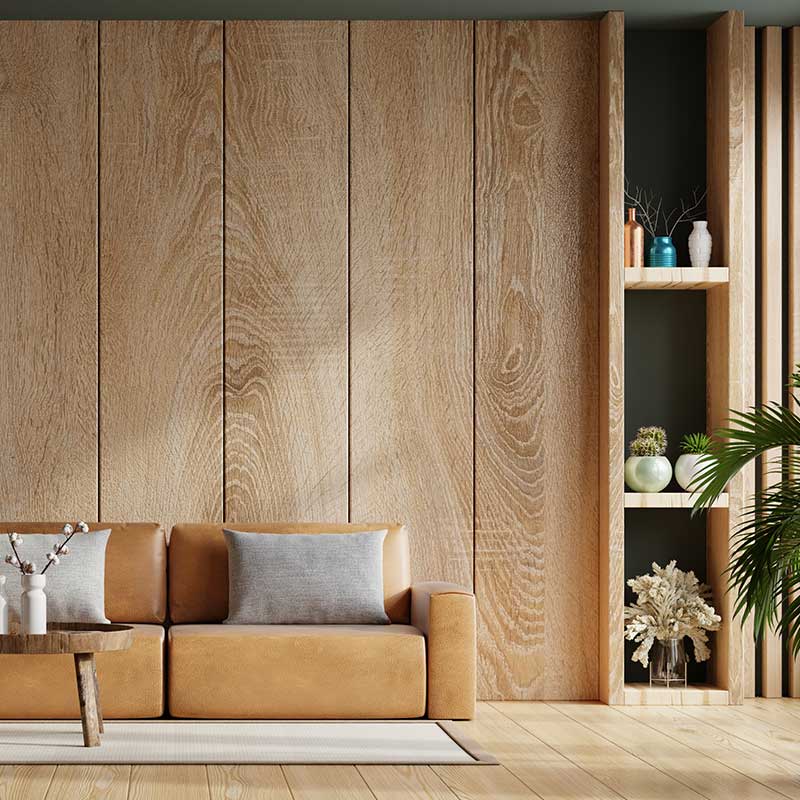
Wood panel decor has moved far beyond its traditional image. What was once associated with classic interiors is now a central element in modern, minimalist, and even luxury design. As interior spaces evolve toward more personalized and functional environments, wood panel decor is becoming a key solution for combining aesthetics, performance, and long-term value.
If you are planning a renovation or looking to upgrade interior spaces, understanding the latest trends, materials, and applications of wood panel decor will help you make better decisions and avoid costly mistakes.
What Is Wood Panel Decor and Why It’s Gaining Popularity
Wood wall panel decor refers to decorative panels made from natural or engineered wood materials that are applied to walls, ceilings, or built-in structures. These panels are designed to enhance visual depth, texture, and warmth while also improving functional performance.
The growing popularity of wood wall panel decor is closely tied to shifts in interior design preferences. According to multiple global interior trend reports published by design research organizations, demand for natural materials and textured surfaces has increased significantly over recent years. This shift reflects a broader movement toward creating comfortable, visually balanced environments rather than purely minimalist spaces.
Another key reason for its popularity is versatility. Wood panel decor can adapt to a wide range of styles, from contemporary to rustic, making it suitable for both residential and commercial projects.
Key Material Trends in Wood Panel Decor for 2026
Material innovation is one of the driving forces behind the rapid adoption of wood wall panel decor. In 2026, the market is seeing a strong balance between performance, sustainability, and cost efficiency.
Engineered wood materials such as MDF and plywood dominate the market due to their stability and affordability. These materials allow for precise manufacturing and consistent finishes, which are essential for modern design.
Veneer panels are gaining traction because they offer the appearance of natural wood while reducing material costs. At the same time, solid wood remains a premium choice for high-end projects where authenticity and durability are priorities.
Sustainability is becoming a decisive factor. Industry sustainability reports indicate that buyers are increasingly prioritizing low-emission materials and responsibly sourced wood products. This has led to the development of eco-friendly panel systems with reduced formaldehyde emissions and recyclable components.
In addition, performance-driven materials such as moisture-resistant and fire-retardant panels are becoming standard in both residential and commercial applications.
Modern Design Styles of Wood Panel Decor
Design trends in wood wall panel decor are moving toward simplicity, texture, and integration. The focus is no longer just on decoration, but on creating cohesive spatial experiences.
Minimalist flat panels are widely used in modern interiors because they create clean lines and uninterrupted surfaces. In contrast, 3D textured panels are gaining popularity for feature walls, where depth and shadow play add visual interest.
Wood slat panels are one of the fastest-growing trends. Their linear structure adds rhythm and structure to spaces while maintaining a natural aesthetic. These panels are often used in living areas and offices to create a balance between openness and definition.
Geometric and custom-designed panels are also emerging in high-end projects. These designs allow for unique visual identities, especially in commercial environments where branding and spatial storytelling are important.
Color and Finish Trends in Wood Panel Decor
Color trends in wood wall panel decor are closely aligned with broader interior design movements. Natural tones continue to dominate, reflecting a preference for organic and calming environments.
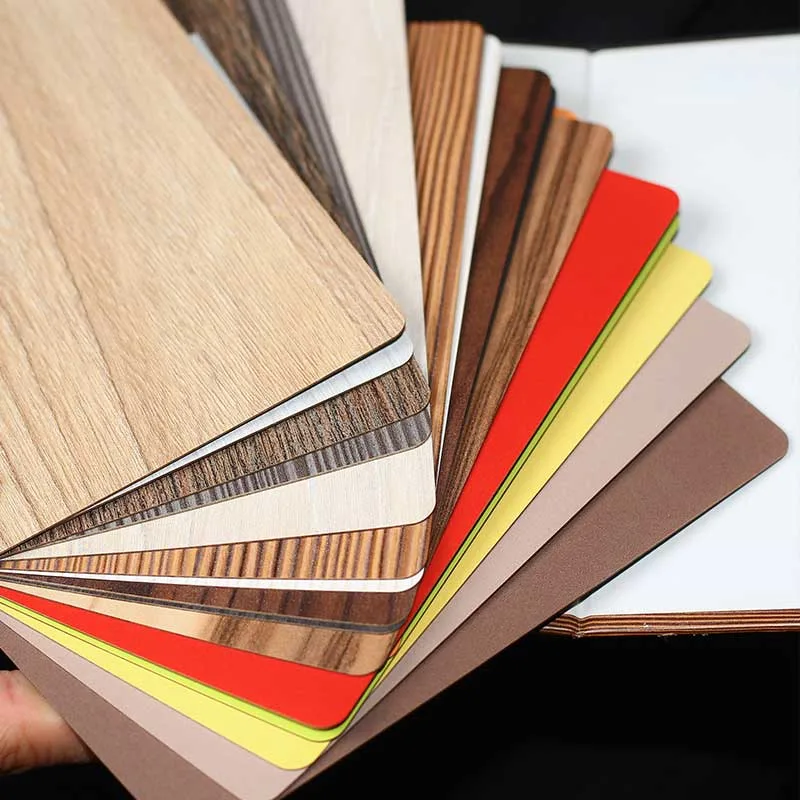
Light wood finishes create a sense of openness and are often used in smaller spaces to enhance brightness. Darker tones, on the other hand, are used to create contrast and add sophistication.
Matte finishes are increasingly preferred over high-gloss surfaces because they reduce reflections and create a more refined look. However, high-gloss panels still have a place in contemporary designs where a sleek and polished effect is desired.
Neutral color palettes remain the most versatile option. They allow wood panel decor to integrate seamlessly with furniture, lighting, and other design elements.
Functional Benefits of Wood Panel Decor in Interior Spaces
While aesthetics are important, the functional benefits of wood panel decor are equally valuable.
One of the most significant advantages is acoustic performance. Wood panel systems, especially slatted and perforated designs, can absorb sound and reduce echo. This makes them ideal for offices, meeting rooms, and open living spaces. According to acoustic design studies, properly designed panel systems can significantly improve sound clarity and comfort.
Thermal insulation is another benefit. Wood-based materials naturally help regulate temperature, contributing to energy efficiency in interior spaces.
Durability is also a key factor. High-quality wood panel decor protects underlying walls from damage, extending the lifespan of interior structures.
Maintenance is relatively simple. Most modern panels are designed with protective coatings that resist stains and scratches, making them suitable for high-traffic areas.
Wood Panel Decor Applications in Different Spaces
Wood panel decor is highly adaptable and can be used in a variety of environments.
In living rooms, it is often used to create feature walls that serve as focal points. These panels add depth and character without overwhelming the space.
In bedrooms, wood panel decor contributes to a warm and relaxing atmosphere. Soft textures and natural tones help create a comfortable environment.
In office spaces, acoustic panels improve sound quality while enhancing visual appeal. This combination is particularly important in collaborative environments.
Commercial spaces such as retail stores and hospitality venues use wood panel decor to create distinctive identities. Custom designs allow brands to express their image through interior elements.
Installation Methods and Best Practices for Wood Panel Decor
Proper installation is essential for achieving the desired visual and functional results.
There are two primary installation methods: adhesive systems and mechanical fixing. Adhesive systems are faster and suitable for lightweight panels, while mechanical systems provide stronger support for heavier or larger panels.
Surface preparation is critical. Walls must be clean, dry, and level to ensure proper adhesion and alignment.
Precision during installation is important. Even small misalignments can affect the overall appearance, especially in linear or patterned designs.
Many projects choose professional installation to ensure accuracy and efficiency, particularly for large-scale or complex designs.
Custom Wood Panel Decor Solutions for Modern Projects
Customization is becoming a standard requirement rather than a luxury option. Modern projects often demand unique sizes, finishes, and patterns to match specific design concepts.
Custom wood panel decor allows for better integration with furniture, lighting, and architectural elements. It also enables designers to achieve consistent visual themes across different spaces.
For commercial projects, customization supports branding and identity creation. Panels can be designed to reflect specific colors, textures, or patterns that align with brand values.
Bulk production capabilities are also important for large projects. Reliable manufacturers offer consistent quality and shorter lead times, which are critical for project timelines.
Market Trends and Buying Guide for Wood Panel Decor in 2026
The wood wall panel decor market is expanding steadily, driven by both residential renovations and commercial developments.
Buyers are becoming more informed and selective. Instead of focusing only on price, they are evaluating factors such as durability, sustainability, and design compatibility.
The table below summarizes key decision factors when selecting wood panel decor:
| Factor | Importance Level | Description |
|---|---|---|
| Material Quality | Very High | Determines durability and appearance |
| Moisture Resistance | High | Important for long-term performance |
| Design Compatibility | Very High | Must match overall interior style |
| Installation Method | Medium | Affects cost and complexity |
| Customization Options | Increasing | Supports unique design needs |
Industry market analyses show that demand for customized and sustainable panel solutions is growing faster than standard products, indicating a shift toward higher-value offerings.
Common Problems and Maintenance Tips for Wood Panel Decor
Despite its advantages, wood wall panel decor can face certain challenges if not properly selected or maintained.
Moisture exposure can cause swelling or deformation in lower-quality materials. Choosing moisture-resistant panels is essential in areas with higher humidity.
Surface scratches may occur in high-traffic areas. Using protective coatings and regular maintenance can reduce damage.
Color fading can happen over time, especially with direct exposure to light. High-quality finishes and UV-resistant coatings help maintain appearance.
Routine maintenance includes cleaning with a soft cloth and avoiding harsh chemicals. Proper care significantly extends the lifespan of the panels.
Future Outlook of Wood Panel Decor in Interior Design

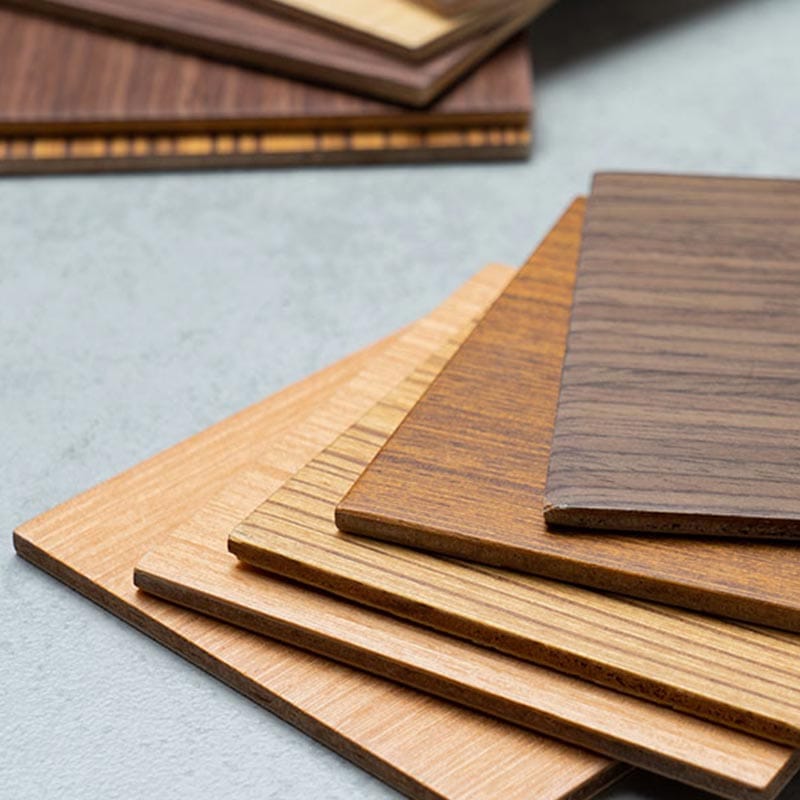
Looking ahead, wood wall panel decor is expected to play an even more important role in interior design.
Sustainability will continue to influence material development, with more eco-friendly options entering the market.
Customization will become more accessible, allowing both homeowners and professionals to achieve tailored designs without significant cost increases.
Integration with smart interior systems is also emerging, where panels may incorporate lighting or acoustic technologies.
Minimalist and multifunctional spaces will remain dominant, and wood panel decor will continue to support these trends by offering both visual and practical benefits.
Conclusion
Wood wall panel decor is no longer just a decorative element. It is a comprehensive solution that combines design, functionality, and long-term value. By understanding the latest trends and applying them thoughtfully, you can create interior spaces that are not only visually appealing but also durable and future-ready.
FAQ
What is wood panel decor used for?
Wood panel decor is used to enhance interior walls and ceilings, adding texture, warmth, and a more refined visual appearance to living or commercial spaces.
Is wood wall panel decor suitable for all rooms?
Yes, wood panel decor can be used in living rooms, bedrooms, offices, and even commercial spaces, as long as the material is appropriate for the environment.
What types of wood panel decor are available?
There are various types including solid wood panels, MDF panels, veneer panels, slat panels, and 3D decorative panels, each offering different styles and functions.
Does wood panel decor require special maintenance?
No special maintenance is needed. Regular dusting and gentle cleaning are usually enough to keep wood panel decor in good condition.
Can wood panel decor improve room acoustics?
Yes, certain types of wood panel decor, especially slatted or perforated panels, can help absorb sound and reduce noise levels in a room.
Need Help Choosing the Right Wood Panel Decor?
If you’re unsure which wood panel decor best fits your interior style, material requirements, or project budget, our experts are here to help. Contact us today for a personalized consultation and get professional guidance on selecting high-quality, durable, and stylish solutions for your space. Don’t wait until installation begins—get in touch now to ensure your project achieves a refined, long-lasting, and visually impressive result!
.jpg)