Table of Contents
Cabinet Veneer Panels: Sanding Without Cutting Through
Cabinet veneer panels should be evaluated against a defined production task. For finishing shops, the priority is to confirm usable veneer thickness and sanding allowance. That turns a broad material search into a decision about the finished component, the process needed to make it and the evidence required before a repeat order.
This guide focuses on that specific buying situation. The useful next step is to finish a trial piece through the complete sanding schedule. In particular, avoid removing defects by sanding past the thin decorative veneer. A clear sample and written specification make it easier to compare cabinet veneer panels offers without relying on a surface photograph or an undefined quality claim.

The decision for finishing shops
Begin the cabinet veneer panels evaluation by separating the part requirement from the general product description. The cabinet veneer panels buyer needs to confirm usable veneer thickness and sanding allowance; the workshop needs a repeatable way to produce the approved result. Put those two responsibilities on one trial sheet with the component drawing, material identity and acceptance decision.
For finishing shops, use the final viewing position and the hardest production detail to define acceptance. Record what the supplied cabinet veneer panels sample represents and what it leaves unresolved. If a finish, hardware arrangement or service condition changes, revisit the relevant trial before assuming the original result still applies. The goal is a cabinet veneer panels order the receiving team can inspect and the workshop can reproduce.
Approve the full finishing route on the actual substrate
Surface preparation, sealing and coating interact with the supplied material. For cabinet veneer panels, trial the complete finishing route rather than inspect only the final color on an unrelated sample. Include the broad face, exposed edge and any routed area so differences in absorption or surface texture become visible before production.
Record preparation stages, coating products and the agreed appearance standard. View the sample under the lighting expected in use and after the specified cure. When approving cabinet veneer panels, count extra sanding or repair work as part of the production result. This provides a realistic conversion cost and prevents a beautiful one-off sample from concealing a finishing route that the workshop cannot repeat reliably at the planned order volume.
Protect thin decorative veneers during sanding
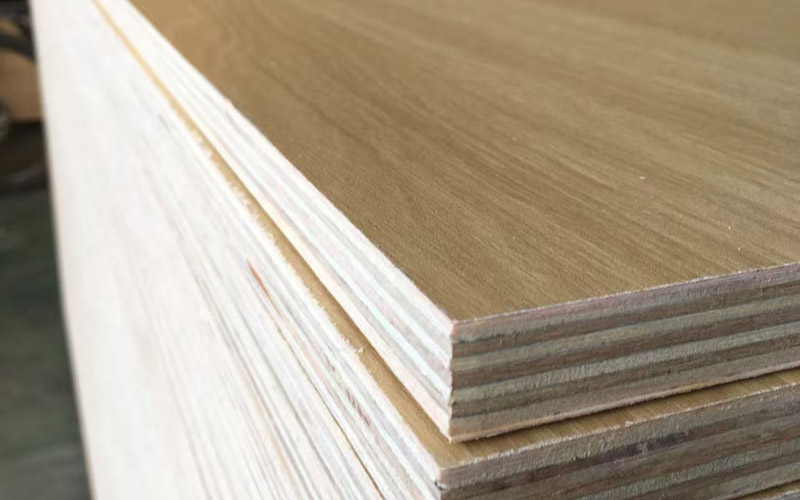
Decorative veneer can be much thinner than the overall plywood panel. Sanding allowance therefore needs to be considered independently of sheet thickness. With cabinet veneer panels, confirm the supplied surface preparation and the finishing shop's sanding sequence. Use a representative trial to determine whether the process removes defects without cutting through the decorative layer.
Inspect corners and edges where pressure can concentrate. Do not approve a stain or clear finish on a different substrate and assume the result will transfer. For cabinet veneer panels, retain the finished control sample with the specified veneer and sanding preparation. A change in face construction or preparation can alter the visible color and texture even when the finish product and nominal plywood thickness remain unchanged.
Resolve broad material names before comparing options
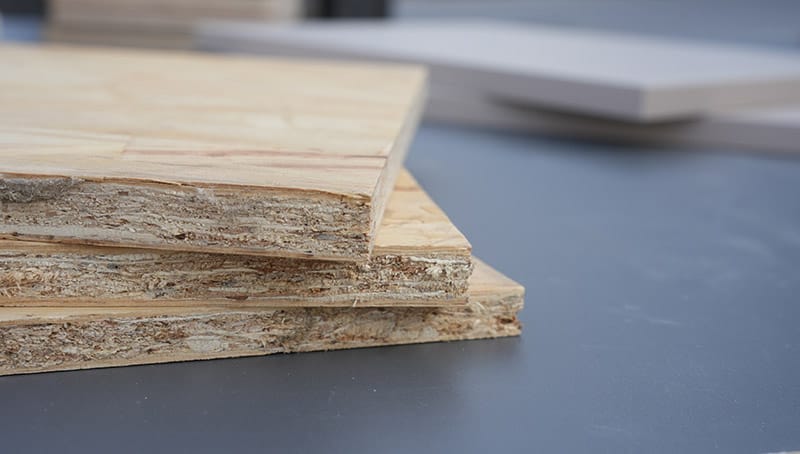
Terms such as engineered wood, composite board or decorative panel cover several constructions. For cabinet veneer panels, identify the actual core and the surface treatment instead of treating those broad terms as a specification. Request a cut section or construction drawing when the supplied name leaves the layers unclear.
Compare the candidate materials in the operation that matters to the final part: routing, hardware installation, edge finishing or appearance across adjacent panels. Keep the same drawing and service conditions for a useful comparison. With cabinet veneer panels, a change in core can alter processing and assembly even if the visible finish looks similar. Record the approved construction in the purchase order so the supplier and workshop are working from the same material definition.
Allow for natural veneer variation
Natural veneer varies in grain, color and figure. The purchasing task is to define an acceptable appearance range and a matching method, rather than promise exact repetition. For cabinet veneer panels, agree on the veneer description, panel sequence and viewing conditions. Review several representative pieces together where the final installation contains adjacent visible faces.
Label approved samples and record which variations are permitted. A single unusually uniform swatch is a poor reference for a large natural-wood order. When specifying cabinet veneer panels, include the corners, joins and replacements that will be visible in use. Planning the appearance range before cutting gives both buyer and fabricator a clearer basis for acceptance and reduces disputes about ordinary wood character after installation.
Compare the cost of an accepted finished part
Use one fixed drawing and production route to compare quotations. For cabinet veneer panels, include material consumption, cutting losses, edging, machining, finishing and expected handling work. Keep the supplier's quote separate from assumed downstream costs, and use trial results where available instead of inventing a rejection allowance.
An illustrative comparison can express cost per accepted part as total trial material and conversion cost divided by accepted trial quantity. Identify whether packing and freight are included so the result has a clear basis. For cabinet veneer panels, the lowest sheet price may still be attractive, but the decision should survive that complete comparison. Record quotation date and validity and refresh commercial figures before placing the order rather than treating a worked example as a current market price.
Preserve veneer sequence in the cutting plan
Visible grain can be broken by a cutting plan that treats every offcut as interchangeable. For cabinet veneer panels, coordinate sheet orientation and component sequence before machining. Assign stable part labels to doors, drawer fronts or wall panels that need to be viewed together. Distinguish the decorative layout from purely geometric nesting.
Dry-assemble the visible set before finishing and compare it with the approved design. Confirm how spare components will be identified and stored. A high-yield cutting plan for cabinet veneer panels remains useful only if the resulting parts meet the appearance requirement. Where grain continuity matters, reserve the necessary material explicitly and include that allowance in the quotation instead of expecting the workshop to recover it from random remaining pieces.

Preserve support, surface protection and lot identity
Storage can change the condition of material that was acceptable at dispatch. For cabinet veneer panels, use dry, suitable supports and follow the supplier's handling instructions. Keep finished faces from rubbing and prevent grit from becoming trapped between them. Maintain access to pack labels so the material remains traceable after arrival.
Inspect the lower sheets and corners as well as the visible top surface before production. Record damage or wet packaging before mixing the delivery with existing stock. With cabinet veneer panels, a receiving photograph and a labeled sample can help distinguish transport damage from an original product issue. Plan unpacking in the order components will be used, especially for matched finishes or pre-machined parts whose identity can be lost when several packs are opened together.
Separate interior facing from wet-service performance
A plywood face may resist routine wiping while its edges, core and glue lines require different protection. For cabinet veneer panels, establish the actual service environment and ask for evidence covering the complete panel construction. Do not infer continuous exterior or wet-service suitability from a smooth melamine surface or a film color.
Review cutouts, end grain exposure, fixing holes and any location that can trap water. The project designer should approve construction use where formal structural or durability requirements apply. For cabinet veneer panels, use product-specific instructions and appropriate test information to support that decision. A decorative indoor product can still be a useful furniture material, but its suitability follows the stated use and the finished detail rather than a broad waterproof marketing label.
Worked example for finishing shops
A routed door face has both broad flat areas and freshly exposed profile surfaces. Apply the complete intended preparation and coating sequence to both. If the flat area is acceptable while the groove remains rough, record the additional preparation the profile needs. For cabinet veneer panels, include that work in the conversion comparison. Do not approve a special hand-finished sample and then omit its labor from the production route. Keep the finished cabinet veneer panels reference with its sanding and coating record so another operator can reproduce the result without guessing how the trial was prepared.
Comparison of three purchasing approaches
| Approach | What it resolves | What remains to check |
|---|---|---|
| Buy from a face sample | Initial color or texture preference | Core, finished detail, component fit and documented use |
| Buy to a written construction | Defined material, dimensions and delivered condition | Whether the workshop can produce the intended finished part |
| Approve a representative finished trial | Construction and processing tested on the relevant component | Commercial-lot consistency and any later material or process changes |
For cabinet veneer panels in finishing shops, the third approach usually provides the clearest evidence for this decision: confirm usable veneer thickness and sanding allowance. It also makes the limits explicit. A finished trial covers its documented construction and conditions; it does not qualify every product sold under the same material name.
A practical trial for this order
Identify the requirement: confirm usable veneer thickness and sanding allowance. Add the drawing revision, intended environment and delivered material construction to the trial record.
Prepare representative cabinet veneer panels samples from the proposed commercial construction. Include both the visible face and the critical machined or assembled detail.
Run the agreed verification: finish a trial piece through the complete sanding schedule. Use the intended equipment, adjacent components and finishing route so the result represents normal production.
Record acceptance and unresolved questions. Specifically check whether the process risks removing defects by sanding past the thin decorative veneer. Keep extra repair or finishing labor visible in the cost comparison.
Retain the approved cabinet veneer panels sample and transfer the same specification to the purchase order. Review a substitution or changed process before releasing the affected repeat batch.
For background on wood structure, moisture, composite panels, joints and finishing, consult the USDA Forest Products Laboratory Wood Handbook. This independent technical reference supports material understanding; it is not a certification or test report for any DA AO product.
Discuss the specified construction with DA AO
DA AO lists melamine-faced plywood within its panel range. Its wood-panel services describe customization of size, thickness, surface finish and decorative pattern. Send the proposed application and drawing so the available construction can be checked against the requirement before quotation.
For a cabinet veneer panels inquiry about finishing shops, include dimensions, quantity, required finish, exposed edges, hardware or fixing details and the evidence needed for approval. Ask the team to confirm the supplied construction and sample arrangement in writing. Use the inquiry form after the FAQ to request a specification review and a quotation based on the same information.
Frequently asked questions
What is the first check when buying cabinet veneer panels for this application?
For finishing shops, first confirm usable veneer thickness and sanding allowance. Identify the supplied construction and put that requirement in the quotation request so the supplier and workshop evaluate the same finished component.
What sample should I request for cabinet veneer panels?
Request representative commercial material, then finish a trial piece through the complete sanding schedule. Keep the drawing, material identity and process conditions with the result. A sample that omits the critical detail cannot establish whether that detail will work in production.
Which mistake should this cabinet veneer panels order avoid?
Avoid removing defects by sanding past the thin decorative veneer. Agree on the intended construction, finished detail and acceptance method before batch processing, then check a representative commercial lot against the retained approval.
Can a supplier substitute another cabinet veneer panels construction?
Review the proposed change against the signed specification and the critical trial. A matching name or finish does not establish equivalent machining, fit or service behavior. Obtain written approval and repeat the affected evaluation where necessary.
What should a cabinet veneer panels quotation include?
Include actual dimensions, quantity, supplied finish, packing and delivery basis, together with the requirements for finishing shops. Identify sample approval and any required technical evidence separately so the commercial offer can be compared consistently.