Table of Contents
Introduction
Kitchen renovation trends are evolving quickly, and one component that has gained significant attention in modern interior design is kitchen cabinet end panels. While often overlooked, these panels play a critical role in both aesthetics and functionality. As kitchens become more integrated into living spaces, homeowners, designers, and contractors are paying closer attention to every finishing detail, including end panels.
This guide explores the most important trends, materials, design directions, and practical considerations shaping kitchen cabinet end panels in 2026 kitchen renovations. It also includes industry insights, comparisons, and real-world application tips to help you make informed decisions.
What Are Kitchen Cabinet End Panels and Why They Matter in Modern Kitchens
Kitchen cabinet side panels are the decorative and protective panels installed on the exposed sides of cabinetry. Unlike cabinet doors, they are not functional storage components, but they play a key role in completing the visual design of a kitchen.
From a design perspective, end panels help create a seamless, built-in look. Without them, cabinets can appear unfinished or inconsistent, especially in open-plan kitchens where every angle is visible.
From a functional perspective, they protect cabinet structures from moisture, heat, and daily wear. Industry research on kitchen durability shows that exposed cabinet edges are more likely to degrade over time compared to covered surfaces, especially in high-humidity environments.
Latest Material Trends for Kitchen Cabinet End Panels in 2026 Kitchen Renovations
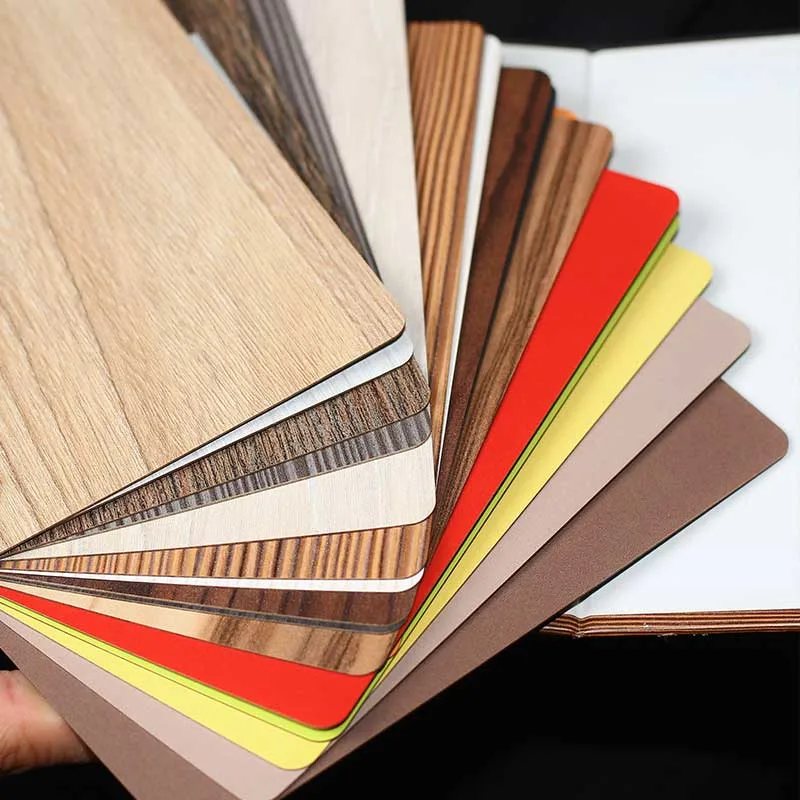
Material selection is one of the most important decisions when choosing kitchen cabinet side panels. In 2026, the market is shifting toward a balance of durability, sustainability, and visual appeal.
Common material trends include:
- Engineered MDF remains widely used due to cost efficiency and smooth finishing
- PVC-based panels are gaining popularity for waterproof and low-maintenance performance
- Natural wood finishes continue to appeal in premium and custom kitchen designs
- Laminated surfaces are preferred for modern, high-gloss or matte aesthetics
- Eco-friendly composite materials are increasingly adopted due to sustainability demand
According to multiple interior material trend reports, demand for moisture-resistant and easy-clean surfaces has increased steadily over recent years, driven by lifestyle changes and open kitchen layouts.
Modern Design Styles of Kitchen Cabinet End Panels
Design preferences are shifting toward clean, minimal, and integrated aesthetics. Kitchen cabinet side panels are no longer treated as secondary components but as part of the overall visual language of the kitchen.
Key design directions include:
- Handleless and flush cabinet systems where end panels create a continuous surface
- Minimalist flat-panel designs with no visible framing
- High-gloss finishes for modern and reflective kitchen environments
- Wood grain textures for warmth and natural balance
- Custom-designed panels that match cabinet doors precisely
The trend toward seamless kitchen design means end panels are increasingly manufactured to match door finishes exactly, reducing visual breaks and improving design continuity.
Color Trends for Kitchen Cabinet End Panels in 2026
Color plays a major role in how kitchen spaces feel. The most dominant color trends for kitchen cabinet end panels include:
- White and soft neutral tones for clean, timeless interiors
- Matte black for bold, modern contrast kitchens
- Natural oak and wood-inspired finishes for organic aesthetics
- Two-tone combinations for layered and dynamic design effects
Neutral palettes continue to dominate due to their flexibility, while darker tones are often used to create focal points or contrast within open kitchen layouts.
Functional Benefits of Kitchen Cabinet End Panels
Beyond aesthetics, kitchen cabinet side panels provide essential functional advantages:
- Protection against moisture exposure and structural wear
- Improved durability of cabinet side structures
- Enhanced hygiene by sealing exposed edges
- Increased resistance to scratches and daily impact
- Easier maintenance compared to unfinished cabinet sides
Field observations in kitchen installations consistently show that cabinets with properly installed end panels maintain structural integrity longer than exposed cabinetry systems.
Kitchen Cabinet End Panels vs Filler Panels Explained
Many users confuse end panels with filler panels, but they serve different purposes in kitchen design.
| Feature | Kitchen Cabinet End Panels | Filler Panels |
|---|---|---|
| Main Function | Cover exposed cabinet sides | Fill gaps between cabinets or walls |
| Visual Role | Finishing and design consistency | Alignment and spacing adjustment |
| Placement | External cabinet ends | Between cabinets or edges |
| Design Impact | High visual importance | Functional support role |
| Customization | High (color, material, finish) | Limited |
Understanding this difference is essential during kitchen planning, especially in modular cabinet systems where precision installation matters.
Installation Trends and Best Practices for Kitchen Cabinet End Panels
Installation methods vary depending on material type and kitchen system design. The most common approaches include adhesive bonding, mechanical fixing, or integrated cabinet frame systems.
Best practices include:
- Ensuring surface alignment before installation
- Using moisture-resistant sealing for long-term durability
- Matching edge banding with cabinet doors
- Avoiding uneven gaps during installation
- Using professional cutting tools for precise fitting
Installation quality directly affects both appearance and lifespan, making precision a critical factor.
Custom Kitchen Cabinet End Panels for Modern Renovations
Customization is one of the fastest-growing trends in kitchen cabinetry. Homeowners and designers increasingly prefer tailored solutions instead of standard sizes.
Custom kitchen cabinet side panels allow:
- Exact matching with cabinet door finishes
- Flexible sizing for non-standard kitchen layouts
- Integration with built-in appliances
- Brand-specific or project-based design consistency
In commercial kitchen projects and large-scale renovations, customization ensures design uniformity and reduces installation errors.
Common Problems and Maintenance Solutions for Kitchen Cabinet End Panels
Like any kitchen surface, end panels can experience wear over time. Common issues include:
- Moisture swelling in low-quality materials
- Surface peeling in laminated finishes
- Color fading due to prolonged exposure
- Edge damage from impact or friction
Maintenance solutions include:
- Using moisture-resistant sealing during installation
- Cleaning with non-abrasive materials
- Replacing damaged panels individually when necessary
- Applying protective coatings in high-use areas
Preventive maintenance significantly extends the lifespan of kitchen cabinet side panels.
Future Outlook of Kitchen Cabinet End Panels in Interior Design
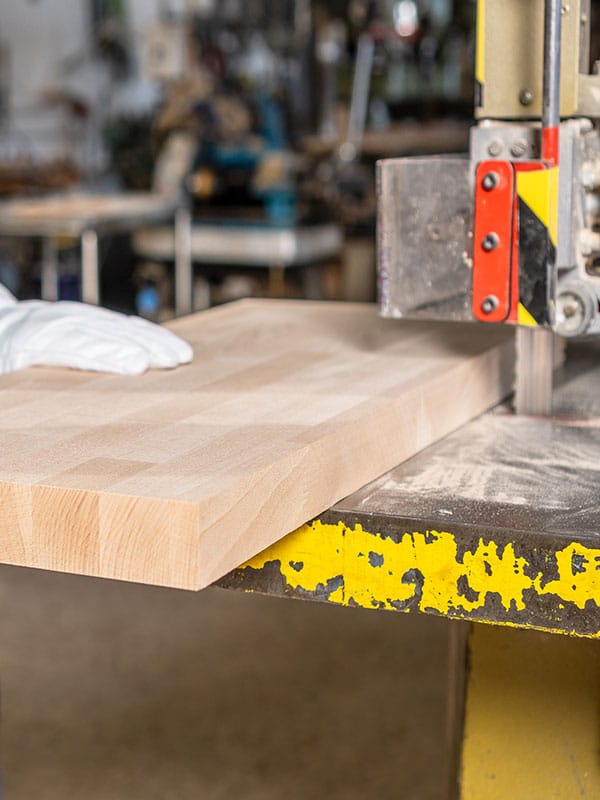
The future of kitchen cabinet side panels is closely tied to broader interior design trends. Several key directions are shaping the industry:
- Increased demand for sustainable and recyclable materials
- Growth in fully customized kitchen systems
- Expansion of seamless and handleless kitchen designs
- Integration of smart home-friendly kitchen layouts
As kitchens continue to evolve into multifunctional living spaces, every design detail, including end panels, is expected to play a more intentional and functional role.
Conclusion
Kitchen cabinet end panels may seem like a small component, but they have a significant impact on both the durability and visual quality of modern kitchens. Understanding materials, design trends, and installation practices helps ensure better long-term performance and more refined kitchen aesthetics.
FAQ
What are kitchen cabinet end panels?
Kitchen cabinet end panels are decorative side panels used to cover exposed cabinet ends, creating a finished and seamless kitchen appearance.
Why are kitchen cabinet end panels important?
They improve kitchen aesthetics and protect cabinet sides from moisture, scratches, and daily wear.
What materials are used for kitchen cabinet end panels?
Common materials include MDF, plywood, solid wood, laminate, and PVC, depending on durability and design needs.
Can kitchen cabinet end panels be customized?
Yes, they can be customized in size, color, finish, and material to match specific kitchen cabinet designs.
How do you maintain kitchen cabinet end panels?
Regular cleaning with a soft cloth and avoiding harsh chemicals helps maintain their appearance and extends their lifespan.
Need Help Choosing the Right Kitchen Cabinet End Panels?
If you’re unsure which kitchen cabinet end panels best suit your kitchen design, material requirements, or project budget, our experts are here to help. Contact us today for a personalized consultation and get professional guidance on selecting durable, stylish, and high-quality solutions for your cabinetry needs. Don’t wait until the final installation—get in touch now to ensure your kitchen project achieves a flawless and long-lasting finish!
.jpg)