Table of Contents
Wood veneer wall panels are an increasingly popular choice in modern interior design, offering the natural beauty of wood with greater flexibility and efficiency. Whether you’re upgrading a residential space or designing a commercial environment, these panels provide a refined aesthetic while maintaining practical performance. This guide will help you understand how to choose, design, and maintain wood veneer wall panels for long-lasting results.
Introduction
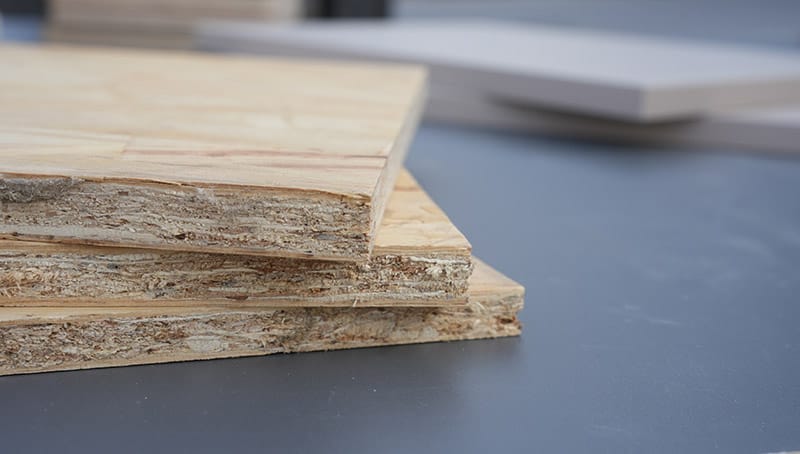
Wood veneer wall panels are made by bonding a thin layer of natural wood veneer onto a core material such as MDF, plywood, or composite board. This structure allows you to enjoy the authentic look of real wood while improving stability and reducing material usage. According to materials engineering studies, veneer-based panels offer better resistance to warping compared to solid wood in controlled environments.
Types of Wood Veneer Wall Panels
Understanding the different types of wood veneer panels will help you select the right option for your project:
- Natural Wood Veneer Panels: Feature real wood grain patterns, offering a premium and authentic appearance.
- Engineered Veneer Panels: Manufactured for consistency in color and texture, ideal for large-scale projects.
- Reconstituted Veneer Panels: Made from fast-growing wood species, designed to mimic rare wood grains.
- Textured Veneer Panels: Include embossed or grooved surfaces for added depth and visual interest.
- Backed Veneer Panels: Reinforced with paper, fabric, or fleece backing for easier installation.
Benefits of Wood Veneer Wall Panels
Wood veneer wall panels offer a balance of aesthetics and functionality:
- Provide a natural wood appearance without the weight of solid wood
- Offer improved dimensional stability and reduced risk of cracking
- Allow efficient use of wood resources
- Adapt to various interior styles, from modern to classic
- Easy to cut, shape, and install for custom designs
Popular Design Applications
Wood veneer wall panels can be used creatively in many interior spaces:
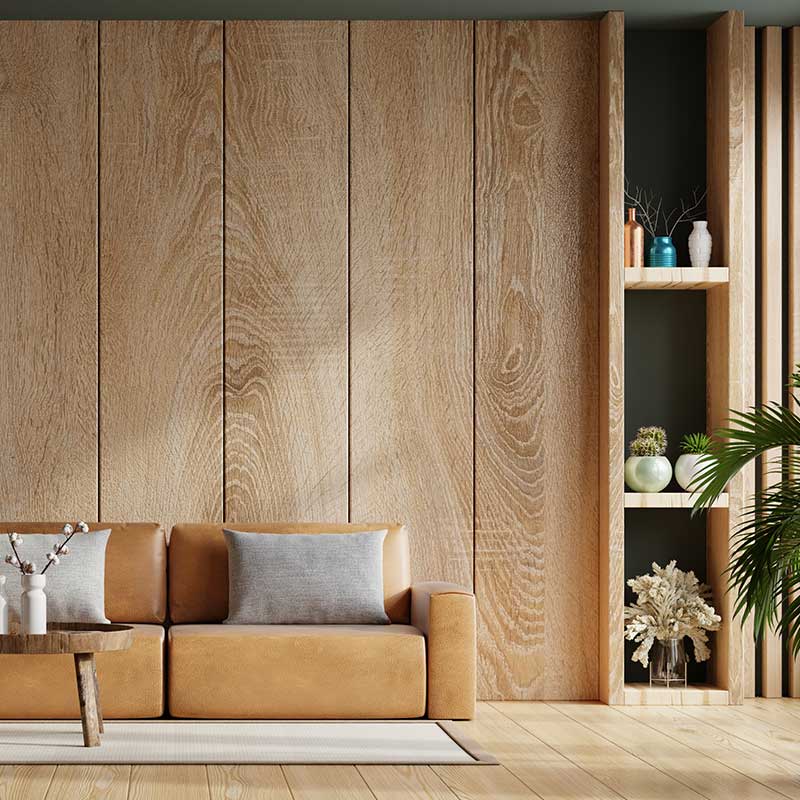
- Feature walls in living rooms or reception areas
- Headboard walls in bedrooms
- Office interiors for a professional and warm atmosphere
- Hospitality environments such as lounges and meeting rooms
- Ceiling paneling for a cohesive design concept
Choosing the Right Wood Veneer Finish
Selecting the right finish is essential for achieving your desired look:
- Matte Finish: Offers a subtle and natural appearance
- Gloss Finish: Reflects light and enhances brightness
- Stained Veneer: Highlights wood grain while adjusting color tone
- Textured Finish: Adds tactile depth and visual interest
Consider lighting conditions and furniture tones when choosing finishes to maintain visual harmony.
Installation Methods and Best Practices
Proper installation ensures durability and a professional result:
- Adhesive Installation: Suitable for flat and smooth wall surfaces
- Mechanical Fastening: Provides extra stability for larger panels
- Modular Systems: Allow faster installation with pre-designed panel units
Preparation is key. Ensure the wall is clean, dry, and level before installation. Professionals are recommended for complex layouts or large areas.
Panel Performance Overview
Below is a comparison of common wood veneer wall panel types based on performance and design characteristics:
| Panel Type | Durability | Aesthetic Appeal | Surface Texture | Ideal Applications |
|---|---|---|---|---|
| Natural Veneer Panels | High | Authentic & warm | Smooth or grained | Living rooms, offices |
| Engineered Veneer Panels | Medium | Consistent & modern | Uniform | Commercial interiors |
| Reconstituted Veneer | Medium | Unique & patterned | Smooth | Feature walls |
| Textured Veneer Panels | High | Artistic & dynamic | Embossed or grooved | Accent walls, focal areas |
| Backed Veneer Panels | Medium | Flexible & clean | Smooth | Curved surfaces, custom designs |
This comparison highlights how different panel types serve different design and functional purposes, helping you choose based on your project goals.
Maintenance and Care
Maintaining wood veneer wall panels is straightforward with proper care:
- Dust regularly using a soft cloth or microfiber duster
- Clean with a slightly damp cloth and avoid excessive moisture
- Avoid harsh chemicals that can damage the veneer surface
- Apply protective coatings if necessary to extend lifespan
With proper maintenance, wood veneer panels can retain their appearance for many years.
Common Mistakes to Avoid
- Installing panels on uneven or damp walls
- Ignoring expansion gaps in large installations
- Choosing finishes that conflict with lighting or decor
- Using unsuitable panels in high-humidity environments
Avoiding these issues will help ensure a long-lasting and visually appealing result.
Conclusion
Wood veneer wall panels offer an excellent combination of natural beauty, versatility, and performance. By selecting the right type, finish, and installation method, you can create a refined and durable interior space. Whether you prefer a minimalist modern look or a warm natural aesthetic, these panels provide endless design possibilities.
FAQ
What are wood veneer wall panels made of?
Wood veneer wall panels are constructed by bonding a thin layer of natural wood veneer onto a stable core material such as MDF, plywood, or engineered board. This structure allows the panels to maintain the authentic look and texture of real wood while improving dimensional stability, reducing material usage, and making them easier to handle and install in interior applications.
Are wood veneer wall panels durable?
Yes, wood veneer wall panels are designed to be durable and stable when used in interior environments. The engineered core helps prevent issues like cracking or warping that can occur with solid wood. When properly installed and maintained, they can maintain their appearance and performance for many years in residential or commercial spaces.
Can wood veneer panels be used for feature walls?
Absolutely, wood veneer panels are an excellent choice for feature walls. Their natural grain patterns and warm tones create visual depth and a strong focal point in any room. They are commonly used in living rooms, bedrooms, offices, and hospitality spaces to enhance the overall design and create a more refined and inviting atmosphere.
How do I clean wood veneer wall panels?
Cleaning wood veneer wall panels is simple and requires minimal effort. Regular dusting with a soft cloth or microfiber duster helps maintain their appearance. For deeper cleaning, use a slightly damp cloth, but avoid excessive moisture. Harsh chemicals or abrasive cleaners should not be used, as they can damage the veneer surface and reduce its lifespan.
Can wood veneer panels be customized?
Yes, wood veneer panels are highly customizable. They can be cut into different sizes, shaped into unique designs, and finished with stains, paints, or coatings to match various interior styles. Advanced techniques such as CNC cutting or pattern layout design also allow for intricate and personalized wall features.
Need Help Choosing the Right Wood Veneer Wall Panels?
If you’re unsure which type or finish best suits your project, our experts are here to help. Contact us today for a personalized consultation, and ensure your interior design is both stylish and long-lasting. Don’t wait—get in touch now to elevate your space with premium wood veneer solutions!
.jpg)