Table of Contents
Introduction
Wood panels have become one of the most influential materials in modern interior design. From residential spaces to commercial environments, they are widely used to create warmth, texture, and visual depth. As design preferences evolve toward natural, sustainable, and multifunctional materials, wood panels are expected to play an even more important role in 2026 interior projects.
This guide explores the latest wood panel trends, including materials, design styles, applications, and future directions shaping the industry.
What Are Wood Panels in Interior Design
Wooden panels are flat or engineered surfaces made from natural wood or wood-based materials. They are used for walls, ceilings, furniture surfaces, and decorative features in interior spaces.
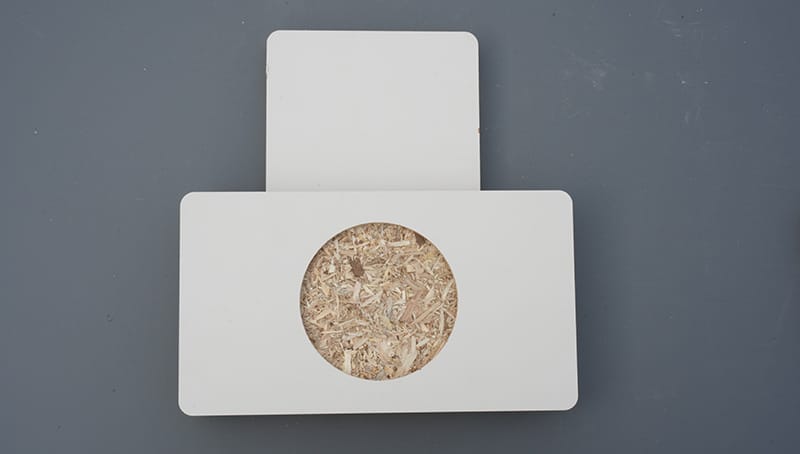
Depending on the design and application, wood panels can be made from solid wood, plywood, MDF, veneer, or engineered composites. Each type offers different levels of durability, cost efficiency, and aesthetic appeal.
Wooden panels are valued not only for their appearance but also for their ability to improve acoustics, insulation, and overall spatial quality.
Why Wood Panels Are Trending in 2026
The popularity of wooden panels continues to grow due to several key factors:
- Increasing demand for natural and warm interior aesthetics
- Shift toward sustainable and eco-friendly building materials
- Growing preference for textured and layered wall surfaces
- Expansion of modular and customizable interior systems
Industry design reports indicate that natural material-based interiors are becoming a dominant trend in both residential and commercial projects, with wood panels leading this shift.
Key Material Trends in Wooden Panels
Material innovation is shaping how wooden panels are used in modern interiors.
Engineered Wood Panels
Engineered wood remains a core material due to its stability, affordability, and scalability in production.
Veneer Wood Panels
Veneer panels offer a natural wood appearance with improved cost efficiency, making them ideal for premium yet budget-conscious designs.
MDF Wood Panels
MDF panels provide a smooth surface suitable for painting, laminating, and decorative finishes.
Solid Wood Panels
Solid wood is used in high-end interiors where authenticity and natural grain patterns are prioritized.
Eco-Friendly Panels
Sustainable wooden panels made from recycled materials and low-emission adhesives are increasingly in demand.
Design Style Trends for Wooden Panels
Design trends in 2026 focus on simplicity, texture, and customization.
Minimalist Wood Panels
Clean and smooth surfaces are widely used in modern interiors to create a calm and balanced environment.
Vertical Slat Designs
Vertical wood paneling adds height and rhythm to spaces, making rooms appear more structured and spacious.
Textured and 3D Panels
Three-dimensional wood surfaces are gaining popularity for feature walls and accent designs.
Mixed Material Combinations
Wood panels are increasingly combined with metal, glass, or stone to create dynamic interior compositions.
Color and Finish Trends
Color and finish play a major role in defining the visual impact of wooden panels.
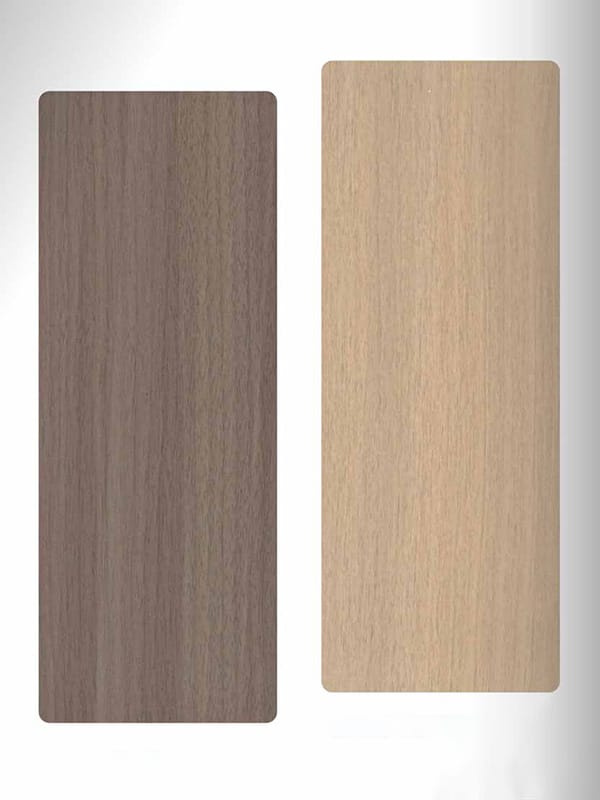
- Natural wood tones remain the most popular due to their timeless appeal
- Light oak and ash finishes are widely used in minimalist interiors
- Dark walnut and espresso tones create contrast and depth
- Matte finishes are preferred for modern, subtle aesthetics
- Light brushed textures enhance natural grain visibility
These finishes allow designers to create flexible and visually balanced interiors.
Applications of Wooden Panels in Interior Design
Wooden panels are used across a wide range of interior applications:
- Residential interiors such as living rooms, bedrooms, and hallways
- Office environments including meeting rooms and reception areas
- Retail and commercial spaces for branding and feature walls
- Hospitality projects such as hotels and lounges
- Architectural wall and ceiling systems for large-scale designs
Their versatility makes them suitable for both decorative and functional purposes.
Benefits of Using Wooden Panels
Wood panels offer multiple advantages in interior design:
Aesthetic Value
They bring natural warmth and texture to interior spaces.
Durability
High-quality panels are resistant to wear and long-term use.
Acoustic Performance
Wood surfaces help reduce noise and improve sound quality.
Thermal Efficiency
They contribute to better insulation and energy efficiency.
Design Flexibility
Available in multiple finishes, patterns, and formats for different design needs.
Comparison of Wooden Panel Types
| Type | Durability | Cost Level | Appearance | Maintenance | Best Application |
|---|---|---|---|---|---|
| Solid Wood | High | High | Premium natural | Medium | Luxury interiors |
| Veneer Panels | Medium-High | Medium | Natural wood look | Low-Medium | Residential & commercial |
| MDF Panels | Medium | Low | Smooth finish | Low | Painted interiors |
| Plywood Panels | High | Medium | Natural grain | Medium | Structural use |
| Engineered Panels | High | Medium | Versatile | Low | General applications |
Installation Trends and Techniques
Modern wooden panel installation focuses on efficiency and design precision.
- Modular installation systems for faster assembly
- Hidden fastening techniques for seamless surfaces
- Full-wall panel coverage for continuous design flow
- Combination layouts for layered visual effects
Proper installation ensures durability and enhances overall design quality.
Sustainability in Wooden Panel Design
Sustainability is becoming a key driver in material selection.
Modern wooden panels increasingly use:
- Recycled wood fibers
- Low-VOC adhesives
- Water-based coatings
- Sustainable forestry sources
These innovations support environmentally responsible interior design practices while maintaining performance standards.
Future Outlook for Wooden Panels

The future of wooden panels in interior design is evolving rapidly.
Key developments include:
- Integration with smart acoustic and lighting systems
- Advanced digital printing for customized surfaces
- Increased use of hybrid material compositions
- Growth of modular and prefabricated interior systems
- Stronger focus on sustainability and circular materials
These trends indicate that wooden panels will remain a core material in modern interior design.
Conclusion
Wood panels continue to shape interior environments by combining natural aesthetics, functionality, and adaptability. As 2026 design trends move toward sustainable and flexible solutions, wood panels will remain a key material for creating modern, stylish, and functional spaces.
FAQ
What is a wood panel used for in interior design?
A wooden panel is used for walls, ceilings, and furniture surfaces to add natural texture, warmth, and durability. It is widely applied in residential and commercial interiors for both decorative and functional purposes.
What types of wooden panels are available?
Common types include solid wooden panels, plywood panels, MDF panels, veneer panels, and engineered wood panels. Each type varies in cost, durability, appearance, and suitability for different interior applications.
Are wooden panels suitable for modern interiors?
Yes, wooden panels are widely used in modern interiors. They fit minimalist, luxury, and contemporary designs by adding natural texture and visual depth while maintaining a clean and stylish appearance.
How do you maintain wooden panels?
Wooden panels require simple maintenance such as regular dusting and gentle cleaning with a soft cloth. Avoid excessive moisture and harsh chemicals to preserve their finish and extend lifespan.
What are the benefits of using wooden panels?
Wooden panels offer durability, aesthetic appeal, insulation benefits, and acoustic improvement. They are also versatile in design, making them suitable for various interior styles and functional requirements.
Need Help Choosing the Right Wooden Panel?
If you’re unsure which wood panel is best for your interior design, furniture project, or construction needs, our experts are here to help. Contact us today for a personalized consultation and get professional guidance on selecting durable, high-quality, and cost-effective wood panel solutions. Don’t wait until your project starts—get in touch now to ensure your space achieves a natural, stylish, and long-lasting finish!
.jpg)