Key Takeaways
Before diving in, here’s what you will discover in this article:
- Essential types of furniture wood panels and their unique characteristics
- How to select the right panel for your interior design needs
- Expert tips on installation and finishing for a polished look
- Comparative data on panel durability, cost, and versatility
- Real-world case studies demonstrating elegant interiors with furniture wood panels
Table of Contents
Introduction
In modern interior design, furniture wood panels play a critical role in defining the aesthetic and functional quality of a space. Whether you are creating a luxurious living room, a professional office, or a cozy bedroom, the choice of panels can transform an ordinary room into a sophisticated environment. Designers and architects emphasize that selecting the right type of furniture wood panels not only enhances the visual appeal but also impacts durability, maintenance, and cost-efficiency.
According to the American Society of Interior Designers, furniture wood panels account for nearly 30% of material choices in mid-to-high-end residential projects due to their adaptability, variety, and long-lasting nature. Understanding the secrets of using different types of panels effectively can help homeowners and designers achieve elegance while staying within budget.
Secret 1 – Choosing the Right Type of Furniture Wood Panels
Not all furniture wood panels are created equal. Selecting the appropriate type requires considering factors such as durability, texture, finish, cost, and even environmental impact. With so many options on the market, understanding the specific advantages and limitations of each panel type is crucial for achieving both aesthetic elegance and long-term performance.
OSB (Oriented Strand Board)
.jpg)
OSB is made by compressing layers of wood strands with adhesives, resulting in a strong, structurally sound panel. It is widely used in cabinets, shelving, and partitions for contemporary interiors. Its unique layered composition gives it resistance to bending and warping, making it ideal for furniture that needs to support significant weight.
- Thickness Range: 9–25 mm
- Density: Approximately 650–700 kg/m³
- Load Capacity: Up to 30% higher than standard plywood of the same thickness
- Applications: Wall-mounted shelves, modular cabinets, decorative panels with laminate or veneer finishing
Although OSB has traditionally been considered a structural material rather than a decorative one, modern finishes, including UV coating and laminated veneers, have made it a viable option for visible furniture components in loft-style apartments and minimalist designs.
Melamine Faced Particleboard (MFC)
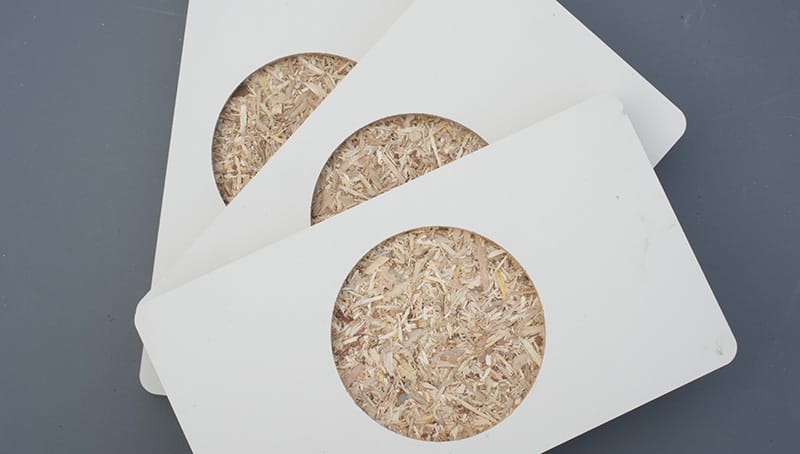
Melamine Faced Particleboard combines wood particles with resin and is then laminated with melamine paper to create a smooth, durable surface. Its versatility, wide range of colors, and patterns make it ideal for office desks, kitchen cabinets, wardrobes, and modern furniture.
- Thickness Range: 16–25 mm
- Density: Around 650–750 kg/m³
- Surface Hardness: 2–3 Mohs scale
- Advantages: Scratch-resistant, stain-resistant, easy to clean, cost-effective
- Applications: High-traffic furniture, commercial office interiors, cabinetry
Interior designer Amanda Collins emphasizes that MFC is an excellent choice for spaces where both aesthetic quality and budget efficiency are required. Using underlayment coatings can increase its lifespan by up to 20%, especially in areas subjected to frequent handling or wear.
Solid Wood Panel Doors
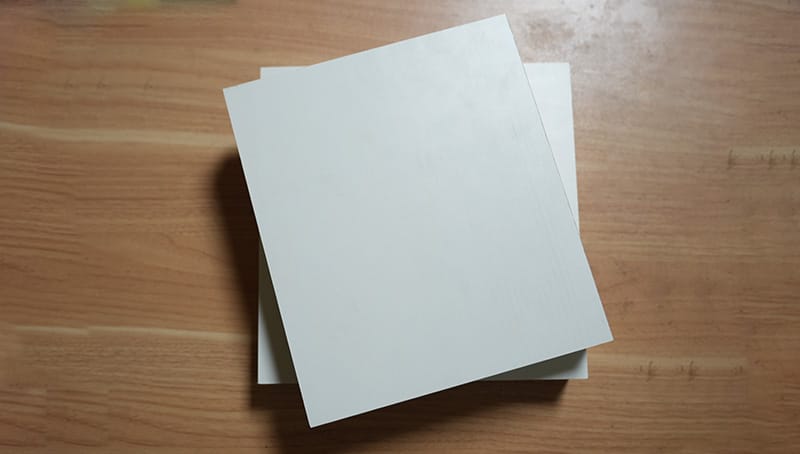
Solid wood panels are the premium choice for luxurious interiors. Natural grains, customizable stains, and long-term durability make them unmatched for high-end cabinetry and doors.
- Thickness Range: 20–40 mm
- Density: Varies by species (e.g., oak 700–750 kg/m³, maple 650–720 kg/m³)
- Longevity: Can last over 50 years with proper maintenance
- Applications: Doors, classic furniture, high-end cabinetry
Solid wood panels can be carved, veneered, or painted to meet design requirements. While they are more expensive than engineered boards, their elegance and longevity often justify the investment.
Oriented Strand Board (OSB) Variants
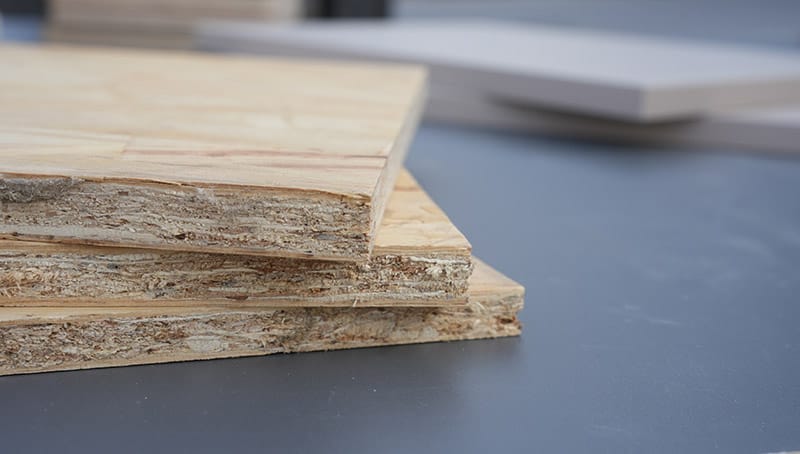
Some manufacturers offer decorative OSB with smoother surfaces, finer strands, and pre-applied finishes. These variants are suitable for furniture exposed to view, bridging the gap between functionality and aesthetics. For example, pre-laminated OSB can simulate oak or walnut textures for budget-friendly luxury furniture.
Selecting the right type of furniture wood panel depends on both design intent and practical requirements. Combining multiple types—such as using MFC for shelves and solid wood for cabinet doors—can optimize both cost and elegance.
Secret 2 – Understanding Durability and Maintenance
Durability and maintenance are critical factors in furniture longevity.
- OSB: Excellent structural strength but susceptible to moisture. To prevent warping or swelling, OSB should be sealed with water-resistant coatings or laminates.
- MFC: Resistant to scratches and stains, making it ideal for kitchens, offices, and commercial interiors. Routine cleaning with mild detergents is sufficient, and UV-coated surfaces enhance longevity.
- Solid Wood Panels: Naturally durable but sensitive to humidity and direct sunlight. Polishing with natural oils or polyurethane maintains appearance and prevents cracking or fading.
Expert Opinion
According to John Peterson, an architectural consultant specializing in sustainable interiors, “Combining engineered boards with solid wood in one project not only improves durability but also reduces long-term maintenance costs while maintaining design sophistication.”
Secret 3 – Design Versatility and Aesthetic Appeal
Furniture wood panels offer unparalleled flexibility in design.
- OSB: Can be painted, laminated, or veneered to mimic exotic textures. Ideal for industrial lofts or Scandinavian-style interiors where raw textures are desired.
- MFC: Offers endless color palettes and patterns, suitable for modern kitchens, office interiors, and wardrobes. Laminates can include wood grains, metallic effects, or solid colors.
- Solid Wood Panels: Oak, maple, cherry, and walnut can be carved, veneered, or stained to create intricate designs. Perfect for luxury cabinetry, doors, and decorative panels.
Table: Comparative Overview of Popular Furniture Wood Panels
| Panel Type | Thickness Range | Durability | Cost per m² (USD) | Ideal Use Cases | Finish Options |
|---|---|---|---|---|---|
| OSB | 9–25 mm | High | 12–20 | Cabinets, shelves, structural furniture | Painted, laminated |
| Oriented Strand Board | 12–22 mm | High | 15–25 | Shelving, partitions | Laminated, veneered |
| Melamine Faced Particleboard | 16–25 mm | Medium | 18–30 | Kitchen cabinets, wardrobes, office furniture | Laminate, foil, UV coating |
| Solid Wood Panel Door | 20–40 mm | Very High | 40–80 | Doors, luxury furniture | Stained, varnished, painted |
This table helps homeowners and designers make informed choices based on budget, durability, and aesthetic goals.
Secret 4 – Installation and Finishing Techniques for Elegance
Installation and finishing play a pivotal role in achieving elegance. High-quality panels installed poorly can undermine even the best design. Key techniques include:
- Edge Banding: Essential for particleboard and OSB to prevent chipping and maintain a smooth finish.
- Sealing and Coating: Water-resistant varnish on OSB and UV coatings on MFC improve durability and appearance.
- Polishing Solid Wood: Applying natural oils, wax, or polyurethane highlights wood grain and provides a lustrous finish.
- Precision Cutting: CNC cutting ensures seamless joints and reduces visible gaps in complex furniture assemblies.
Pre-assembling panels in a controlled environment minimizes warping and ensures a polished final product. Designers often recommend combining panels of different materials for a layered look—solid wood doors with MFC interiors, for example—achieving both beauty and practicality.
Secret 5 – Real-World Applications and Case Studies
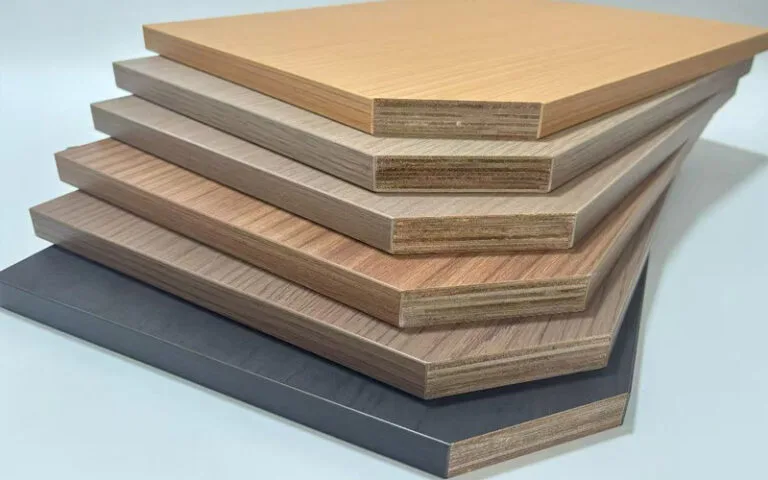
Real-life applications highlight the versatility and elegance of furniture wood panels.
Case Study 1 – Residential Modern Living Room
A New York loft incorporated OSB feature walls with solid wood furniture to create a rustic yet elegant environment. Cost efficiency was maintained without compromising aesthetic appeal, and the OSB was finished with a matte lacquer for durability.
Case Study 2 – Luxury Office Interiors
A San Francisco tech office used Melamine Faced Particleboard for desks and shelving. UV-coated surfaces provided scratch resistance, and a combination of laminated finishes delivered a polished, professional appearance.
Case Study 3 – Custom Cabinetry Projects
In a high-end kitchen project in Los Angeles, solid wood panel doors were selected for their elegance and longevity. Oak veneers were combined with MFC for internal shelving, balancing cost and aesthetics. Designer Amanda Collins emphasized that integrating multiple panel types enhanced both functionality and visual appeal.
According to architectural consultant John Peterson, “Strategically mixing panels—solid wood for high-visibility areas, MFC for internal components, and OSB for structural parts—achieves a balance between elegance, durability, and cost-efficiency.”
Conclusion
Furniture wood panels offer unmatched versatility in interior design. By understanding the unique properties of OSB, Melamine Faced Particleboard, Oriented Strand Board, and Solid Wood Panel Doors, homeowners and designers can achieve elegant, functional, and durable interiors. Attention to selection, finishing, and installation ensures that every panel contributes to a polished, sophisticated space.
By applying these five secrets, your next interior project can transform from ordinary to extraordinary, combining both beauty and practicality for years to come.
FAQ
Q1: Can OSB panels be used for visible furniture pieces?
A1: Yes, OSB can be finished with paint or laminate for a modern aesthetic, though it is commonly used for structural components.
Q2: How durable is Melamine Faced Particleboard compared to solid wood?
A2: MFC is scratch-resistant and low-maintenance but less durable than solid wood, which lasts decades with proper care.
Q3: Are solid wood panel doors worth the investment?
A3: Absolutely. They provide unmatched elegance, long-term durability, and can significantly enhance property value.
Q4: What maintenance is required for OSB and MFC furniture?
A4: OSB requires sealing to prevent moisture damage; MFC should be cleaned with mild detergents and protected from prolonged exposure to water.
Q5: Can I mix different types of furniture wood panels in one room?
A5: Yes. Many designers combine panels like OSB for shelving, MFC for cabinets, and solid wood for doors to optimize cost and aesthetics.
Thank you for reading!
I’m glad you joined me on this journey. If you found this content useful or interesting, I would love to hear your thoughts.
- Follow me on Facebook for tips, updates, and community discussions.
Click here to connect - Subscribe to my YouTube channel for tutorials, demonstrations, and practical insights.
Click here to subscribe
Feel free to share your feedback or questions in the comments or on social media. Let’s keep learning and growing together!
-3.jpg)
.jpg)