Índice
Introdução
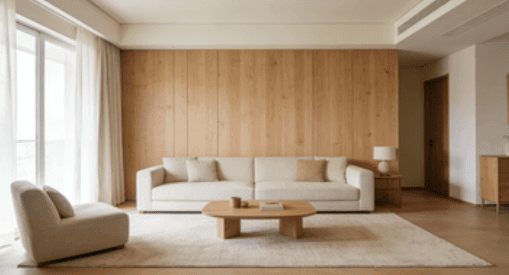
Decorative wood panels continue to transform interior and exterior spaces in 2026, offering designers and homeowners new opportunities to combine aesthetics, functionality, and sustainability. Modern decorative wood panels not only enhance visual appeal but also contribute to eco-friendly construction practices, acoustic performance, and thermal insulation. Whether for residential living rooms, office interiors, or outdoor facades, these panels have become essential elements for creating contemporary, stylish, and practical spaces. This article explores the most significant trends in decorative wood panels for 2026, providing insights into materials, finishes, patterns, and installation practices.
Trending Materials in Decorative Wood Panels for 2026
Painéis de Madeira Maciça
In 2026, solid wood panels remain a cornerstone of high-end interior design across the globe. Their natural warmth, durability, and timeless aesthetic continue to appeal to designers and homeowners alike. Sustainably sourced species such as oak, maple, ash, and walnut are particularly popular in North America and Europe, where clients increasingly prioritize eco-certified materials. In Asia, lighter woods like birch and bamboo are gaining traction for modern residential projects, blending traditional craftsmanship with contemporary minimalism.
The 2026 trend emphasizes subtle finishes that highlight the natural grain and texture of the wood. Matte and lightly polished surfaces are favored for living rooms, dining areas, and feature ceilings, where visual impact is critical. In urban apartments, designers are using solid wood panels to create warm, inviting atmospheres that contrast with industrial or concrete elements. Certification, such as FSC or PEFC, is now considered essential, reflecting a global demand for environmentally responsible building practices.
Engineered Wood Panels
Engineered wood panels have advanced significantly in 2026 to meet the demands of modern construction. These panels consist of layered veneers or high-density fiberboard, treated to resist moisture, shrinkage, and warping. They are particularly suited for kitchens, bathrooms, and areas with fluctuating humidity. In European cities such as Berlin, London, and Stockholm, engineered wood panels are widely used in open-plan apartments to maintain structural integrity while achieving aesthetic versatility. In North American urban centers like New York and Toronto, engineered panels are increasingly used for commercial office spaces due to their consistent quality and adaptability to custom finishes.
One of the key 2026 trends is the variety of textures and finishes offered by engineered panels. Designers can choose from matte, semi-gloss, or high-gloss lacquered surfaces, creating options suitable for minimalist, contemporary, or luxurious interiors. Moreover, advancements in sustainable engineering now allow panels to use recycled wood fibers, enhancing both environmental credentials and appeal to eco-conscious clients.
Reclaimed Wood Panels
Reclaimed wood panels are a standout trend in 2026, reflecting a global movement towards sustainability and authenticity. These panels are made from previously used wood, such as beams, floorboards, or industrial scraps, and each piece carries a unique texture and patina that cannot be replicated with new wood. In the United States, reclaimed panels are popular in rustic-style restaurants and boutique hotels, where a sense of history adds character. In Europe, particularly in Scandinavian countries, reclaimed panels are integrated into modern homes to provide warmth and visual interest without compromising clean, minimalist lines.
Beyond aesthetics, reclaimed wood supports environmentally conscious practices by reducing landfill waste and conserving natural resources. Designers in Australia and New Zealand are exploring combinations of reclaimed wood with modern finishes, creating a blend of rustic authenticity and contemporary style. This approach allows interiors to feel both cozy and highly curated.
Composite Wood Panels
Composite wood panels are increasingly popular in 2026 due to their enhanced durability and functional versatility. Composed of wood fibers mixed with resins, these panels can withstand moisture, UV exposure, and physical impact, making them suitable for both interior and exterior applications. In North American and Middle Eastern markets, composite panels are favored for exterior facades, pergolas, and high-traffic commercial areas. Prefabricated composite panels have become a go-to choice in urban developments where speed of installation and consistent quality are essential.
In 2026, many composite panels come with smart coatings, such as anti-scratch, self-cleaning, and flame-retardant finishes. These innovations allow designers to combine aesthetics with practicality, particularly in hospitality projects, schools, and office buildings. In Japan and South Korea, composite panels are being incorporated into modular construction systems, where lightweight yet durable panels allow for flexible design while minimizing construction time.
Acoustic and Multi-Functional Panels
In 2026, decorative wood panels are no longer purely decorative; they increasingly serve functional purposes. Acoustic panels are a growing trend globally, absorbing sound to improve room acoustics. These are particularly valuable in open-plan offices, home theaters, conference rooms, and classrooms. In Scandinavian countries, where acoustic comfort is highly prioritized, perforated decorative wood panels are integrated into ceilings and walls to combine sound management with design aesthetics.
Multi-functional panels are another emerging trend. Some decorative wood panels now incorporate integrated LED lighting or modular designs that allow walls to serve multiple purposes. In North America and Europe, designers are creating interactive walls that combine display, storage, and acoustic functionality. This trend aligns with the modern design focus on maximizing space efficiency and merging form with function.
Decorative Wood Panels for Modern 2026 Interiors

Geometric and 3D Patterns
One of the most notable trends in 2026 is the use of geometric and three-dimensional patterns. These panels add depth and visual interest to walls, turning them into statement features. Designers are exploring bold shapes, repeating motifs, and angular textures that catch light and shadow, creating dynamic effects. Unlike flat wall coverings, 3D decorative wood panels offer tactile engagement and artistic expression, making them highly desirable for modern residential and commercial spaces.
Mixed Materials
In 2026, decorative wood panels are frequently combined with other materials such as metal, glass, or stone. This creates contrast and sophistication, balancing the warmth of wood with the sleekness or texture of complementary materials. The trend is particularly popular in office environments and high-end residential projects, where the combination of wood with reflective or metallic surfaces conveys a sense of luxury and modernity.
Light-Toned Wood Panels
Light-toned woods such as bleached oak, ash, and maple are dominating interior trends in 2026. These finishes enhance natural light, create a sense of openness, and make smaller spaces feel larger. Designers are favoring natural, matte, or lightly polished finishes to maintain a soft and airy aesthetic while emphasizing the wood’s natural grain. This approach is particularly effective in minimalist interiors or spaces that prioritize calm and neutral color palettes.
Acoustic-Integrated Panels
Acoustic-integrated decorative wood panels are a 2026 trend driven by the need for functional interiors. These panels not only enhance the visual appeal of a room but also improve sound quality by reducing echo and ambient noise. They are widely used in open-plan offices, home theaters, and classrooms, providing both style and performance. Designers often integrate perforated or patterned panels that disguise acoustic functionality while maintaining a seamless aesthetic.
Decorative Wood Panels for 2026 Exterior Applications
Facade Cladding and Weather-Resistant Panels
Exterior applications in 2026 prioritize durability without compromising on style. Decorative wood panels for facades are designed with UV-resistant coatings, water-repellent finishes, and thermal insulation properties. These panels offer the aesthetic appeal of natural wood while enduring harsh weather conditions. Architects are incorporating these panels into both residential and commercial buildings, creating façades that are visually striking and long-lasting.
Modular Outdoor Structures
The use of decorative wood panels in outdoor modular structures, such as pergolas, fences, and garden walls, has expanded in 2026. Prefabricated panel systems allow for faster installation and consistent quality. Designers are favoring interlocking designs and standardized dimensions, making it easier to customize layouts for diverse outdoor environments. The trend supports flexibility, as panels can be replaced or repositioned without extensive construction work.
Eco-Friendly Exterior Panels
Sustainable materials are a key focus for exterior design trends in 2026. Panels made from reclaimed wood, FSC-certified timber, or composite eco-materials are increasingly preferred. These choices reflect growing consumer and regulatory demand for environmentally responsible construction, while still providing the rich textures and natural warmth associated with wood.
Popular Finishes and Patterns in Decorative Wood Panels
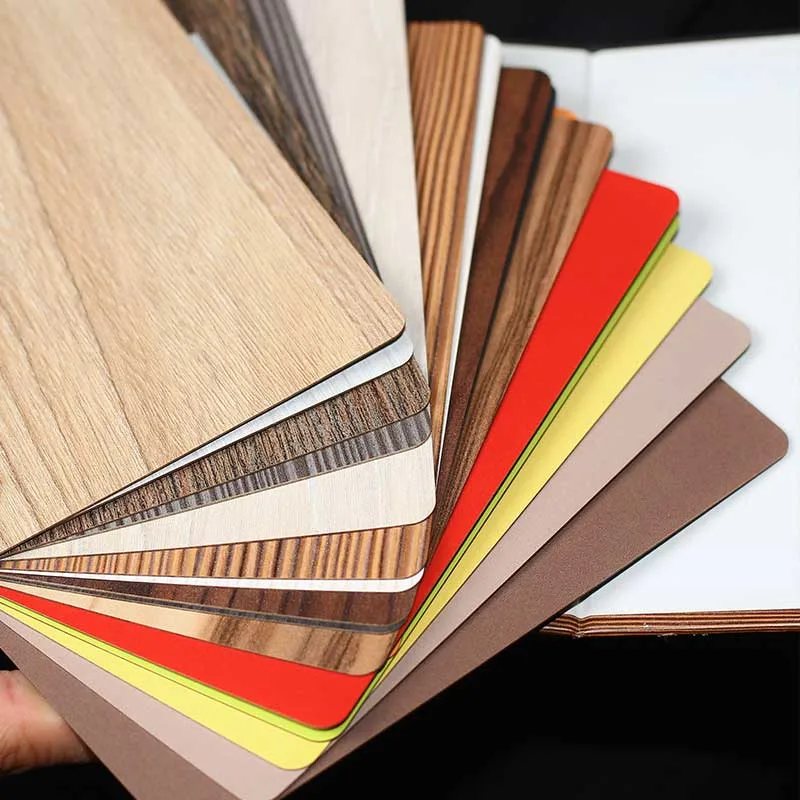
| Finish Type | Pattern Style | Popular Use | Durabilidade |
|---|---|---|---|
| Matte Natural Wood | Horizontal/Vertical | Living rooms, feature walls | Alto |
| Glossy Lacquered Finish | Geometric/3D | Offices, commercial spaces | Médio |
| Textured Rustic Finish | Reclaimed/Distressed | Restaurants, cafes, home interiors | Médio |
| Veneer Laminates | Minimalist/Smooth | Bedrooms, kitchens | Alto |
| Acoustic Wood Panels | Perforated/Patterned | Auditoriums, home theaters | Alto |
In 2026, designers are blending these finishes with functional needs, choosing panels that deliver texture, sound absorption, and durability while maintaining modern style. Mixing 3D patterns with matte or glossy finishes is increasingly popular, creating visually dynamic walls that complement contemporary interior themes.
Installation Tips for Decorative Wood Panels in 2026

Planning and Layout
Modern installation emphasizes precision and planning. Designers are using digital tools and augmented reality apps to visualize layouts, spacing, and patterns before installation. Proper planning ensures symmetry, pattern continuity, and alignment with architectural elements.
Mounting Methods
In 2026, decorative wood panels often come with modular or click-in installation systems, making them accessible for DIY projects while maintaining professional quality. Hidden fasteners, magnetic panels, and adhesive systems are increasingly common, allowing for clean, seamless walls.
Maintenance Considerations
Smart coatings and finishes reduce cleaning requirements, protect panels from moisture, UV exposure, and physical wear. Regular dusting combined with occasional mild cleaning maintains the panels’ aesthetic appeal, while ensuring durability over time.
Conclusão
In 2026, decorative wood panels are more than just aesthetic elements; they are multifunctional, sustainable, and technologically enhanced. From interiors to exteriors, 2026 trends emphasize eco-friendly materials, 3D textures, acoustic performance, and smart finishes. Staying updated with these trends allows designers and homeowners to create spaces that are modern, stylish, and functional, reflecting both contemporary design standards and environmental responsibility.
Perguntas frequentes
Q1: What are the top materials for decorative wood panels in 2026?
A1: Solid wood, engineered wood with moisture resistance, reclaimed wood, and composite panels with smart coatings are trending.
Q2: Are decorative wood panels suitable for exterior use in 2026?
A2: Yes, panels with UV-resistant, water-repellent, or composite materials are ideal for facades, outdoor walls, and modular structures.
Q3: How should I maintain decorative wood panels in 2026?
A3: Regular dusting, mild cleaning, and utilizing smart protective coatings are recommended for long-term durability.
Q4: Are 3D patterns popular in 2026?
A4: Yes, 3D textures and geometric patterns are a major trend for feature walls and dynamic interiors.
Q5: Can I install decorative wood panels myself in 2026?
A5: Many panels are designed for DIY installation with modular or click-in systems, but professional help is recommended for complex designs or high walls.
Obrigado pela leitura!
Ainda bem que se juntou a mim nesta jornada Se achou este conteúdo útil ou interessante, adoraria ouvir os seus pensamentos.
- Siga-me em Facebook para dicas, atualizações e discussões da comunidade.
Clique aqui para se conectar - Inscreva-se no meu YouTube canal para tutoriais, demonstrações e insights práticos.
Clique aqui para se inscrever
Sinta-se à vontade para compartilhar seus comentários ou perguntas nos comentários ou nas redes sociais Vamos continuar aprendendo e crescendo juntos!
-3.jpg)
.jpg)