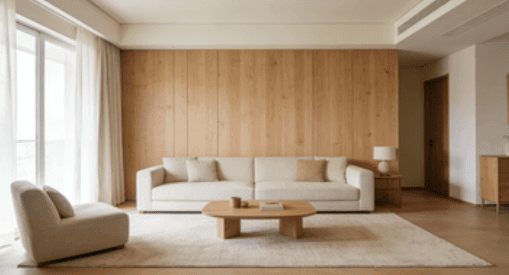
Choosing the right material for furniture, wall panels, or cabinetry is a critical decision for homeowners, interior designers, and contractors alike. Two of the most popular options in modern interior design are melamine panelling and Medium Density Fiberboard (MDF). Each has its strengths, drawbacks, and ideal use cases, and making the wrong choice can affect durability, aesthetics, cost, and even sustainability.
Key Highlights of This Guide:
- Understanding melamine panelling and MDF basics
- Durability, cost, and aesthetic comparisons
- Eco-friendly considerations and sustainability
- Industry standards and certifications for both materials
- Step-by-step installation and maintenance tips
- Real-world use cases and case studies
- DIY and commercial project guidance
- Pros, cons, and expert recommendations
- FAQ addressing common user concerns
This guide is designed to help you confidently select the material that best fits your project’s needs.
Índice
Introdução
Selecting a paneling material isn’t just about looks. It affects long-term durability, ease of maintenance, cost efficiency, and environmental impact. For example, a kitchen cabinet made with low-quality MDF without protective coating may swell when exposed to moisture, while melamine panelling offers better resistance to water and scratches, often lasting longer under similar conditions.
Choosing the wrong paneling can lead to:
- Increased maintenance costs
- Frequent replacement
- Sub-optimal aesthetic appeal
- Negative environmental impact
Understanding melamine panelling and MDF in depth is the first step toward an informed decision.
What is Melamine Panelling?
-3.jpg)
Composition and Manufacturing Process
Melamine panelling is a widely used decorative and functional paneling material in modern interior design and furniture production. It is created by applying a melamine resin overlay onto a substrate, usually particleboard or MDF. Melamine resin is a thermosetting plastic that hardens when exposed to heat and pressure, creating a durable, stable surface that can withstand daily wear and tear.
The typical manufacturing process includes several precise steps:
- Preparing the Substrate: High-quality MDF or particleboard sheets are selected and cut to standard dimensions. Substrate quality is critical because it determines the panel’s overall stability and load-bearing capacity.
- Applying Decorative Papers: The panels are covered with decorative papers saturated with melamine resin. These papers can include wood-grain patterns, solid colors, or textured designs.
- High-Pressure Lamination: The layered sheets undergo pressing under high temperature (typically 150–180°C) and high pressure (up to 1–2 MPa), which bonds the resin to the substrate. This step is crucial for ensuring a uniform, scratch-resistant, and water-resistant surface.
- Cutting and Finishing: Once pressed, panels are cut to size, edges are trimmed, and surface defects are removed. Finished panels are ready for installation or further processing, such as edge banding or drilling.
Key Concept: The synergy between melamine resin and the substrate creates a material that is not only aesthetically pleasing but also functional. It offers high resistance to scratches, water, heat, and common household chemicals, making it ideal for both residential and commercial use.
Features of Melamine Panelling
Melamine panelling is celebrated for its versatility and durability. Its key features include:
- Scratch and Abrasion Resistance: Perfect for high-traffic areas like kitchens, offices, and public spaces. Panels maintain their appearance over years of use.
- Heat and Moisture Resistance: Unlike raw MDF, melamine panels can withstand moderate exposure to heat and moisture, making them suitable for kitchens and bathrooms.
- Ready-to-Use Decorative Finish: Melamine panels come pre-finished, eliminating the need for painting or laminating. This reduces labor costs and project timelines.
- Variety of Colors and Textures: Available in solid colors, wood-grain finishes, and textured designs, allowing designers and homeowners to match any interior aesthetic.
- Chemical Stability: Resistant to many household chemicals, including cleaning agents, which ensures longevity and minimal maintenance.
Typical Applications
Due to its durability and decorative properties, melamine panelling is used extensively in:
- Kitchen Cabinets and Wardrobes: Provides a smooth, moisture-resistant surface that can endure daily use without peeling or warping.
- Office Partitions and Furniture Panels: Maintains professional appearance over years of use while minimizing maintenance.
- Wall Cladding in Residential and Commercial Interiors: Offers a stylish finish that is easy to clean and durable.
- Retail Fixtures and Display Units: Ideal for high-contact environments requiring both aesthetics and durability.
Example Case: In a 2023 office renovation in Germany, over 300 m² of melamine panelling was installed on walls and partitions. The panels retained their finish without scratches for over three years in a high-traffic environment.
What is MDF?
.jpg.webp)
Composition and Manufacturing
Medium Density Fiberboard (MDF) is a versatile engineered wood product made by breaking down hardwood or softwood residuals into fibers. These fibers are mixed with wax and a resin binder, then pressed under high temperature and pressure to form uniform panels.
Key manufacturing steps:
- Fiber Preparation: Wood residuals are shredded and processed into fine fibers.
- Blending: Fibers are combined with resin and wax to enhance moisture resistance and bonding properties.
- Hot Pressing: The mixture is compressed under heat to create dense, flat sheets with uniform thickness.
- Finishing: Panels are sanded to achieve a smooth surface suitable for painting, laminating, or veneering.
Key Concept: MDF is prized for its smooth surface, uniform density, and ability to be cut and shaped with precision. Its versatility makes it a popular choice for furniture, cabinetry, and decorative projects.
Properties of MDF:
MDF offers several advantages:
- Smooth Surface: Ideal for painting, veneering, or laminating. Its fine texture allows for a flawless finish.
- Ease of Machining: MDF is easier to cut, drill, and shape compared to solid wood, enabling complex designs.
- Uniform Density: Reduces the risk of warping or uneven surfaces, which is especially important in furniture production.
- Consistent Thickness: Ensures reliable stacking and assembly in cabinetry or paneling applications.
Applications of MDF
MDF is widely used across residential, commercial, and industrial projects:
- Furniture Core Material: Provides a stable, uniform foundation for laminated or veneered furniture surfaces.
- Decorative Wall Panels and Doors: Smooth, paint-ready surface makes it perfect for interior design projects.
- Base for Laminated or Veneered Surfaces: Serves as a reliable substrate for decorative coatings and finishes.
- Custom Joinery: Ideal for creating moldings, trims, and decorative paneling elements.
Limitations
Despite its versatility, MDF has some inherent limitations:
- Susceptible to Moisture: Uncoated MDF absorbs water, swells, and can lose structural integrity if exposed to high humidity.
- Lower Scratch Resistance: Without protective laminates or coatings, MDF is more prone to scratches and wear compared to melamine panelling.
- Requires Finishing: To achieve a decorative or durable surface, MDF usually needs painting, laminating, or veneering, which adds labor and cost.
- Edge Vulnerability: Cut edges may chip or fray, requiring careful sealing or edge banding.
Example: A kitchen project using uncoated MDF cabinets showed edge swelling after three months in a humid environment, highlighting the need for proper finishing or choosing melamine-coated panels.
Detailed Comparison: Melamine Panelling vs MDF
| Recurso | Melamine Panelling | MDF |
|---|---|---|
| Surface Finish | Pre-finished, decorative | Smooth, requires finishing |
| Scratch Resistance | Alto | Médio |
| Moisture Resistance | Alto | Low if uncoated |
| Cost | $25–40 per sheet | $15–30 per sheet |
| Lifespan | 10–20 years | 8–15 years |
| Manutenção | Baixo | Médio |
| DIY Friendly | Very | Moderate |
| Environmental Impact | Recyclable, low VOC options | Recyclable, formaldehyde/VOC concerns |
Durability and Strength
- Melamine Panelling: Can withstand heavy usage without visible scratches. Ideal for kitchens, bathrooms, and offices.
- MDF: Needs careful handling; edges prone to chipping if cut improperly. Coating is essential for moisture protection.
Cost Efficiency
While MDF is cheaper upfront, melamine panelling’s durability and minimal finishing requirements may result in lower long-term costs.
Aesthetic Options
Melamine panelling offers ready-to-use wood grain and decorative finishes. MDF allows more flexibility for painting and custom laminates but requires more effort and cost for finishing.
Industry Standards and Certifications
Melamine Panelling Standards
- EN 438: European standard for high-pressure decorative laminates
- ANSI/HPVA HP-1: North American laminate standards
- ISO 9001: Quality management certification for production consistency
MDF Standards
- EN 622-5: European MDF specification for density, strength, and thickness
- CARB Phase 2: Formaldehyde emission limits for indoor air safety
- ISO 9001: Ensures consistent product quality
Practical Tip: Always check for certified low-VOC and eco-friendly products to ensure safety and sustainability.
Installation Tips for Melamine Panelling
Tools Required
- Fine-toothed saw
- Screwdriver or drill
- Measuring tape and level
- Edge banding kit
Step-by-Step Installation
- Measure and Cut: Accurately measure panels to avoid gaps. Cut with a fine-toothed saw for smooth edges.
- Fixing the Panels: Secure with screws, nails, or adhesive. Avoid overtightening to prevent cracks.
- Edge Finishing: Apply melamine edge banding or trims to cover exposed edges.
- Maintenance: Wipe with damp cloth; avoid harsh abrasives.
DIY Note: Pre-finished melamine panels are more DIY-friendly compared to MDF which needs painting or laminating.
Real-World Use Cases
Residential Spaces
- Kitchens: Melamine panelling provides water-resistant and scratch-resistant cabinetry surfaces.
- Bedrooms: Ideal for wardrobes, shelves, and decorative wall panels.
Commercial Applications
- Offices: Partitions and furniture panels made from melamine panelling provide durability and clean aesthetics.
- Hospitality: MDF cores laminated with melamine offer cost-effective solutions for hotel furniture.
Case Study Example
A commercial office renovation in London used 500 sqm of melamine panelling for workstations. The client reported minimal maintenance, easy cleaning, and a professional finish that lasted 5+ years without visible wear.
Sustainability and Environmental Impact
Melamine Panelling
- Recyclable substrate options
- Lower energy consumption during production compared to solid wood
- Eco-certified panels available (FSC, PEFC)
MDF
- Made from recycled wood fibers
- Requires coatings or laminates that may contain formaldehyde
- Low-formaldehyde MDF is preferred for indoor air quality
Tip for Eco-conscious Buyers: Look for FSC-certified MDF or melamine panels labeled as low-VOC and recyclable.
Advanced Comparisons
| Recurso | Melamine Panelling | MDF | Recommendation |
|---|---|---|---|
| Edge Durability | Alto | Baixo | Melamine for high-use areas |
| Ease of Finishing | None needed | Requires paint/laminate | Melamine saves labor cost |
| Fire Resistance | Moderate | Low, unless treated | Treated panels improve safety |
| Water Exposure | Alto | Baixo | Melamine recommended for wet areas |
| DIY Installation | Simple | Moderate | Beginners should prefer melamine |
Perguntas frequentes
Q1: Can melamine panelling be painted?
A1: Yes, but it requires sanding and primer. Most melamine panels are pre-finished and ready to use.
Q2: Is MDF better for painted furniture?
A2: Yes, MDF’s smooth surface is ideal for painting, but edges must be sealed.
Q3: Which is more cost-effective long-term?
A3: Melamine panelling is often more durable and requires less maintenance, saving cost over time.
Q4: Are both materials eco-friendly?
A4: Yes, but check for low-formaldehyde MDF or certified recyclable melamine for minimal environmental impact.
Q5: Which is best for DIY projects?
A5: Pre-finished melamine panelling is easier for beginners due to minimal finishing requirements.
Conclusão
When deciding between melamine panelling and MDF, consider:
- Melamine Panelling: Best for durability, low maintenance, moisture resistance, and ready-to-use decorative finishes.
- MDF: Ideal for custom painting, veneering, and projects where cost control is important.
- Eco-conscious Choice: Always choose certified low-emission panels to reduce environmental impact.
Final Recommendation: For most residential and commercial applications, melamine panelling offers the perfect balance of durability, aesthetics, and low maintenance, making it a preferred choice over standard MDF.
Obrigado pela leitura!
Ainda bem que se juntou a mim nesta jornada Se achou este conteúdo útil ou interessante, adoraria ouvir os seus pensamentos.
- Siga-me em Facebook para dicas, atualizações e discussões da comunidade.
Clique aqui para se conectar - Inscreva-se no meu YouTube canal para tutoriais, demonstrações e insights práticos.
Clique aqui para se inscrever
Sinta-se à vontade para compartilhar seus comentários ou perguntas nos comentários ou nas redes sociais Vamos continuar aprendendo e crescendo juntos!
.jpg)