Índice
A background wood wall can completely change the look and feel of any space, creating warmth, texture, and a striking focal point. Whether you want a modern minimalist aesthetic or a rustic cozy atmosphere, wood walls offer unmatched versatility. This guide explores the top design ideas, materials, installation methods, and maintenance tips to help you transform your home with confidence.
Introdução
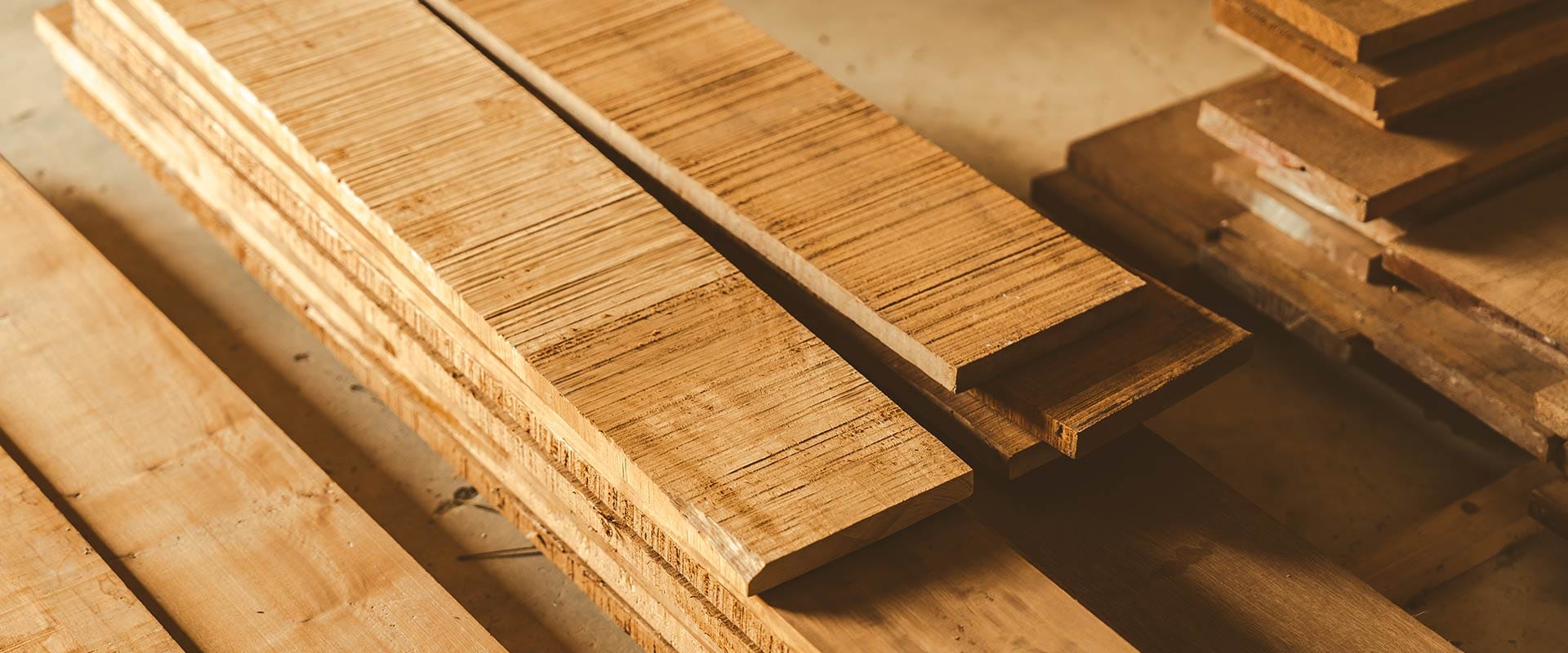
Background wood walls are more than just decoration. They enhance room aesthetics, absorb sound, and can even improve insulation. Compared to paint or wallpaper, wood panels provide a natural texture that adds depth and character. Research from the Interior Design Institute shows that spaces with natural wood finishes are perceived as warmer and more inviting, influencing both comfort and mood.
Installing a wood wall behind a living room sofa or bedroom headboard can turn a simple room into a statement space, while adding personality without overwhelming the area.
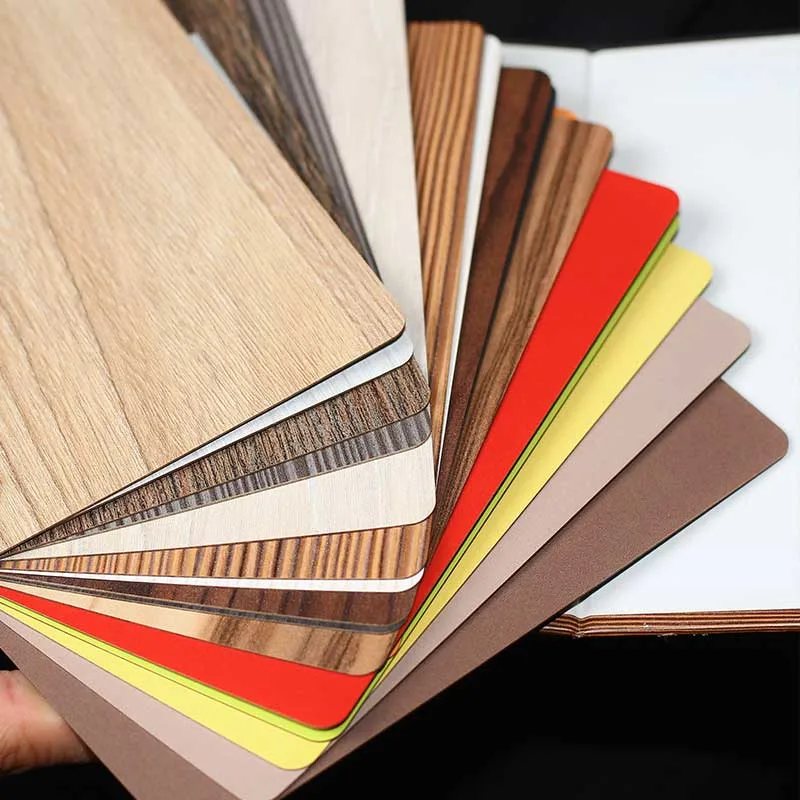
Different Types of Background Wood Walls
Choosing the right type of wood panel is crucial for both style and longevity:
- Solid wood panels: Durable, can be sanded and refinished, offer rich natural grain.
- Engineered wood/MDF: Cost-effective, stable, and suitable for painted or stained finishes.
- Reclaimed wood: Sustainable choice, adds rustic charm and unique patterns.
- Textured or 3D panels: Create dynamic visual effects and can serve as artistic focal points.
Each type has unique advantages. Solid wood is ideal for long-term investment, while MDF is great for budget-friendly customization.
Top 10 Design Ideas for Background Wood Walls
- Herringbone or chevron patterns – adds movement and sophistication to the space.
- Vertical vs horizontal planks – vertical planks can make ceilings feel higher, while horizontal planks visually widen rooms.
- Accent walls behind furniture – behind TVs, beds, or dining areas to anchor the space.
- Full-room wood wall panels – for immersive warmth and cohesive design.
- Mixed-material designs – wood combined with stone, metal, or glass adds contrast and modernity.
- Rustic reclaimed wood – ideal for cozy or farmhouse-inspired interiors.
- Painted or stained panels – allows for personal color schemes while keeping natural texture.
- Minimalist modern designs – simple planks with clean lines for contemporary elegance.
- Geometric or carved panels – add visual interest and artistic flair.
- Layered paneling – create depth and dimension by stacking panels or varying plank thicknesses.
Choosing the Right Wood and Finish
Material choice depends on room function, desired aesthetics, and maintenance requirements:
- Solid wood: premium look, requires occasional sealing.
- MDF/Engineered wood: stable, affordable, easy to paint.
- Reclaimed wood: environmentally friendly, unique appearance.
Finish options include matte, satin, or glossy varnish. Staining highlights natural grain, while painting allows bold color statements. Always consider room lighting and furniture tone for harmonious design.
Installation Methods and Tips
Proper installation ensures longevity and aesthetic appeal:
- DIY vs professional installation: small accent walls can be DIY, larger or 3D designs may need professionals.
- Attachment methods: adhesive, nails, screws, or interlocking systems depending on panel type.
- Wall preparation: ensure surfaces are clean, dry, and level.
- Tools and safety: measuring tape, level, clamps, and protective gear are essential.
Cost Considerations and Budgeting
When planning a background wood wall, it’s important to consider durability, aesthetic appeal, and installation complexity rather than just cost. Here’s a general overview of common panel types:
| Tipo Painel | Durabilidade | Aesthetic Appeal |
|---|---|---|
| Solid Wood | Alto | Alto |
| MDF/Engineered | Médio | Médio |
| Reclaimed Wood | Alto | Unique |
| 3D/Textured Panels | Alto | Artistic |
Solid wood offers long-lasting durability and classic appeal. MDF and engineered wood provide versatile design options while being lighter and easier to work with. Reclaimed wood gives a unique, character-filled look, and 3D or textured panels add artistic depth to your walls.
Maintenance and Care of Background Wood Walls
Maintaining your wood wall ensures it stays beautiful over time:
- Dust regularly with a soft cloth.
- Use damp cloths for stains but avoid harsh chemicals.
- Apply protective finishes or sealants periodically.
- Monitor for humidity to prevent warping or mold, especially in kitchens and bathrooms.
Common Mistakes to Avoid
- Overcrowding small spaces with wood walls.
- Ignoring moisture and ventilation requirements.
- Poor alignment or panel spacing.
- Choosing a finish that clashes with room lighting or furniture.
Where to Buy Quality Background Wood Wall Panels
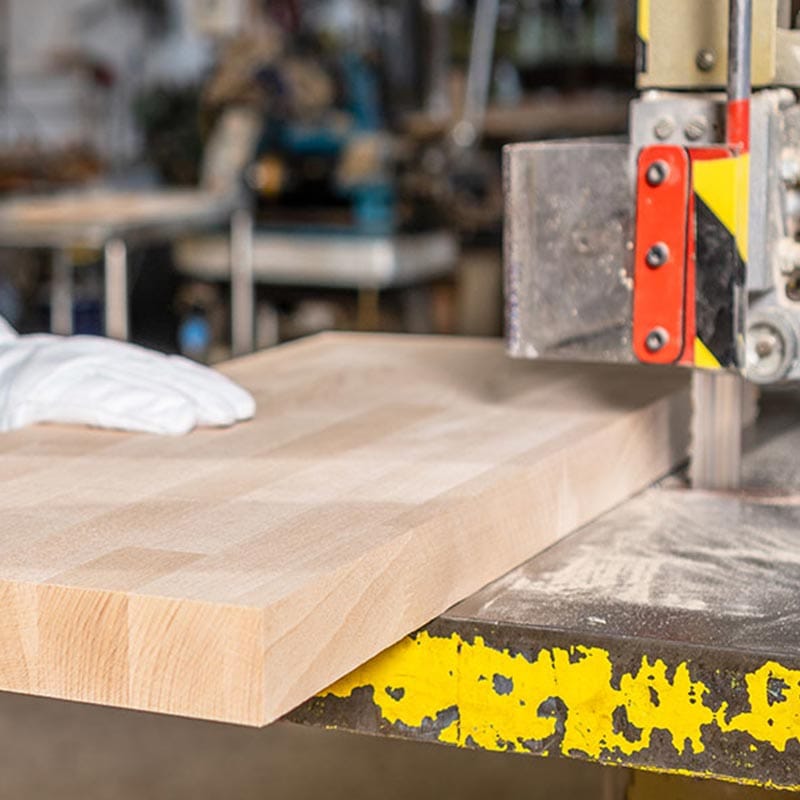

High-quality panels can be sourced from:
- Online suppliers with customer reviews and specifications.
- Local home improvement or specialty wood stores.
- Custom fabrication services for unique designs or dimensions.
Check material grade, finish, and supplier warranty before purchasing to ensure durability and satisfaction.
Conclusão
Background wood walls provide a balance of functionality, aesthetics, and personality. By selecting the right materials, design, and installation methods, you can create a space that feels warm, inviting, and visually striking. From minimalist modern rooms to rustic cozy interiors, the options are limitless. Invest in quality panels and thoughtful design to enjoy a beautiful wall for years to come.
Perguntas frequentes
What is a background wood wall?
A background wood wall is a decorative feature made from wood panels or planks installed on a wall to enhance a room’s style and texture. It can serve as an accent or full-room feature, creating warmth, depth, and a unique focal point for living rooms, bedrooms, or commercial spaces.
How do I install a background wood wall?
Installation can be done with adhesive, nails, screws, or interlocking panels. Smaller accent walls can be DIY-friendly, while larger or 3D designs often require professional installation to ensure proper alignment, stability, and a flawless finish.
What types of wood are suitable for background wood walls?
Common options include solid wood, MDF, plywood, engineered wood, and reclaimed wood. Each type offers different aesthetics, durability, and cost, allowing you to match your design goals and budget while achieving the desired texture and finish.
Can a background wood wall be used in humid areas?
Yes, but it is important to choose moisture-resistant or treated panels for kitchens, bathrooms, or laundry areas. Proper sealing, ventilation, and humidity control help prevent warping, mold, and discoloration over time.
How should I maintain a background wood wall?
Regular dusting and gentle cleaning with a damp cloth are sufficient for most wood walls. Avoid harsh chemicals. Periodically applying protective finishes or sealants can preserve color, prevent scratches, and extend the wall’s lifespan.
Need Help Choosing the Right Background Wood Wall?
If you’re unsure which type or design of background wood wall is best for your home or office, our experts are here to guide you. Contacte-nos today for a personalized consultation, and ensure your space looks stylish, functional, and long-lasting. Don’t wait—get in touch now to transform your walls and elevate your interiors!