Principais destaques deste guia estendido
- Ampla expansão técnica de painéis parede decorativos sistemas de engenharia para 2026
- Padrões globais, certificações e estruturas de conformidade (referências ISO, EN, ASTM)
- Detalhamento da ciência dos materiais com densidade, classificação de incêndio e dados de emissões
- Estudos de caso de projetos do mundo real em edifícios residenciais, comerciais e públicos
- Análise do ciclo de vida de custos e comparação de ROI para sistemas de painéis interiores
- Insights do processo de fabricação (laminação, prensagem, revestimento, cura)
- Tendências interiores inteligentes: sistemas modulares, fabricação digital e design ecológico
- Tabelas de comparação expandidas e benchmarking de desempenho
- Insights do “white paper-level” da indústria sobre sustentabilidade e crescimento do mercado
Melhores sistemas decorativos para painéis de parede 2026: engenharia avançada, ciência de materiais e inovação global de interiores
Moderno painéis parede decorativos os sistemas evoluíram muito além dos acabamentos interiores tradicionais Em 2026, eles representam uma convergência de engenharia de materiais, projeto arquitetônico, ciência da sustentabilidade e tecnologia de pré-fabricação O que antes era uma solução de superfície puramente estética é agora um componente de construção de alto desempenho integrado a sistemas estruturais, acústicos, térmicos e ambientais.
De acordo com análises globais do mercado de materiais interiores (20252026), os sistemas de painéis decorativos projetados são projetados para compensar o excesso 581TP3 T de demanda de acabamento de parede interior na construção comercial, impulsionado pela adoção de construção modular e regulamentos de construção de baixas emissões.
Índice
Sistema avançado de engenharia de materiais de painéis de parede decorativos
Os sistemas modernos de painéis decorativos são construídos sobre uma estrutura estrutura de classificação de materiais estruturados que determina desempenho, durabilidade e adequação da aplicação.
Materiais de núcleo à base de madeira projetados
MDF (Painel de fibra de média densidade)
-3.jpg)
O MDF é amplamente reconhecido por sua distribuição uniforme de fibras e capacidade de usinagem de precisão.
- Faixa de densidade: 630800kg/m³
- Resistência de ligação interna: alta consistência em toda a produção em lote
- Rugosidade superficial: extremamente baixa (ideal para laminação)
MDF domina painéis parede decorativos aplicações interiores onde a qualidade do acabamento superficial é crítica.
Painéis Estruturais Contraplacado
.jpg)
A madeira compensada usa camadas de folheado laminadas cruzadas ligadas sob alta pressão.
- Resistência à tração: significativamente maior que o MDF
- Resistência à umidade: aprimorada com adesivos fenólicos
- Estabilidade dimensional: excelente sob variação de carga
É frequentemente usado em alta qualidade painéis parede decorativos sistemas que exigem confiabilidade estrutural.
OSB (Conselho de Fios Orientados)
-3.jpg)
OSB é projetado usando fios de madeira orientados comprimidos em painéis multicamadas.
- Eficiência de distribuição de carga: otimizada através da orientação da cadeia
- Relação custo-desempenho: entre as mais altas em placas estruturais
- Aplicação: revestimento de parede de base e subestruturas
OSB serve como camada de base em muitos modulares painéis parede decorativos assembleias.
Tecnologias de acabamento superficial
Sistemas de revestimento de melamina
-2.jpg)
A laminação de melamina é amplamente utilizada para aprimoramento decorativo.
- Resistência ao risco: melhorada em 35: 0% em comparação com MDF bruto
- Resistência UV: evita a descoloração ao longo do tempo
- Estabilidade da cor: consistência industrial-categoria
PVC Filmes Decorativos
Os filmes de PVC fornecem padrões de design flexíveis e superfícies impermeáveis.
- Resistência à umidade: alta
- Replicação do padrão: grão de madeira, pedra, texturas têxteis
- Aplicação: interiores comerciais e projetos de hospitalidade
Revestimentos curados UV
Os revestimentos UV fornecem superfícies de alto brilho e alta dureza.
- Dureza da superfície até 2H: escala de dureza do lápis até 3H
- Tempo de cura rápido: segundos sob exposição UV
- Baixas emissões de COV
Painéis de parede Padrões globais decorativos e estrutura de conformidade
Para atender aos requisitos internacionais de construção, os sistemas de painéis decorativos de parede devem cumprir rígidos quadros regulatórios.
Padrões de Emissão de Formaldeído
- Padrão E0: ≤0,050mg/m³ (emissão muito baixa)
- Padrão E1: ≤0,124mg/m³ (nível comercial amplamente aceito)
- CARB Fase 2 (EUA): rigoroso controle de emissões para compósitos de madeira
A conformidade com baixas emissões é agora obrigatória na maioria painéis parede decorativos projetos comerciais na Europa e América do Norte.
Classificações de resistência ao fogo
- Classe A (ASTM E84): índice de propagação de chama 2005
- EN 13501-1 B-s1,d0: alta classificação de segurança contra incêndio para interiores
- Classe B1 (padrão da China): classificação difícil de queimar
Painéis decorativos com classificação de fogo são cada vez mais necessários em projetos de infraestrutura pública.
Padrões de desempenho mecânico
- ISO 16978: teste de resistência à flexão
- EN 310: avaliação do módulo de elasticidade
- ASTM D1037: teste de desempenho de painel à base de madeira
Esses padrões garantem um comportamento estrutural consistente em painéis parede decorativos instalações.
Painéis Parede Fabricação Decorativa Processo Engenharia
Preparação de Matéria-prima
Fibras, folheados ou fios de madeira são selecionados com base nos requisitos de densidade e teor de umidade.
Parâmetro de controle de chave
- Conteúdo de umidade: 8% 12% faixa ideal
Tecnologia de Prensagem a Quente
Os painéis são comprimidos sob alta temperatura e pressão.
- Temperatura: 160°C 20 °C
- Pressão: 25 MPa
- Tempo de ciclo: 38 minutos dependendo da espessura
Esta etapa define a densidade final e a resistência mecânica.
Processo de Laminação de Superfície
Ligação de camada decorativa
Filmes de melamina ou PVC são colados com adesivos de resina sob calor.
- Força de ligação: >1,2 MPa
- Uniformidade da superfície: controlada através da calibração do rolo
Acabamento e vedação de borda
- Aparamento de borda CNC para precisão
- Revestimentos anti-vedamento da selagem
- Polimento de superfície para aprimoramento estético
Custo decorativo do ciclo de vida dos painéis de parede (análise LCC)
Os materiais interiores são cada vez mais avaliados com base no custo do ciclo de vida e não no preço inicial.
Modelo de estrutura de custos de 10 anos
| Sistema Material | Custo Inicial | Custo Manutenção | Frequência Substituição | Índice de Custo Total do Ciclo de Vida |
|---|---|---|---|---|
| Paredes de pintura | Baixo | Alto | 3 anos | 100 |
| Papel de parede | Médio | Médio | 5 anos | 85 |
| Painéis MDF | Médio | Baixo | 10 5 anos | 60 |
| Painéis Contraplacado | Alto | Baixo | 15 anos | 55 |
| Painéis de Madeira Maciça | Muito Alto | Muito Baixo | Mais de 20 anos | 50 |
Conclusão: os sistemas decorativos dos painéis de parede reduzem o custo do ciclo de vida em 30050% comparado aos acabamentos tradicionais.
Painéis de parede Estudos de caso decorativos do mundo real
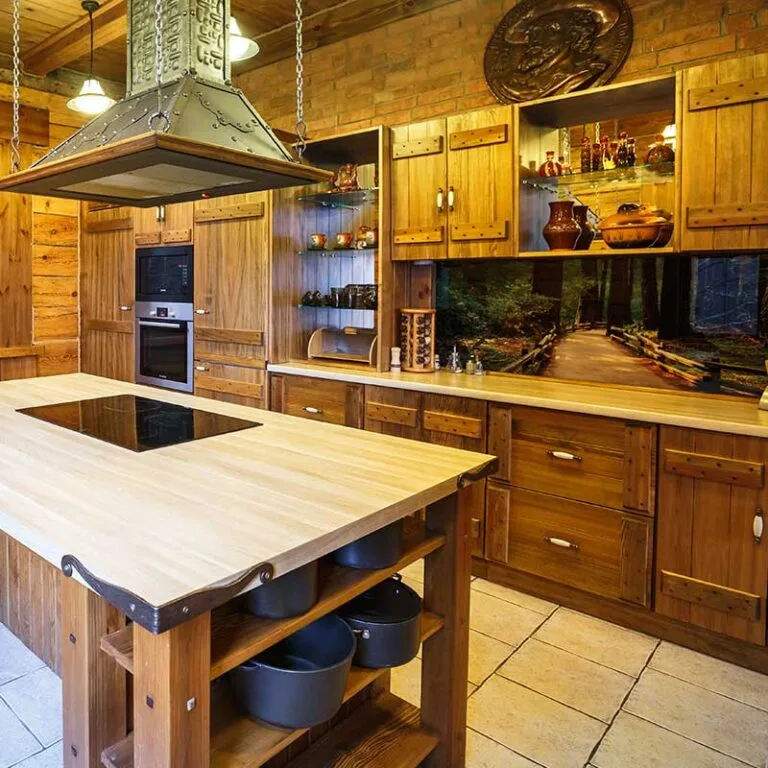
Estudo de caso 1: Torre Residencial de Fim Alto (Dubai)
- Aplicação: interiores de apartamentos de luxo
- Material: painéis de acabamento MDF + melamina
- Resultado:
- Redução de 40% nos pedidos de manutenção
- Desempenho acústico melhorado por 18%
- Percepção aprimorada do valor de revenda
Estudo de caso 2: Complexo de Escritórios Comerciais (Alemanha)
- Material: painéis de madeira compensada com certificação ecológica
- Objectivo: certificação sustentável de interiores (LEED)
- Resultados:
- Alcançou a certificação LEED Gold
- Redução das emissões de COV em 62%
- Instalação mais rápida (tempo de trabalho 351TP3 T)
Estudo de caso 3: Expansão da Cadeia de Varejo (Ásia-Pacífico)
- Material: sistema de painel decorativo de PVC
- Requisito: implantação rápida em 120 lojas
- Resultado:
- Identidade visual padronizada
- Tempo de instalação reduzido em 48%
- Menor custo de reforma por loja
Painéis de parede Sistemas de parede decorativos versus tradicionais
Visão geral da comparação de desempenho
Paredes Pintadas
- Baixo custo inicial
- Frequência de alta manutenção
- Variação limitada da textura
Sistemas de painéis decorativos
- Instalação modular
- Alta durabilidade
- Flexibilidade de design
- Eficiência do ciclo de vida longo
Na arquitetura moderna, painéis parede decorativos os sistemas estão substituindo cada vez mais os acabamentos à base de tinta na construção comercial.
Tendências de integração de interiores inteligentes 2026
Fabricação digital e painéis personalizados CNC
Sistemas CNC avançados permitem:
- Padrões de projeto paramétricos
- Personalização em massa de superfícies interiores
- Corte de precisão com tolerância de ±0,1 mm
Painéis Acústicos Inteligentes
Painéis de nova geração integram:
- Camadas de absorção sonora
- Estruturas de microperfuração
- Modelagem acústica otimizada para IA
Inovação Material Sustentável
- Compósitos de fibra de bambu
- Placas de polímero de madeira reciclada
- Adesivos de resina de baixo carbono
Os white papers da indústria indicam que é sustentável painéis parede decorativos os materiais crescerão em CAGR 7,8% até 2030.
Painéis de parede Insights decorativos de mercado (2026 Outlook)
- Mercado global de painéis interiores excede Mais de 90 bilhões de dólares
- Ásia-Pacífico lidera com taxa de crescimento mais rápida
- A construção comercial é responsável pela maior parcela da demanda
- A construção modular impulsiona a adoção na Europa e na América do Norte
Perspectiva Final de Engenharia
A evolução do painéis parede decorativos os sistemas refletem uma transformação mais ampla na construção moderna, passando de acabamentos estéticos simples para sistemas de desempenho interior projetados. Em 2026 e além, esses painéis não são mais elementos de design opcionais, mas componentes essenciais de uma arquitetura sustentável e de alto desempenho.
Sua integração da ciência dos materiais, eficiência do ciclo de vida e fabricação digital os posiciona no centro dos sistemas de design de interiores da próxima geração.
Perguntas frequentes
Qual é o material decorativo mais durável dos painéis de parede?
Contraplacado e painéis de núcleo sólido projetados oferecem a maior durabilidade devido à composição estrutural em camadas.
Os painéis decorativos de parede são adequados para climas úmidos?
Sim, mas devem ser usados MDF resistente à umidade, painéis revestidos de PVC ou compensado tratado.
Quanto tempo duram os sistemas decorativos dos painéis de parede?
Dependendo do tipo de material, a vida útil varia de 10 a 25 anos ou mais.
Os painéis de parede são sistemas decorativos ecológicos?
Painéis com certificação ecológica e baixas emissões de formaldeído atendem aos padrões modernos de construção verde.
Os painéis decorativos podem melhorar a acústica da sala?
Sim, painéis com classificação acústica podem reduzir o eco e melhorar significativamente a clareza do som.
.jpg)