Índice
Os painéis são uma solução versátil para melhorar os interiores das casas Eles podem transformar paredes lisas, tetos ou móveis em superfícies funcionais e visualmente atraentes Se você deseja criar paredes de destaque, cobrir tetos ou melhorar a acústica da sala, escolher os painéis certos elevará o estilo e a durabilidade da sua casa Este guia explica tudo o que você precisa saber sobre painéis, incluindo tipos, ideias de design, instalação e manutenção.
Introdução
O que são painéis?
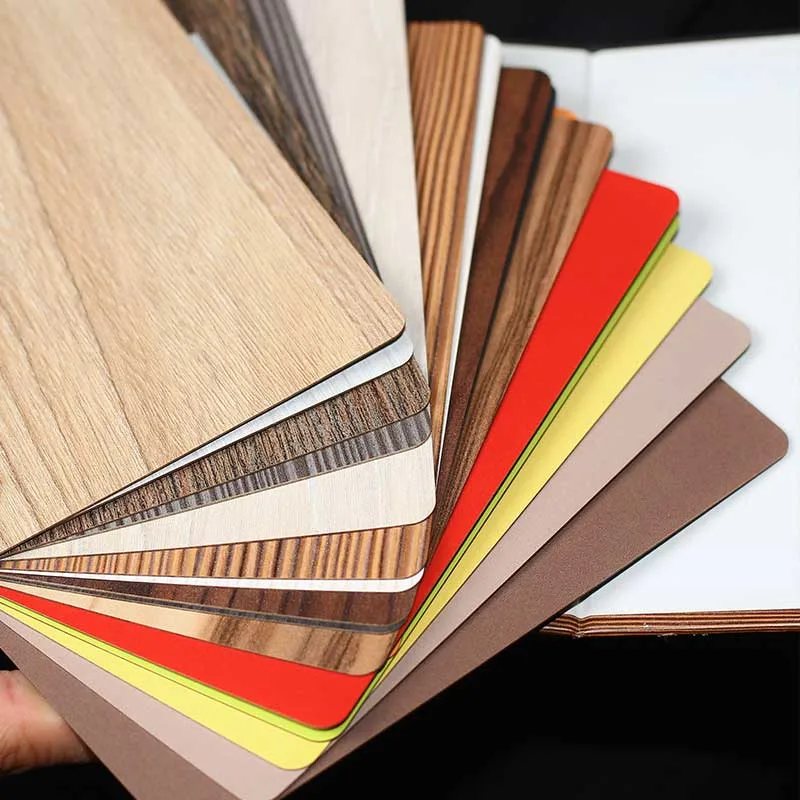
Os painéis são seções planas de materiais como madeira, MDF, madeira compensada ou compósitos, projetados para cobrir paredes, tetos ou superfícies de móveis. Eles adicionam textura, calor e um elemento decorativo que a pintura por si só não consegue. De acordo com pesquisas de design de interiores, salas com recursos de painel são percebidas como 202% mais convidativas do que paredes lisas.
Tipos de painéis: madeira, MDF e compensado
- Painéis de madeira: Madeira maciça ou projetada que oferece durabilidade e estética natural.
- painéis de MDF: Fibroboard de média densidade, fácil de pintar e rentável.
- Painéis de madeira compensada: Camadas folheadas para resistência e estabilidade.
Benefícios do uso de painéis
Os painéis melhoram a estética, fornecem a absorção sadia, e podem aumentar a isolação térmica São igualmente duradouros e podem aumentar o valor da propriedade quando escolhidos com cuidado.
Escolhendo o estilo e design certos
Painéis Modernos vs Tradicionais
Painéis modernos apresentam linhas limpas e acabamentos suaves, ideais para interiores minimalistas Painéis tradicionais ou rústicos mostram texturas, grãos ou padrões que adicionam caráter e calor.
Cor, textura e material
Painéis de cor clara fazem com que os quartos pareçam maiores e mais brilhantes, enquanto os painéis escuros adicionam sofisticação Texturas e grãos contribuem para a profundidade, permitindo personalizar o humor do seu espaço.
Painéis para diferentes quartos
As salas de estar e os quartos beneficiam de paredes com painéis As cozinhas e as casas de banho requerem painéis resistentes à humidade, enquanto os escritórios domésticos podem obter melhor acústica e focar através de painéis bem escolhidos.
Paredes de acento e painéis de teto
Os painéis não se limitam às paredes Os painéis de teto adicionam uma dimensão única e, combinados com a iluminação, destacam padrões e texturas de forma eficaz.
Guia de Instalação para Painéis
Instalação DIY vs Ajuda Profissional
Pequenos projetos podem ser DIY usando adesivo ou pregos Instalações complexas ou em larga escala são melhor tratadas pelos profissionais para garantir o alinhamento e evitar lacunas ou empenamento.
Ferramentas e materiais necessários
Ferramentas comuns incluem adesivo, parafusos ou pregos, uma serra, um nível e espaçadores Sistemas de painéis interligados estão disponíveis para facilitar a instalação.
Instalação passo a passo
- Prepare a superfície limpando e nivelando.
- Planeje o layout para evitar lacunas irregulares.
- Anexe painéis com adesivo, pregos ou parafusos.
- Arestas de corte para uma aparência perfeita.
- Aplique selante se necessário para proteção contra umidade.
Manutenção e Durabilidade
Dicas de Limpeza e Cuidados
Pó regularmente e limpe com um pano úmido, conforme necessário Evite produtos químicos agressivos ou limpadores abrasivos para manter os acabamentos do painel.
Protegendo os painéis da umidade e da luz solar
A umidade excessiva pode deformar os painéis, e a luz solar direta pode desbotar as cores Use painéis tratados ou resistentes à umidade em banheiros e cozinhas.
Repintura, coloração e acabamento
Os painéis podem ser atualizados com tinta ou mancha, permitindo flexibilidade para atualizar o design interior ao longo do tempo.
Comparando painéis com outros revestimentos de parede
| Recurso | Painéis | Papel de parede | Tinta |
|---|---|---|---|
| Durabilidade | Alto | Baixo | Médio |
| Manutenção | Moderado | Fácil | Fácil |
| Estética | Texturizado, versátil | Padrões planos | Plano ou decorativo |
| Isolamento | Térmico e acústico | Nenhum | Mínimo |
| Custo | Médio a alto | Baixo | Baixo |
Os painéis oferecem benefícios funcionais e visuais superiores em comparação com outros revestimentos de parede.
Guia de Compra: Onde e Como Comprar Painéis
Fornecedores on-line versus locais
As lojas online oferecem variedade e conveniência, enquanto os fornecedores locais permitem a inspeção da qualidade antes da compra.
Painéis personalizados versus pré-fabricados
Painéis personalizados se adequam a dimensões ou designs exclusivos, enquanto os painéis pré-fabricados são ideais para aplicações padrão.
Pedidos em Massa e Estimativa de Custos
Comprar a granel pode reduzir custos Os painéis sólidos são geralmente mais caros que o MDF ou o compensado, mas oferecem melhor longevidade e estética.
Ideias Criativas e Inspiração Interior


- Paredes de acento para criar pontos focais
- Combinando painéis com tinta, móveis ou iluminação
- Painéis 3 D ou texturizados para profundidade e interesse visual
- Painéis ecológicos para design sustentável
Conclusão
Escolher os painéis certos envolve considerar o estilo, o material, a instalação e a manutenção Quando feito corretamente, os painéis não apenas melhoram a aparência de sua casa, mas também melhoram a funcionalidade, a durabilidade e o valor a longo prazo. Planejar cuidadosamente garante um espaço elegante, prático e convidativo.
Perguntas frequentes
O que são painéis?
Os painéis são seções planas feitas de madeira, MDF, madeira compensada ou materiais compósitos, projetados para cobrir paredes, tetos ou móveis. Eles servem tanto para fins decorativos quanto funcionais, adicionando textura, calor e estilo aos interiores. Painéis de alta qualidade podem melhorar a estética da sala, fornecer isolamento acústico e melhorar a durabilidade geral, tornando-os uma escolha prática para casas e reformas modernas.
Como faço para instalar painéis?
Os painéis podem ser instalados usando adesivos, pregos, parafusos ou sistemas de intertravamento, dependendo do material e do design. Embora pequenos projetos possam muitas vezes ser concluídos como uma tarefa DIY, a instalação profissional é recomendada para paredes, tetos ou padrões complexos maiores para garantir alinhamento adequado, durabilidade a longo prazo e acabamento contínuo que aprimora a estética e a funcionalidade.
Os painéis são adequados para áreas úmidas?
Sim, os painéis podem ser usados em cozinhas, banheiros e outras áreas úmidas se opções resistentes à umidade ou especialmente tratadas forem escolhidas Os painéis projetados para ambientes úmidos são projetados para resistir ao empenamento, inchaço e crescimento de mofo A ventilação adequada e a manutenção ocasional prolongarão ainda mais sua vida útil, garantindo que seus painéis permaneçam atraentes e funcionais ao longo do tempo.
Que tipos de painéis estão disponíveis?
Os painéis estão disponíveis em uma variedade de tipos, incluindo madeira maciça, madeira projetada, MDF, madeira compensada e materiais compósitos Cada tipo oferece benefícios exclusivos, como durabilidade, apelo estético, acessibilidade ou facilidade de instalação A seleção do tipo de painel certo depende do propósito do projeto, das condições da sala, da textura desejada e do orçamento, permitindo que os proprietários alcancem estilo e funcionalidade.
Onde posso comprar painéis de alta qualidade?
Painéis de alta qualidade podem ser provenientes de varejistas on-line, fornecedores locais ou distribuidores atacadistas Muitos fabricantes também oferecem painéis personalizados para atender a dimensões, materiais ou designs específicos Ao escolher painéis, é importante verificar a qualidade, durabilidade e acabamento para garantir um resultado duradouro e visualmente atraente que complemente seus objetivos de design de interiores.
Precisa de ajuda para escolher os painéis certos?
Se você não tiver certeza de quais painéis são melhores para sua casa ou projeto, nossos especialistas estão aqui para orientá-lo. Contacte-nos hoje para uma consulta personalizada, e garantir que seus interiores sejam elegantes, funcionais, e duradouros Não espere em contato agora para transformar seu espaço com os painéis perfeitos!
-768x436.jpg.webp)
-3.jpg)