Table of Contents
Introduction
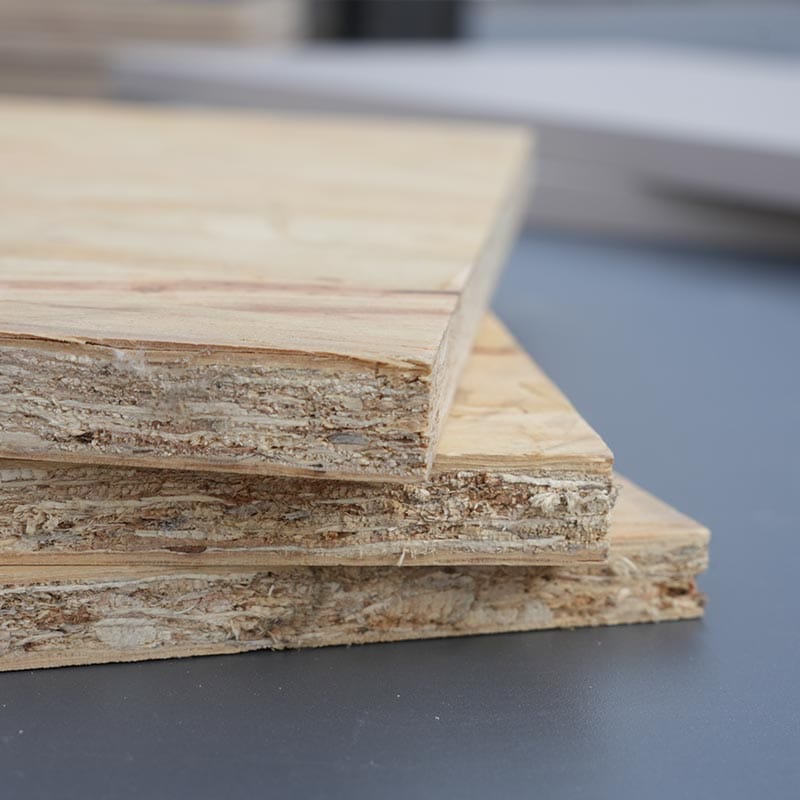
Particleboard is a versatile engineered wood product widely used in furniture, cabinetry, and interior design. Made by compressing wood particles with resin, it offers an affordable, lightweight, and uniform alternative to solid wood. In this guide, we’ll explore the types, applications, benefits, limitations, and best practices for using chipboard in your projects.
What is Particleboard?
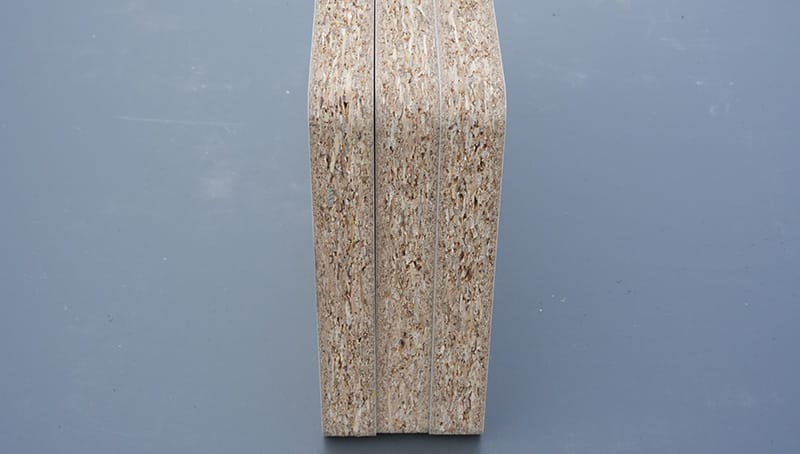
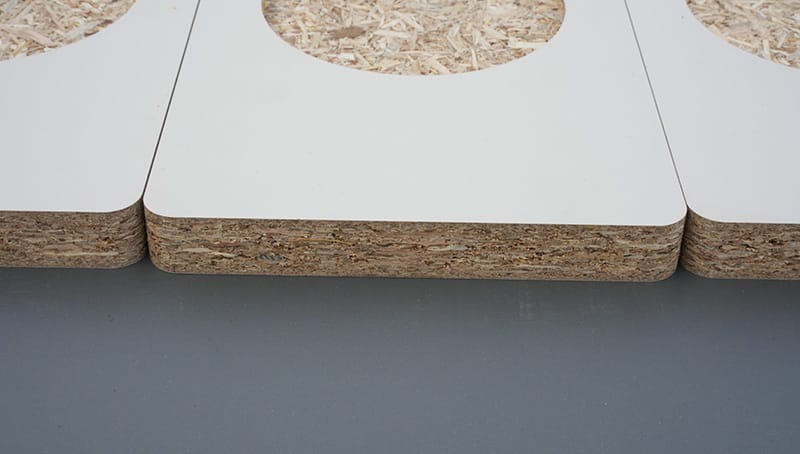
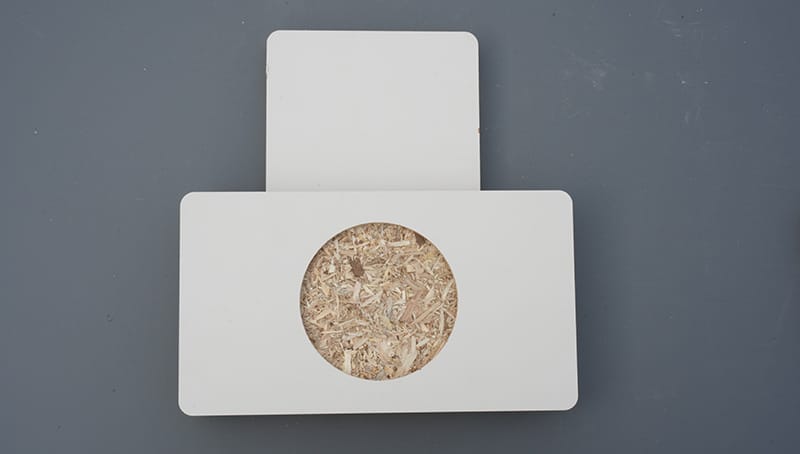
Particleboard consists of small wood chips, sawdust, and wood shavings combined with adhesive resins, pressed into sheets. Unlike plywood or MDF, chipboard has no layered structure, giving it a smooth, uniform surface ideal for veneers, laminates, and decorative finishes.
Types of Particleboard
Chipboard comes in several types, each suitable for different applications:
- Standard Particleboard: Basic panels for furniture and cabinetry, often used under veneers.
- Moisture-Resistant Particleboard: Treated to withstand humidity, suitable for kitchens and bathrooms.
- Fire-Retardant Particleboard: Enhanced with additives to resist ignition, ideal for commercial interiors.
- High-Density Particleboard: Stronger and more durable, perfect for load-bearing applications.
Applications of Particleboard
Chipboard is used extensively across interior projects due to its adaptability:
- Kitchen cabinets and shelving
- Office furniture and desks
- Wall panels and partitioning
- Decorative veneers and laminate surfaces
- Flooring underlayment
Its uniformity ensures smooth surfaces for painting, laminating, or veneering, making it a cost-effective choice for mass-produced furniture and interior solutions.
Benefits of Chipboard
- Lightweight and easy to handle
- Affordable compared to solid wood and MDF
- Smooth surface suitable for finishing
- Eco-friendly options using recycled wood waste
- Consistent thickness and size for uniform assembly
Limitations of Chipboard
- Less resistant to moisture unless treated
- Not as strong as plywood or MDF for structural uses
- Susceptible to chipping or sagging under heavy loads
- Difficult to repair once damaged
Understanding these limitations helps you choose the right chipboard for your specific project and maintain it properly to maximize longevity.
Installation Tips
- Always use moisture-resistant chipboard in humid areas
- Pre-drill holes for screws to prevent splitting
- Avoid excessive weight to prevent sagging
- Seal edges when painting or veneering to reduce swelling
Comparison Table of Common Wood Panels
| Type | Surface | Strength | Best Use |
|---|---|---|---|
| Particleboard | Smooth | Medium | Furniture, Cabinets, Laminate Surfaces |
| MDF | Smooth | Medium-High | Decorative Panels, Cabinets |
| Plywood | Layered | High | Structural, Shelving, Flooring |
| Solid Wood | Natural Grain | High | Furniture, Flooring, Feature Walls |
This table highlights how chipboard compares to other engineered and natural wood products. Its smooth finish and affordability make it a practical choice for non-structural furniture and interior panels.
Maintenance and Care
- Wipe with a dry or slightly damp cloth
- Avoid prolonged exposure to moisture
- Use coasters or protective pads on surfaces
- Check for loose screws or hardware periodically
With proper care, chipboard furniture and panels can last many years, offering both functionality and aesthetic appeal.
Conclusion
Chipboard is a versatile and economical material for a wide range of interior applications. By choosing the right type, understanding its limitations, and following proper installation and maintenance practices, you can achieve beautiful, functional, and cost-effective solutions for your home or office. Its smooth surface and adaptability to finishes make it a favorite choice for designers, DIY enthusiasts, and manufacturers alike.
FAQ
What is particleboard made of?
Chipboard is made from wood chips, sawdust, and resin compressed into flat sheets. It provides a smooth surface suitable for laminates, veneers, and painting.
Is chipboard strong enough for cabinets?
Yes, chipboard is suitable for cabinets and furniture with moderate load requirements. Moisture-resistant or high-density options improve durability.
Can chipboard be used in humid areas?
Standard particleboard is not ideal for humid areas, but moisture-resistant chipboard can be used in kitchens and bathrooms.
How do I maintain chipboard furniture?
Clean with a dry or slightly damp cloth, avoid water exposure, and periodically check for loose screws or hardware.
Can chipboard be cut into custom shapes?
Yes, chipboard can be cut using standard saws or CNC machines, but edges may need sealing to prevent swelling or chipping.
Need Help Choosing the Right Particleboard for Your Project?
If you’re unsure which type of chipboard is best for your furniture or interior design, our experts are here to help. Contact us today for a chipboard consultation, and ensure your project is durable, stylish, and cost-effective. Don’t wait—get in touch now to make your design ideas a reality!
.jpg)