Table of Contents
Introduction
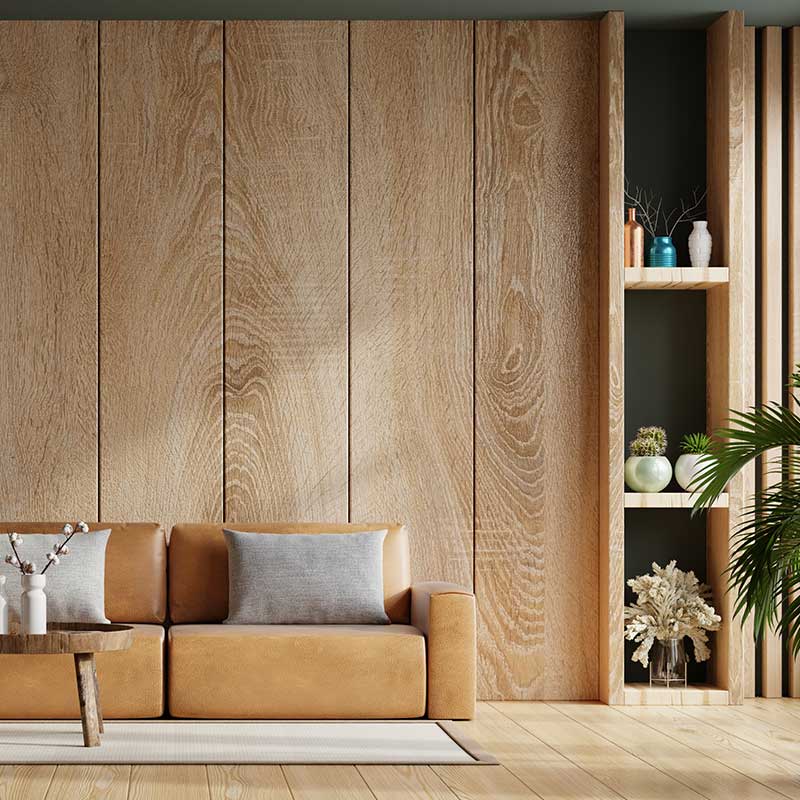
Decor paneling is transforming the way we design interiors, adding depth, texture, and style to both residential and commercial spaces. In 2026, modern decor paneling trends focus on functionality, sustainability, and aesthetics, making it a versatile choice for walls, ceilings, and furniture. This guide explores ideas, materials, and applications to help you create spaces that are both stylish and practical.
What Is Decor Paneling?
Decorative panels refers to decorative panels applied to walls, ceilings, or furniture surfaces to enhance aesthetics and functionality. These panels can be made from wood, MDF, PVC, metal, or composite materials, offering a wide range of textures, finishes, and designs.
Key features of decor paneling include:
- Adds visual interest and texture
- Can improve acoustics in rooms
- Offers easy installation and customization
- Compatible with modern and classic interior styles
According to industry research, the demand for decorative panels has grown steadily, with designers favoring materials that combine style, durability, and eco-friendliness.
Popular Types of Decor Paneling
- Wood Decor Panels: Natural warmth and texture, available in solid wood or veneers.
- MDF Panels: Smooth surfaces ideal for painting, laser-cut designs, or laminates.
- PVC Panels: Lightweight, moisture-resistant, and easy to maintain.
- Metal Panels: Sleek, modern look; often used in commercial interiors.
- 3D Decorative Panels: Add depth and artistic dimension with geometric or abstract designs.
Benefits of Using Decor Paneling
| Feature | Benefit | Application |
|---|---|---|
| Aesthetic Appeal | Enhances visual interest and style | Living rooms, offices, hotels |
| Acoustic Improvement | Reduces noise and echoes | Home theaters, studios, conference rooms |
| Durability | Long-lasting with proper material selection | Kitchens, bathrooms, commercial spaces |
| Easy Maintenance | Wipeable and low upkeep | Restaurants, reception areas, retail stores |
| Versatility | Works on walls, ceilings, and furniture | Offices, homes, furniture facades |
Innovative Applications
- Accent Walls: Highlight a room feature with contrasting panel colors or textures.
- Ceiling Designs: 3D panels or wood slats add dimension and style overhead.
- Furniture Integration: Use decorative panels on cabinets, wardrobes, and headboards.
- Office Interiors: Panels can divide spaces while adding an elegant look.
- Retail and Hospitality Spaces: Durable panels with bold textures create memorable environments.
Top Trends in 2026
- Sustainable Materials: Panels made from recycled wood, eco-friendly MDF, or plant-based composites.
- Textured Finishes: Velvet-touch, stone-like, and 3D surfaces are gaining popularity.
- Customizable Panels: Personalized colors, shapes, and patterns for unique interiors.
- Acoustic Paneling: Functional panels that reduce noise in open spaces and public areas.
- Modular Systems: Interlocking or removable panels allow easy updates and maintenance.
Surveyed interior designers indicate that over 55% plan to integrate eco-friendly and textured decorative panels in upcoming projects, emphasizing both style and functionality.
Tips for Choosing Decor Paneling


- Consider the Room Function: Moisture-resistant panels for kitchens and bathrooms, acoustic panels for living rooms or offices.
- Select the Right Material: Wood for warmth, PVC for durability, MDF for custom finishes.
- Plan Installation: Modular panels simplify updates and maintenance.
- Match Interior Style: Choose textures and colors that complement furniture and flooring.
- Prioritize Sustainability: Low-VOC, recycled, or responsibly sourced materials reduce environmental impact.
Conclusion
Modern decorative panels offers endless possibilities for stylish, functional, and sustainable interiors. By selecting the right materials, finishes, and applications, you can elevate your spaces while addressing practical needs like acoustics and durability. Following the 2026 trends ensures your interiors remain contemporary, elegant, and adaptable.
FAQ
What is decor paneling used for?
Decor paneling is used to enhance walls, ceilings, and furniture with stylish textures and finishes. It adds visual interest, improves room acoustics, and can be customized for residential, commercial, or hospitality spaces.
What materials are used in decorative panels?
Common materials include wood, MDF, PVC, metal, and 3D composite panels. Each offers unique benefits like durability, moisture resistance, acoustic properties, and ease of installation.
Can decor paneling be used in humid areas?
Yes, but moisture-resistant panels such as PVC or treated MDF are recommended for kitchens, bathrooms, or basements to prevent warping and maintain durability.
How do I maintain decor paneling?
Most decor panels are low-maintenance. Regular dusting and wiping with a damp cloth is sufficient. Avoid abrasive cleaners to protect finishes and preserve textures or colors.
Can I customize decor paneling for my interior?
Absolutely. Panels can be painted, laminated, or cut into custom shapes and sizes. Modular systems and 3D panels allow unique designs tailored to your style and functional needs.
Need Help Choosing the Right Decor Paneling for Your Interiors?
If you’re unsure which type of decor paneling is best for your walls, ceilings, or furniture, our experts are here to help. Contact us today for a personalized consultation, and ensure your spaces are stylish, functional, and high-quality. Don’t wait—get in touch now to transform your interiors!
.jpg)