Table of Contents
Introduction
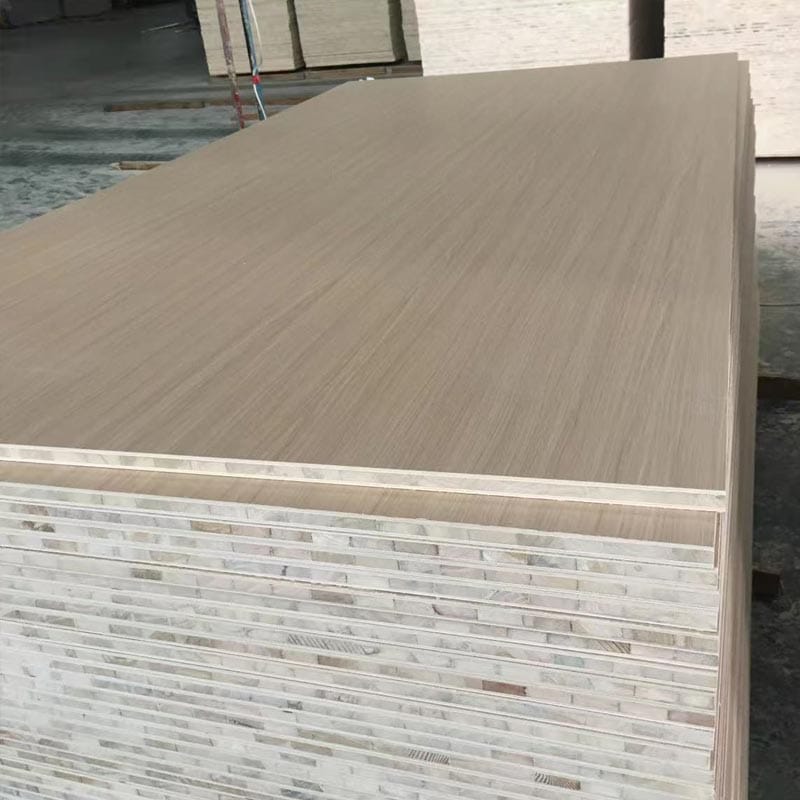
Melamine wall panels have become a cornerstone in modern interior design, combining durability, affordability, and aesthetic appeal. As homeowners and designers look for cost-effective ways to upgrade spaces, melamine panels offer a versatile solution for walls in residential, commercial, and office settings.
This article explores the latest trends in melamine wall panels for 2026, including materials, designs, applications, and innovations shaping contemporary interiors.
What Are Melamine Wall Panels
Melamine wall boards are engineered panels coated with melamine resin, providing a smooth, durable, and easy-to-clean surface. They are widely used for interior walls, partitions, and decorative features due to their lightweight nature, resistance to scratches, and low maintenance requirements.
Unlike traditional wood panels, melamine panels can mimic wood grains, stone, or modern textures while offering enhanced durability and moisture resistance.
Why Melamine Wall Panels Are Popular
Melamine wall boards are gaining popularity because they balance style and functionality:
- Durability: Resistant to scratches, stains, and daily wear.
- Affordability: More cost-effective than natural wood or high-end finishes.
- Versatility: Available in various colors, patterns, and textures.
- Ease of Maintenance: Smooth, non-porous surfaces simplify cleaning.
According to interior design market reports, melamine panels are expected to see a 12% increase in adoption in residential and office projects by 2026 due to their combination of design flexibility and cost efficiency.
Trending Materials and Finishes
2026 design trends focus on a mix of modern and natural aesthetics. Popular melamine wall board materials include:
- High-Gloss Melamine: Adds a sleek, reflective finish ideal for contemporary interiors.
- Matte Melamine: Creates a subtle, elegant surface suitable for minimalist designs.
- Textured Melamine: Mimics natural materials such as wood, concrete, or stone.
- Patterned Melamine: Geometric or abstract patterns are gaining popularity for accent walls.
Color Trends
Color plays a vital role in interior design. Current melamine wall panel trends include:
- Neutral shades: Beige, gray, and soft white for calm, versatile backgrounds.
- Bold accents: Deep blues, emerald greens, and matte blacks for statement walls.
- Natural tones: Wood-inspired colors that bring warmth and texture into spaces.
These colors allow designers to create both subtle and striking visual effects, adaptable for living rooms, offices, and commercial interiors.
Applications in Interior Design
Melamine wall panels are used in diverse interior spaces:
- Residential: Living rooms, bedrooms, kitchens, and feature walls.
- Commercial: Offices, reception areas, and meeting rooms.
- Retail & Hospitality: Display walls, partitions, and decorative accents.
Their lightweight and pre-finished nature allows for faster installation compared to traditional wall coverings, making them ideal for renovations and new builds alike.
Advantages of Melamine Wall Panels
Melamine panels offer several benefits for interior projects:
- Durability: Resistant to scratches, stains, and moisture.
- Cost Efficiency: Lower material and maintenance costs.
- Design Flexibility: Wide variety of textures, patterns, and colors.
- Eco-Friendliness: Many panels are manufactured from recycled wood or low-emission adhesives.
- Easy Installation: Lightweight and pre-finished panels reduce labor time.
Comparison of Melamine Wall Panel Types
| Type of Panel | Surface Finish | Durability | Cost | Typical Use |
|---|---|---|---|---|
| High-Gloss Melamine | Shiny, reflective | High | Medium | Modern living rooms, offices |
| Matte Melamine | Smooth, soft | Medium | Medium | Minimalist interiors, bedrooms |
| Textured Melamine | Wood, stone, concrete textures | High | Medium | Accent walls, commercial spaces |
| Patterned Melamine | Geometric or abstract | Medium | Medium | Feature walls, retail interiors |
This table helps designers select the right panel based on durability, finish, and intended space.
Installation Trends
2026 interior design emphasizes clean lines and modular approaches. Trending installation techniques include:
- Vertical or horizontal panel alignment for visual height or width emphasis.
- Full-wall coverage to create seamless, modern looks.
- Combination with LED lighting for enhanced accent walls.
- Modular panel grids to add depth and texture in office or commercial spaces.
These installation trends make melamine panels a versatile tool for creative design applications.
Sustainability and Material Innovation
Sustainability is increasingly important. Modern melamine wall panels often feature:
- Low-VOC adhesives for safer indoor air quality.
- Recycled wood content to reduce environmental impact.
- Water-based finishes for eco-friendly surface coating.
Manufacturers are developing panels that are both environmentally responsible and performance-oriented, meeting the growing demand for green building materials.
Future Trends in 2026

Looking ahead, melamine wall panels are expected to evolve with:
- 3D and textured patterns that mimic natural materials more realistically.
- Smart wall panels with integrated acoustic or thermal insulation properties.
- Custom printing technologies for fully personalized designs.
- Sustainable and recyclable materials as environmental standards tighten.
These innovations will continue to make melamine wall panels a go-to solution for modern interiors.
Conclusion
Melamine wall panels are not just practical—they are central to creating stylish, durable, and flexible interior spaces. By understanding current trends, designers and homeowners can make informed choices that enhance aesthetics, reduce maintenance, and deliver long-term value in 2026 interior design projects.
FAQ
What are melamine wall panels?
Melamine wall panels are engineered panels coated with melamine resin, offering a durable, scratch-resistant, and easy-to-clean surface. They are widely used in homes, offices, and commercial spaces for decorative and protective wall finishes.
What are the benefits of melamine wall panels?
They provide durability, low maintenance, moisture resistance, and cost efficiency. Available in various colors, textures, and patterns, they allow designers to create stylish interiors while reducing installation and upkeep time.
Where can melamine wall panels be used?
Melamine wall panels are ideal for residential walls, kitchens, bedrooms, living rooms, as well as office partitions, reception areas, and retail or hospitality spaces due to their aesthetic appeal and versatility.
How do I choose the right melamine wall panel?
Consider factors such as finish type (glossy, matte, textured), durability, moisture resistance, color, and design style. Matching panels to room function ensures long-lasting performance and cohesive interior design.
Are melamine wall panels eco-friendly?
Many modern melamine panels use recycled wood and low-VOC adhesives. Water-based coatings and sustainable manufacturing practices make them a greener choice for environmentally conscious interior projects.
Need Help Choosing the Right Melamine Wall Panels?
If you’re unsure which melamine wall panels are best for your interior design project, our experts are here to help. Contact us today for a personalized consultation, and ensure your walls are stylish, durable, and perfectly suited to your space. Don’t wait—get in touch now to transform your interiors with the right panels!
.jpg)