Table of Contents
Introduction

Melamine board panels are widely used in modern furniture manufacturing and interior design due to their durability, design flexibility, and cost efficiency. From residential cabinetry to commercial interiors, they offer a practical surface solution that balances aesthetics and performance. This guide explains what melamine panels are, how they work, and where they are most effectively used.
What Are Melamine Panels
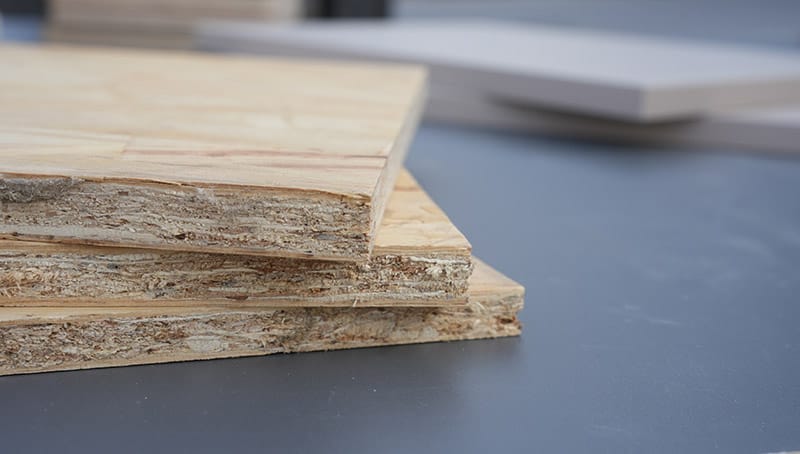
Melamine board panels are engineered boards created by bonding a decorative melamine resin layer onto a wood-based core such as MDF, particleboard, or plywood. The melamine surface is heat-pressed onto the substrate, forming a hard, protective, and visually appealing finish.
Industry material research shows that melamine-coated surfaces are widely adopted in furniture production because they provide consistent quality, resistance to wear, and a wide range of design options.
How Melamine Panels Are Manufactured
The production process generally includes:
- Preparing the wood-based core material
- Impregnating decorative paper with melamine resin
- Heat and pressure lamination onto the substrate
- Cooling and trimming for final finishing
This process results in a durable surface that is resistant to scratches, stains, and daily wear.
Key Features of Melamine Panels
Melamine board panels offer several functional and aesthetic advantages:
- Scratch-resistant surface suitable for daily use
- Wide variety of colors, textures, and wood-grain patterns
- Easy maintenance and cleaning
- Stable structure with minimal deformation
- Cost-effective alternative to solid wood finishes
- Compatible with modern furniture production systems
Common Applications in Interior Design
Melamine board panels are used across a wide range of interior applications:
- Kitchen cabinets and storage units
- Wardrobes and closet systems
- Office desks and workstation furniture
- Bookshelves and display cabinets
- Interior wall panel systems
- Retail and commercial fixtures
Their versatility makes them suitable for both functional and decorative environments.
Types of Melamine Panels
Different types are used depending on design and performance requirements:
- Glossy Panels: High-shine finish for modern interiors
- Matte Panels: Soft, low-reflection surface for minimalistic design
- Wood Grain Panels: Natural wood appearance without solid wood cost
- Textured Panels: Enhanced tactile and visual depth
- Double-Sided Panels: Suitable for structural furniture components
Performance Comparison Table
| Panel Type | Surface Finish | Durability | Maintenance | Best Application |
|---|---|---|---|---|
| MDF Melamine Panels | Very Smooth | Medium | Easy | Painted furniture |
| Particleboard Panels | Smooth | Medium | Easy | Budget furniture |
| Plywood Panels | Layered | High | Medium | Structural furniture |
| Gloss Melamine Panels | High Shine | Medium | Very Easy | Modern interiors |
| Textured Panels | Decorative | High | Easy | Feature surfaces |
Advantages for Modern Interiors
Melamine board panels are widely preferred in modern interior design because they:
- Support fast and efficient furniture production
- Offer consistent surface quality across large batches
- Allow flexible design customization
- Reduce finishing time compared to natural wood
- Provide a wide range of aesthetic options
These advantages make them a core material in contemporary interior solutions.
Installation and Handling Tips
To ensure long-term performance:
- Store panels in a dry and flat environment
- Use proper cutting tools to avoid edge chipping
- Seal exposed edges for moisture protection
- Follow precise measurements during installation
- Avoid direct water exposure during handling
Proper installation directly affects durability and appearance.
Maintenance Guidelines
Melamine board panels are easy to maintain:
- Clean with a soft cloth and mild detergent
- Avoid abrasive cleaning materials
- Wipe spills immediately
- Keep away from prolonged moisture exposure
- Inspect joints in installed furniture periodically
Design Flexibility
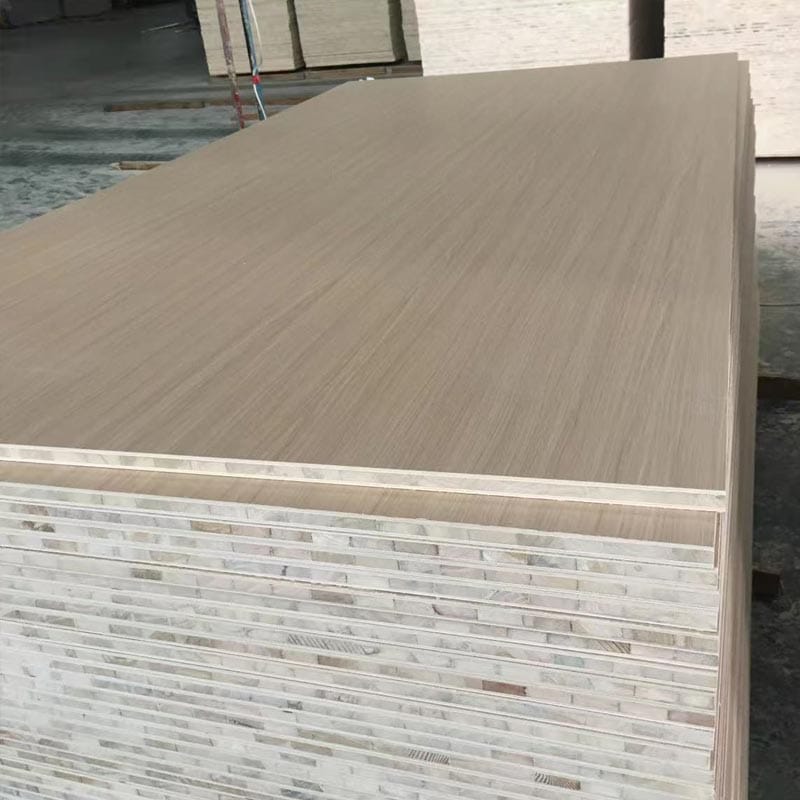

One of the key strengths of melamine panels is their design versatility. They can replicate natural wood, stone, or abstract finishes, allowing designers to achieve different interior styles without relying on expensive natural materials. This makes them highly adaptable for modern residential and commercial projects.
Conclusion
Melamine board panels are a practical and versatile material for modern interior applications. Their combination of durability, design variety, and cost efficiency makes them suitable for a wide range of furniture and architectural uses. By selecting the right type and finish, users can achieve both functional performance and strong visual appeal in their projects.
FAQ
What are melamine panels made of?
Melamine board panels are engineered by applying a decorative melamine resin-impregnated surface layer onto a wood-based core such as MDF, particleboard, or plywood. This lamination process creates a durable, decorative finish that improves surface resistance while maintaining structural stability.
Are melamine panels durable?
Yes, melamine board panels are known for their durability in interior applications. They offer strong resistance to scratches, stains, and everyday wear, making them suitable for long-term use in furniture, cabinetry, and interior design environments with frequent handling.
Where are melamine panels commonly used?
Melamine panels are widely used in interior furniture and design projects, including kitchen cabinets, wardrobes, office desks, shelving units, and decorative wall systems. Their versatility allows them to fit both residential and commercial interior applicatio
Can melamine panels resist moisture?
Melamine panels provide moderate moisture resistance due to their sealed surface layer. However, their performance depends on the core material. For humid environments, moisture-resistant MDF or plywood cores are recommended for better long-term stability.
How do you clean melamine panels?
Melamine panels are easy to maintain. Regular cleaning can be done using a soft cloth with mild detergent and water. Avoid abrasive cleaners or rough materials, as they may damage the surface finish and reduce long-term appearance quality.
Need Help Choosing the Right Melamine Panels for Your Project?
If you’re unsure which melamine panels best fit your furniture or interior application, our experts are here to help. Contact us today for a professional consultation and ensure your project achieves durability, efficiency, and modern design quality. Don’t wait—get in touch now to optimize your material selection!
.jpg)