Table des matières
Wooden panels are one of the most versatile and stylish solutions for enhancing home interiors. They provide warmth, texture, and a sense of depth that paint or wallpaper alone cannot achieve. Whether you want to create an accent wall, cover a ceiling, or improve acoustics in a room, choosing the right wood panels can make a significant difference in both aesthetics and functionality. This guide will walk you through everything you need to know about wood panels, from types and styles to installation, maintenance, and design inspiration.
Introduction
What Are Wood Panels?
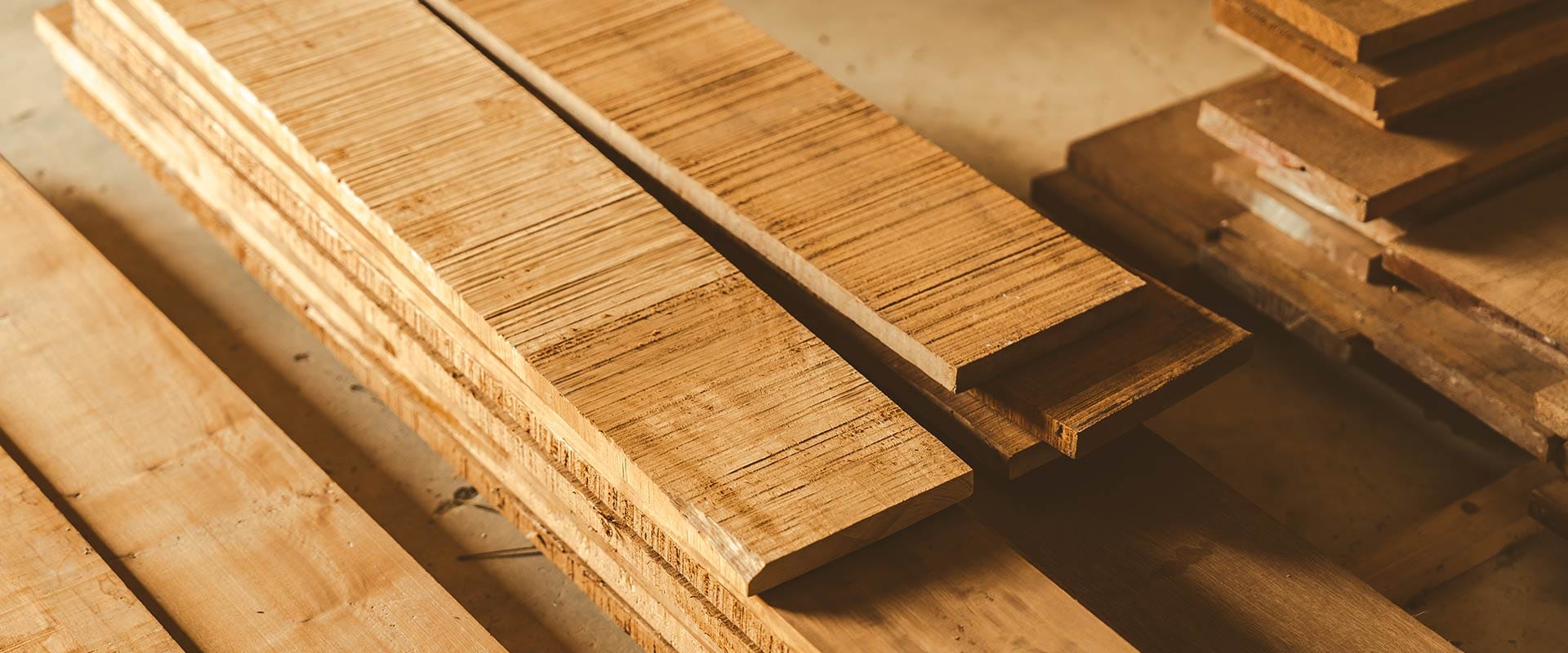
Wooden panels are sections of wood or wood-based materials designed to cover walls, ceilings, or other surfaces. They can be made from solid timber, engineered composites, or plywood, each offering distinct benefits in terms of appearance, durability, and cost. According to a 2023 home interior survey, rooms with wooden panel accents are perceived as 25% warmer and more inviting compared to those with plain walls, emphasizing their impact on comfort and ambiance.
Types of Wood Panels: Solid, Engineered, and Plywood
- Solid Wooden Panels: Made entirely from natural timber, providing premium quality, longevity, and a timeless aesthetic.
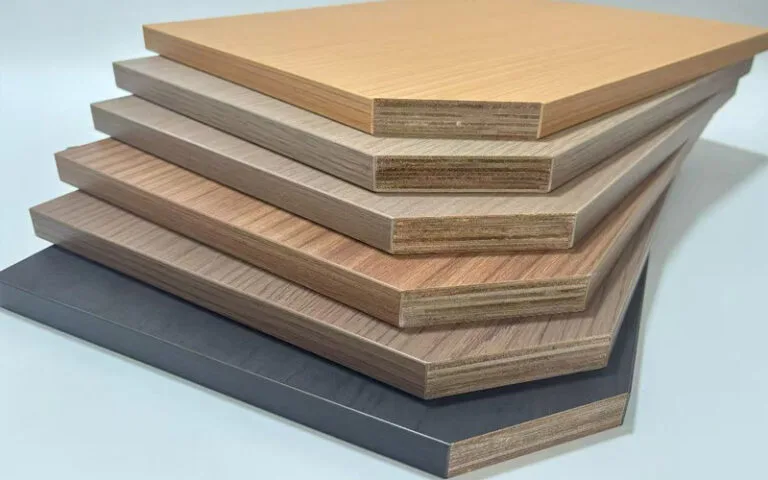
- Engineered Wood Panels: Composed of multiple layers or wood fibers for added stability and cost-effectiveness, often resistant to warping.
- Plywood Panels: Thin sheets of wood veneer glued together for structural stability, commonly used for both wall coverings and furniture applications.
Materials and Eco-Friendly Options
Many wooden panels now come from sustainably sourced or recycled wood, aligning with environmentally conscious design trends. Choosing FSC-certified or reclaimed wood not only reduces environmental impact but also adds unique character and texture to your interiors.
Benefits of Using Wood Panels in Your Home
Wooden panels enhance more than just appearance. They provide thermal insulation, sound absorption, and can even increase property value. Properly installed and maintained panels can last decades, making them a practical and aesthetically pleasing investment.
Choosing the Right Style and Design
Modern vs Rustic Wood Panels
Modern panels typically have clean lines and uniform finishes, perfect for minimalist or contemporary interiors. Rustic panels showcase natural wood grain, knots, and textures, adding warmth and character to living spaces.
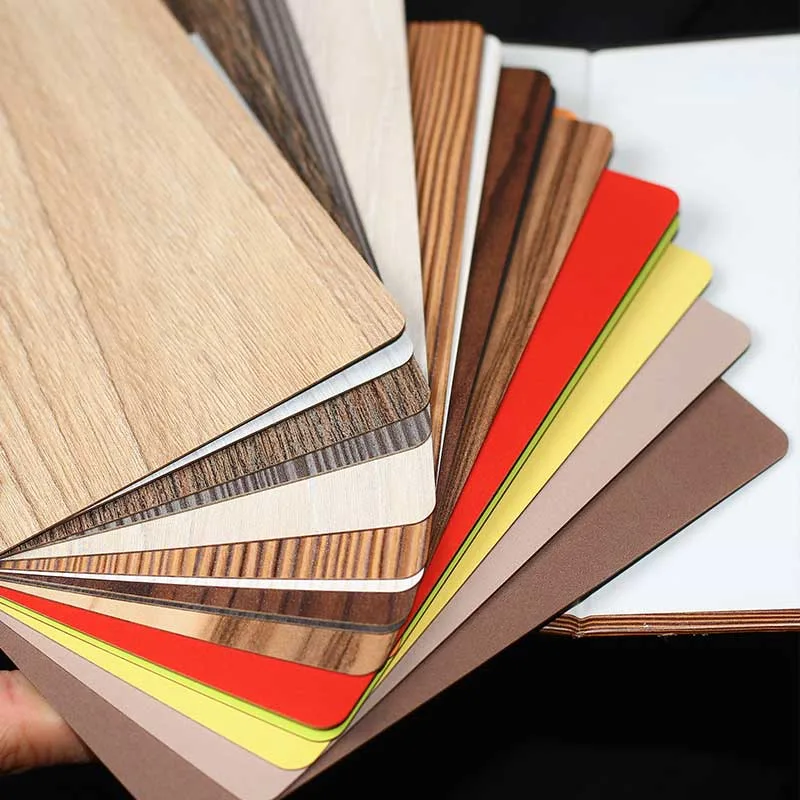
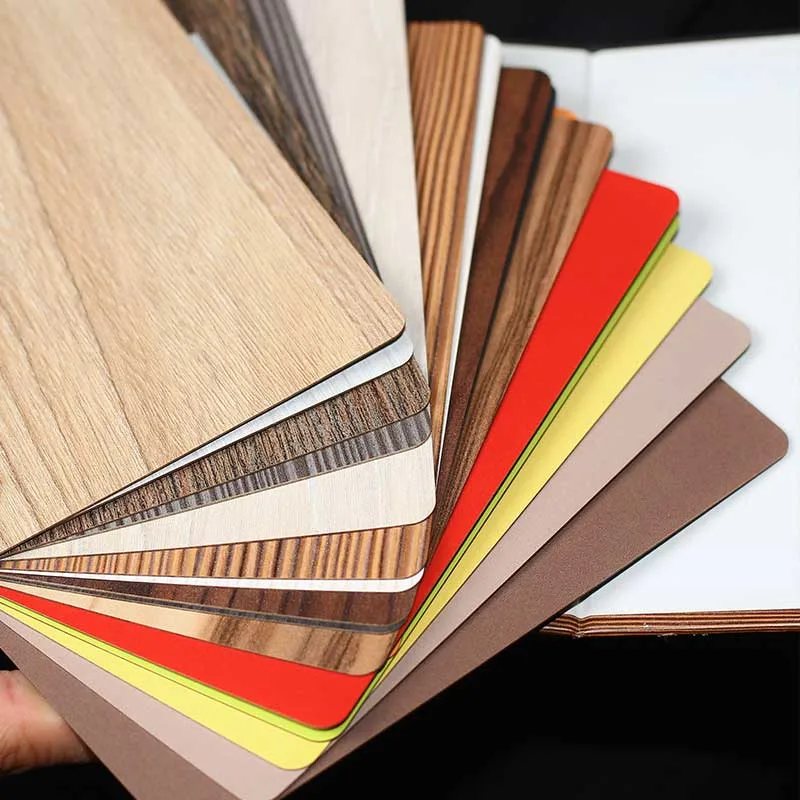
Color, Texture, and Grain Patterns
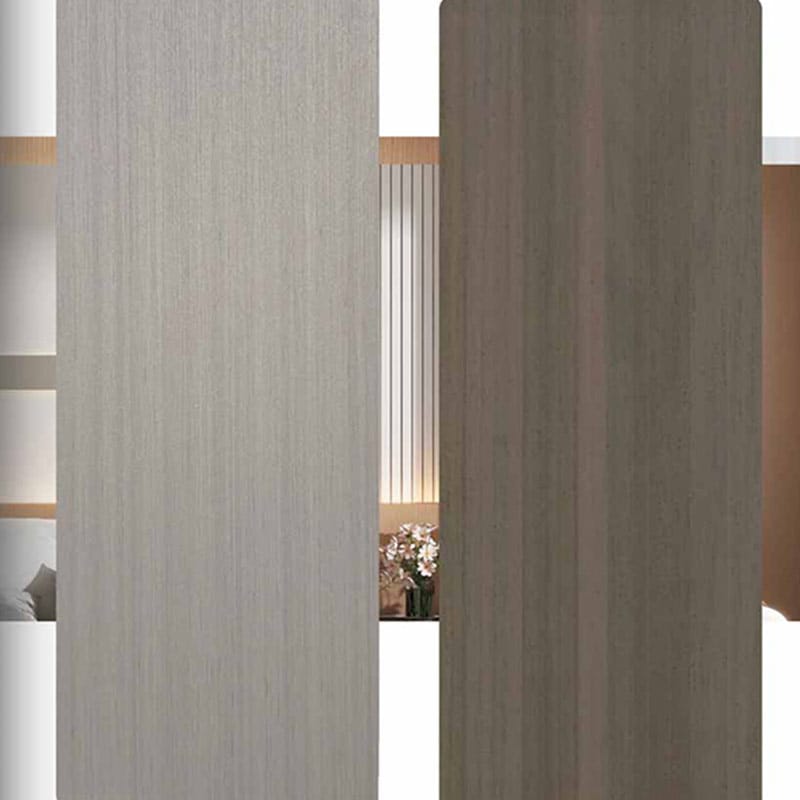
Light wooden panels open up small spaces and create a bright, airy feel, while dark panels add sophistication and depth. Grain patterns, textures, and finishes can dramatically influence the room’s mood, allowing customization for any design preference.
Wood Panels for Different Rooms
Living rooms and bedrooms benefit from wooden panels that create feature walls or cozy corners, while kitchens and bathrooms require moisture-resistant panels. Home offices and study rooms can gain improved acoustics and focus-enhancing aesthetics through well-chosen panels.
Accent Walls and Ceiling Applications
Wooden panels are not limited to walls. Installing panels on ceilings or combining wall and ceiling designs adds depth and uniqueness to a room. Paired with strategic lighting, panels can highlight textures and patterns effectively.
Installation Guide for Wood Panels
DIY Installation vs Professional Help
Small projects can often be completed by DIY enthusiasts using adhesive or nails. However, complex or large-scale installations are best handled by professionals to avoid misalignment, warping, or gaps.
Tools and Materials Needed
Essential tools include a level, adhesive, screws or nails, a saw for cutting panels, and spacers for alignment. Interlocking systems are also available for easier installation.
Step-by-Step Installation Process
- Prepare the wall by cleaning and leveling the surface.
- Plan the layout to avoid uneven gaps or mismatched patterns.
- Attach panels using adhesive, nails, or screws.
- Trim edges for a seamless finish.
- Apply sealant if moisture resistance is required.
Tips for Wall Preparation and Panel Alignment
Measure twice and check alignment frequently. Using staggered patterns or alternating textures can enhance visual appeal and reduce installation errors.
Maintenance and Durability
Cleaning and Upkeep Tips
Routine dusting and occasional wiping with a damp cloth is usually sufficient. Avoid harsh chemicals or abrasive cleaners that could damage finishes.
Protecting Panels from Moisture and Sunlight
Excessive moisture may cause warping, and direct sunlight can fade finishes. Engineered or treated panels are recommended for high-humidity areas.
Repainting, Staining, and Refinishing Options
Panels can be refreshed with paint, stain, or sealant to adapt to evolving interior design trends or restore original beauty.
Ensuring Long-Term Performance
Maintaining stable room temperature and humidity, protecting from direct sunlight, and regular cleaning will maximize the lifespan of your wood panels.
Comparing Wood Panels with Other Wall Coverings
To make an informed choice, consider how wood panels compare to alternatives:
| Fonctionnalité | Wood Panels | Panneaux MDF | Plywood Panels | Wallpaper |
|---|---|---|---|---|
| Durability | High, long-lasting | Moyen | Moyen | Faible |
| Entretien | Moderate | Easy | Easy | Easy but replace often |
| Aesthetic | Natural, textured, customizable | Uniform | Simple | Flat, pattern-dependent |
| Insulation | Thermal and acoustic benefits | Minimal | Minimal | None |
| Cost | Medium to high | Low to medium | Moyen | Faible |
As shown, wooden panels offer a balance of style, durability, and functional benefits that is hard to match with other wall coverings.
Buying Guide: Where and How to Purchase Wood Panels
Online Stores vs Local Suppliers
Online stores provide convenience and variety, while local suppliers allow you to inspect quality and receive expert advice.
Custom and Pre-Made Panels
Custom panels are ideal for unique dimensions and designs, while pre-made panels suit standard projects and quicker installations.
Wholesale and Bulk Orders
Bulk purchasing can reduce costs for larger renovations. Always confirm quality and finish standards when buying in bulk.
Estimating Cost Per Square Foot
Solid wooden panels are generally more expensive than engineered or plywood panels, typically costing 15–25% more per square foot.
Creative Ideas and Interior Inspiration
Accent Walls and Feature Panels
Accent walls with wooden panels create focal points that instantly elevate a room’s design.
Combining Panels with Paint, Lighting, and Furniture
Panels can be paired with neutral paint, furniture, or lighting to highlight textures and integrate seamlessly into your interior design.
3D and Textured Wood Panel Designs
3D panels add depth and dimension, making spaces feel dynamic and visually interesting.
Eco-Friendly Design Ideas
Using recycled or sustainably sourced wood aligns style with environmental responsibility, adding a unique touch to interiors.
Conclusion
Choosing the right wood panels requires balancing style, material, installation, maintenance, and budget. By understanding the types, exploring design possibilities, and following proper installation and care guidelines, you can transform your home with panels that are both beautiful and functional. Investing in quality wood panels not only enhances aesthetics but also adds long-term value and comfort to your living space.
FAQ
What are wood panels?
Wooden panels are sections of solid, engineered, or plywood wood used to cover walls, ceilings, or furniture, adding texture, warmth, and style to interiors.
How do I install wooden panels?
Wooden panels can be installed using adhesive, nails, screws, or interlocking systems. Professional installation is recommended for large or complex projects.
Are wood panels suitable for humid areas?
Yes, but moisture-resistant or treated wood panels should be used in bathrooms, kitchens, or other areas with high humidity to prevent warping or damage.
What is the difference between solid and engineered wood panels?
Solid wooden panels are made entirely from natural timber and offer durability and premium aesthetics, while engineered panels are layered or composite, providing stability and cost-effectiveness.
Where can I buy high-quality wood panels?
Wooden panels are available through online stores, local suppliers, wholesale distributors, and custom manufacturers depending on your project needs.
Need Help Choosing the Right Wood Panels?
If you’re unsure which wooden panels are best for your home or project, our experts are here to guide you. Contactez-nous today for a personalized consultation, and ensure your interiors are stylish, functional, and long-lasting. Don’t wait—get in touch now to transform your space with the perfect wood panels!