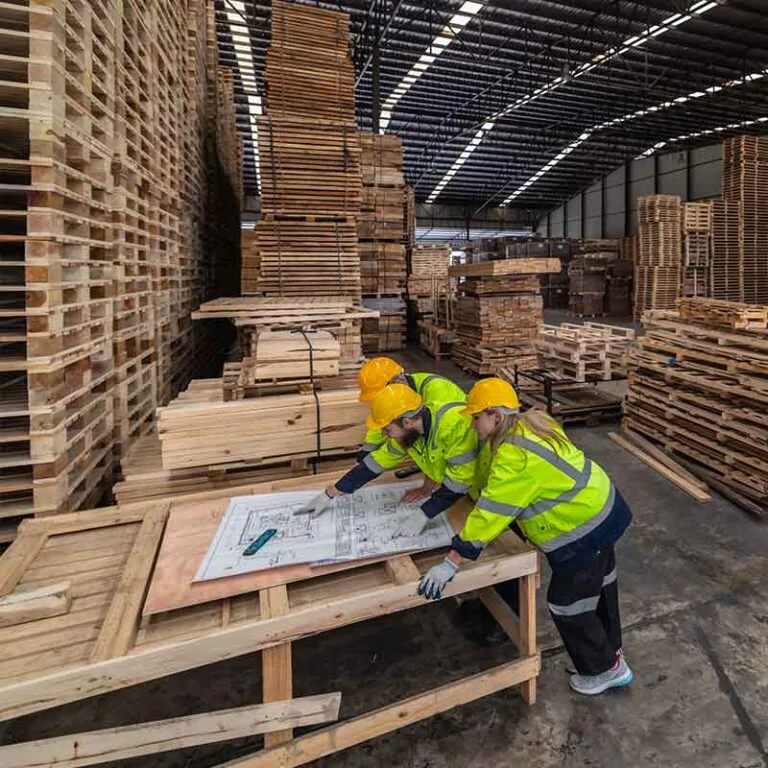
Le panneau de bois massif le marché évolue à mesure que les acheteurs accordent une plus grande valeur à l'apparence naturelle, à l'approvisionnement responsable, à la stabilité dimensionnelle et à la personnalisation flexible. En 2026, choisir la bonne planche n'est plus simplement une question d'espèces de bois ou de prix. Les fabricants de meubles, les architectes d'intérieur, les entrepreneurs et les distributeurs envisagent la valeur complète du matériau, de l'origine forestière aux performances du produit fini.
Principaux points à retenir de cet article :
- Les surfaces en grains naturels et tactiles remplacent les finitions trop uniformes.
- Le chêne, le frêne, le noyer et d’autres espèces visuellement distinctives restent populaires.
- La traçabilité et l'approvisionnement responsable deviennent des exigences d'achat.
- Les revêtements à faibles émissions et les finitions d'aspect naturel retiennent l'attention.
- Des panneaux plus larges et des dimensions personnalisées peuvent aider les fabricants à réduire les déchets.
- Le contrôle de l'humidité et la stabilité dimensionnelle restent des indicateurs de qualité essentiels.
- Les planches récupérées et jointes aux doigts créent de nouvelles opportunités commerciales.
- Les acheteurs attendent de plus en plus des données techniques, un classement cohérent et un approvisionnement fiable.
Table des matières
Qu'est-ce qu'un panneau de bois
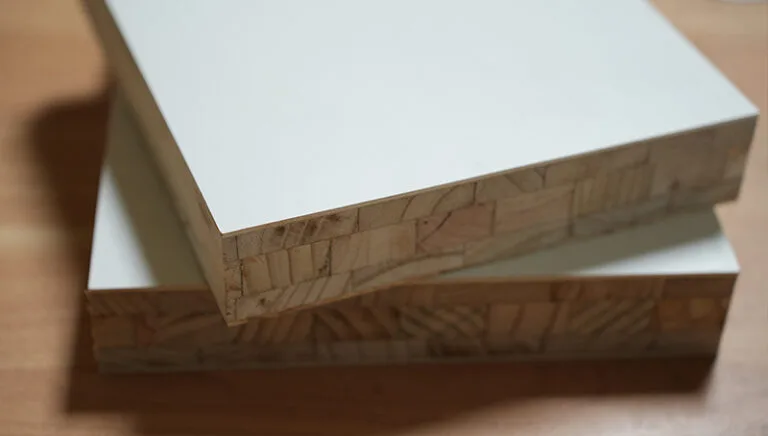
A panneau de bois massif est produit à partir de bois naturel plutôt que de fibres de bois, de particules ou de placages minces liés sur un noyau séparé Selon la méthode de fabrication, il peut être constitué d'une section continue de bois ou de plusieurs bandes de bois massif réunies.
Contrairement au MDF ou au panneau de particules, le bois massif conserve la variation naturelle des grains, les différences de couleur et de nombreuses caractéristiques structurelles de l'arbre d'origine. Ces caractéristiques le rendent particulièrement attrayant pour les meubles, les composants d'escalier, les comptoirs, les étagères, les portes et les projets intérieurs décoratifs.
Bois massif d'une pièce
Une planche monobloc est découpée dans une seule section de bois Elle offre un grain continu et un aspect très naturel, mais sa largeur disponible est limitée par la taille des grumes et elle peut être plus sensible au mouvement lié à l'humidité.
Planche en bois massif collé sur les bords
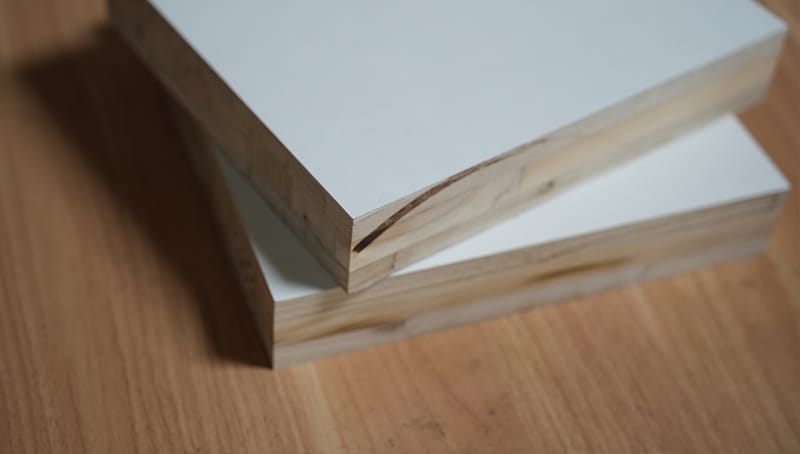
Un panneau collé par les bords est fabriqué en liant côte à côte des bandes étroites de pleine longueur Cette construction supporte des dimensions plus larges, une meilleure utilisation des matériaux et une production plus prévisible pour les applications de meubles et de menuiserie.
Planche articulée au doigt
Un panneau à joint doigt utilise des pièces plus courtes reliées par des joints usinés avec précision. Il peut réduire les déchets de matières premières et améliorer l’efficacité de l’approvisionnement, bien que les joints visibles puissent le rendre mieux adapté aux surfaces peintes ou aux projets où un grain uniforme n’est pas requis.
Pourquoi la demande de panneaux de bois massif évolue en 2026
La demande est façonnée par l’influence combinée du design d’intérieur, des attentes environnementales, de l’efficacité de la fabrication et des exigences du commerce international.
Les clients apprécient toujours la chaleur et la durabilité du bois naturel, mais les acheteurs professionnels posent maintenant des questions plus détaillées : D'où vient le bois ? quelle est sa teneur en humidité ? le fournisseur peut-il conserver la même qualité ? quel adhésif ou revêtement a été utilisé ?
Les matériaux naturels deviennent plus visibles
Le bois ne se limite plus aux cadres structurels ou aux composants de meubles cachés. Les designers l'utilisent comme élément visible dans les panneaux muraux, les comptoirs, les façades d'armoires, les étagères et les meubles tendance.
Ce changement augmente la demande de planches soigneusement sélectionnées avec un grain attrayant, une variation de couleur contrôlée et des surfaces adaptées à une finition transparente.
Les acheteurs veulent des produits qui durent
Les cycles de vie courts des produits créent des coûts de remplacement et des déchets de matériaux supplémentaires En réponse, de nombreux acheteurs manifestent un plus grand intérêt pour les meubles et composants réparables fabriqués à partir de matériaux pouvant être poncés, remis en état ou réutilisés.
Une planche de bois massif bien sélectionnée supporte cette demande car sa surface ne dépend pas d'une fine couche décorative.
Principales tendances des panneaux de bois massif pour 2026
1. Le grain naturel devient une caractéristique de conception principale
Les surfaces hautement polies et visuellement uniformes cèdent la place à des finitions qui préservent le grain d'origine Les acheteurs souhaitent de plus en plus voir les nœuds, les stries minérales, le mouvement des couleurs et d'autres caractéristiques naturelles contrôlées.
Caractère Grades
Le bois de qualité caractéristique contient des nœuds et des variations de grains plus visibles que les matériaux de qualité sélective. Il peut donner aux tables, aux armoires et aux murs une apparence plus individuelle tout en permettant aux fabricants d'utiliser une partie plus large de chaque bûche.
Surfaces brossées et texturées
Le brossage des fils et la texture légère enlèvent les fibres de surface plus douces et mettent l'accent sur le grain du bois Ces traitements ajoutent une profondeur tactile sans couvrir l'identité naturelle du matériau.
2. Les tons de bois chauds et moyens gagnent en attention
Les tons chauds de chêne, brun noyer, miel, châtaignier et rougeâtre sourd deviennent plus visibles dans les intérieurs résidentiels et d'hôtellerie Ils apportent de la chaleur tout en restant adaptables aux espaces modernes, rustiques et traditionnels.
Plutôt que de se fier à une tache lourde, les fabricants peuvent sélectionner des espèces dont la couleur naturelle soutient déjà le design prévu Cela peut produire une apparence plus authentique et simplifier le processus de finition.
3. L’approvisionnement responsable passe à l’approvisionnement
Les allégations de durabilité font l'objet d'un examen plus approfondi Les acheteurs commerciaux demandent de plus en plus la certification forestière, des informations sur la chaîne de traçabilité, l'identification des espèces et des documents montrant l'origine légale du bois.
Le Conseil de gestion forestière fournit des systèmes de certification et de chaîne de traçabilité conçus pour soutenir une gestion responsable des forêts La certification ne remplace pas l'inspection de la qualité au niveau des produits, mais elle peut aider les acheteurs à évaluer les pratiques d'approvisionnement.
La traçabilité devient plus détaillée
Une déclaration générale telle que “durablement sourced wood” peut ne plus satisfaire les importateurs ou les grands détaillants Les acheteurs peuvent demander des certificats de fournisseur, des informations sur la région de récolte, de la documentation de transaction et des enregistrements au niveau des lots.
La préparation à l’EUDR affecte le commerce du
Le règlement de l'UE sur la déforestation couvre le bois et certains produits dérivés. Selon le Informations sur la mise en œuvre actuelle de la Commission européenne, [TRADUCTION] ?, le règlement commence à s'appliquer aux grands et moyens opérateurs le 30 décembre 2026, avec un calendrier ultérieur pour de nombreux micro et petits opérateurs.
Les exportateurs desservant les marchés européens devraient donc confirmer la portée des produits, les obligations applicables, les procédures de traçabilité et les exigences en matière de documentation client.
4. Les finitions à faibles émissions deviennent plus importantes
La qualité de l'air intérieur influence la sélection des matériaux et des revêtements. Les acheteurs peuvent poser des questions sur le formaldéhyde, la composition du revêtement, l’odeur, la méthode de durcissement et les émissions de composés organiques volatils.
Étant donné que le bois massif ne nécessite pas le même processus de liaison aux fibres que le MDF ou les panneaux de particules, il peut convenir à certaines stratégies de produits à faibles émissions. Cependant, les adhésifs utilisés dans les panneaux joints et les revêtements appliqués sur la surface doivent toujours être évalués.
Finitions Huile et Cire
Les huiles et cires d'aspect naturel pénètrent ou protègent la surface tout en préservant le grain visible Elles sont souvent faciles à entretenir, bien que leur résistance aux taches, à l'eau ou à l'abrasion dépende de la formulation et de l'application.
Revêtements à base d'eau
Les finitions à base d'eau peuvent fournir une apparence claire avec une teneur en solvant inférieure à celle de nombreux systèmes traditionnels. Les fabricants doivent toujours tester l’adhésion, la dureté, la résistance chimique et le changement de couleur avant la production en série.
5. Dimensions personnalisées prennent en charge une production efficace
Les planches standard ne correspondent pas toujours aux exigences de coupe des usines de meubles En 2026, davantage d'acheteurs de B2 B comparent les fournisseurs en fonction de leur capacité à fournir des épaisseurs, largeurs, longueurs, qualités de surface et services d'usinage personnalisés.
Une planche de bois massif de taille correcte peut réduire les étapes de coupe, améliorer le rendement et réduire le volume des chutes Le prix d'achat par planche peut être plus élevé, mais le coût total de fabrication peut être inférieur.
6. Les panneaux plus larges restent populaires
Les grandes tables à manger, les îlots de cuisine, les bureaux et les surfaces d'armoires d'apparence transparente suscitent un intérêt croissant pour les panneaux larges. Étant donné que le bois naturellement large est limité et peut bouger de manière plus significative, la construction collée sur les bords offre une solution pratique.
Le problème important n'est pas simplement la largeur. La sélection des bandes, l’équilibre hydrique, la qualité de l’adhésif, la résistance des joints et la disposition des grains affectent tous les performances finales.
7. Le bois récupéré entre dans d'autres projets
Le bois récupéré fournit une couleur, des marques et un caractère de surface vieillis que les nouveaux matériaux ne peuvent pas facilement reproduire. Il est utilisé dans les murs caractéristiques, les intérieurs de commerces de détail, les meubles d'hôtellerie et les pièces résidentielles distinctives.
Cependant, le matériel récupéré nécessite une inspection minutieuse Les acheteurs doivent vérifier la contamination des métaux, les dommages causés par les insectes, les revêtements inconnus, l'humidité incohérente et la faiblesse structurelle cachée.
8. La notation numérique et le contrôle de la production améliorent la cohérence
De plus en plus de fabricants utilisent des équipements de numérisation, des découpes informatisées, une surveillance de l'humidité et des enregistrements de production numérique. Ces systèmes peuvent améliorer la détection des défauts et aider les fournisseurs à maintenir des lots plus cohérents.
La technologie ne supprime pas la variation naturelle Son but est de classer cette variation avec plus de précision et d'orienter chaque planche vers l'application la plus appropriée.
Planche en bois massif vs Bois d'ingénierie : quels acheteurs doivent choisir ?
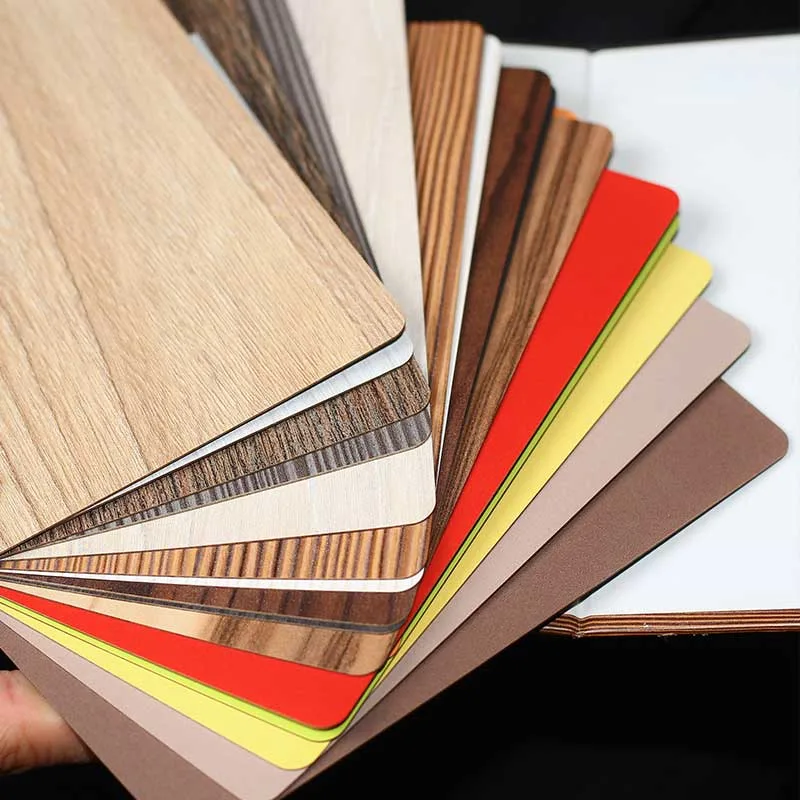
Il n'y a pas de panneau universellement supérieur Le bon choix dépend de l'apparence, des exigences de charge, de l'humidité, du budget, de la méthode de traitement et de la durée de vie prévue.
| Facteur de comparaison | Panneau de bois massif | Contre-plaqué | MDF | panneaux de particules |
|---|---|---|---|---|
| Aspect naturel | Du grain authentique partout | Placage naturel sur noyau en couches | Uniforme et lisse | Habituellement recouvert de stratifié ou de placage |
| Potentiel de réparation | Peut souvent être poncé et remis en état | Limité par l'épaisseur du placage | Difficile après des dégâts profonds | Habituellement difficile à réparer |
| Mouvement dimensionnel | Répond aux changements d'humidité | Généralement plus stable | Stable dans les intérieurs contrôlés | Stable mais vulnérable à l'eau |
| Aspect bord | Peut rester exposé | Le bord en couches nécessite normalement un traitement | Edge nécessite une étanchéité | Edge nécessite généralement des bandes |
| Usinage | Convient pour la menuiserie et le façonnage | Convient à de nombreux processus d'armoire | Excellent pour le routage et la peinture | Commun dans les meubles de panneau économiques |
| Coût typique | Généralement plus élevé | Moyen à élevé | Moyen | Généralement inférieur |
| Le mieux adapté à | Meubles et composants visibles haut de gamme | Armoires et panneaux structurels | Meubles peints et routage décoratif | Meubles modulaires sensibles aux coûts |
Choisissez Bois massif lorsque l'apparence et la longévité comptent
Une planche de bois massif est souvent appropriée lorsque les bords exposés, le grain naturel, le potentiel de finition et la longue durée de vie sont importants. Les exemples courants incluent les tables à manger, les marches d'escalier, les plans de travail, les étagères haut de gamme et les composants de meubles visibles.
Choisissez des panneaux techniques lorsque l'uniformité est la priorité
Le contreplaqué ou le MDF peuvent être plus pratiques lorsqu'un projet nécessite de grandes tôles stables, une épaisseur constante, des surfaces peintes ou un contrôle strict des coûts. Les meubles hybrides peuvent également combiner du bois massif dans des zones porteuses ou visibles avec des panneaux techniques dans des composants moins visibles.
Quelles espèces de bois sont susceptibles d’être populaires ?
Chêne
Le chêne reste largement utilisé en raison de son grain reconnaissable, de ses performances d'usinage et de sa compatibilité avec de nombreuses finitions. Il fonctionne bien pour les tables, les armoires, les pièces d'escalier et les panneaux intérieurs.
Cendre
Le frêne a une couleur claire et un grain fort et ouvert Il convient particulièrement au mobilier contemporain où les designers veulent une surface lumineuse et naturelle.
Noyer
Walnut offre des tons marron riches et une apparence haut de gamme En raison de son coût plus élevé, il est souvent sélectionné pour les meubles de marque, les façades visibles et les intérieurs de luxe.
Pin
Le pin est plus facile à s'approvisionner sur de nombreux marchés et est souvent plus économique que le bois dur. Sa densité plus faible et ses nœuds visibles conviennent aux étagères, aux meubles peints, aux intérieurs rustiques et à certaines applications de construction.
Bois de caoutchouc et autres espèces de plantations
Les matériaux cultivés en plantation peuvent offrir un approvisionnement stable et des prix compétitifs. Leur adéquation dépend de la qualité du séchage, de la consistance des qualités, de la construction conjointe et des exigences de performance du produit fini.
Comment évaluer Planche en bois massif Qualité en 2026
Confirmez la teneur en humidité
La teneur en humidité doit correspondre à l'environnement de fabrication et d'utilisation prévu Une planche trop humide ou excessivement sèche pour sa destination peut couper, fissurer, rétrécir ou développer des problèmes de joints.
Les acheteurs doivent se demander comment l'humidité est mesurée, combien de points sont testés et si les lectures sont enregistrées par lot de production.
Révisez la norme de notation
Des termes tels que qualité A, qualité AB, sélection et qualité de caractère peuvent avoir des significations différentes selon les fournisseurs. Une spécification écrite doit définir les nœuds, fissures, aubier, la variation de couleur, les réparations et les défauts de surface acceptables.
Inspectez la construction de joints
Pour le matériau collé sur les bords ou les doigts, inspectez la qualité de la ligne de colle et l'alignement des joints. Les joints doivent être correctement collés sans ouvertures visibles, sans décalage important ni résidu adhésif excessif.
Vérifiez les tolérances dimensionnelles
L'épaisseur, la largeur, la longueur, l'équerrage et la planéité influencent le traitement en aval Les acheteurs doivent définir des tolérances avant de commander au lieu de se fier à la taille nominale de la planche.
Demander des échantillons de production
Un petit échantillon peut montrer la couleur et la qualité de la surface, mais un panneau de la taille de la production fournit une meilleure preuve de planéité, de disposition des bandes et de cohérence visuelle globale Pour un nouveau fournisseur, tester plusieurs planches d'un même lot est plus informatif que d'examiner un échantillon sélectionné.
Que doivent demander les importateurs à un fournisseur de panneaux de bois massif ?
Avant de demander un devis, les acheteurs peuvent demander :
- Quelles espèces de bois et quel nom botanique sont fournis ?
- Le four à bois est-il séché et quelle plage d'humidité est garantie ?
- La planche est-elle monobloc, collée sur les bords ou jointée au doigt ?
- Quelles règles de notation sont utilisées pour les deux visages ?
- L'épaisseur, la largeur, la longueur et le sable peuvent-ils être personnalisés ?
- Quel adhésif et quel revêtement de surface sont utilisés ?
- FSC ou autre documentation de la chaîne de traçabilité est-elle disponible ?
- Comment les planches sont-elles protégées de l'humidité pendant le transport ?
- Quelles tolérances dimensionnelles l'usine peut-elle maintenir ?
- Le fournisseur peut-il fournir des dossiers de lots et des photos d'inspection avant expédition ?
Ces questions conversationnelles reflètent la façon dont les responsables des achats effectuent de plus en plus de recherches en ligne et interagissent avec les systèmes de recherche assistée par IA Des réponses claires et directes peuvent également aider un fournisseur à démontrer sa compétence technique.
Comment les fabricants peuvent se préparer au marché 2026
Développer des spécifications de produit claires
Chaque citation doit identifier l'espèce, la construction, la qualité, la plage d'humidité, les dimensions, les tolérances, le niveau de ponçage, la finition, l'emballage et la documentation Des spécifications claires réduisent les malentendus entre les échantillons et la production en vrac.
Offrez plus d’une note
Tous les composants ne nécessitent pas une carte impeccable. Fournir des notes sélectionnées, naturelles et de caractère permet aux clients d'équilibrer les exigences visuelles avec le budget et le rendement matériel.
Améliorer les enregistrements de traçabilité
Les fournisseurs doivent organiser les certificats, les registres d'origine matérielle, les lots de production et les documents de transaction avant que les clients ne les demandent. Une documentation fiable peut devenir un avantage important sur les marchés d’exportation.
Concentrez-vous sur la valeur manufacturière totale
Les acheteurs professionnels évaluent plus que le prix unitaire. Une épaisseur constante, des dimensions précises, un contrôle fiable de l'humidité et un emballage approprié peuvent réduire les déchets, les retouches et les retards de production.
Conclusion
Les tendances les plus importantes en matière de panneaux de bois massif en 2026 ne se limitent pas à une couleur ou une espèce particulière. Le marché s’oriente vers des surfaces authentiques, un approvisionnement responsable, une documentation transparente, une production personnalisée et des matériaux conçus pour une durée de vie plus longue.
Pour les fabricants et les importateurs, le succès des achats dépendra de l'équilibre entre l'apparence et les performances techniques. Une planche appropriée doit fournir des céréales attrayantes, une humidité contrôlée, un classement cohérent, une construction fiable et une documentation appropriée au marché de destination. En évaluant ces facteurs ensemble, les acheteurs peuvent sélectionner des produits en bois massif qui répondent à la fois aux préférences de conception actuelles et aux exigences commerciales à long terme.
FAQ
Le bois massif est-il toujours populaire en 2026 ?
Oui. Les céréales naturelles, la réparabilité, la longue durée de vie et la compatibilité avec plusieurs styles intérieurs continuent de répondre à la demande. Cependant, les acheteurs accordent une plus grande attention à l’approvisionnement, à la cohérence de la qualité et à la documentation environnementale.
Quelle couleur bois massif est à la mode en 2026 ?
Les tons chauds et moyens, notamment le chêne naturel, le miel, le brun noyer et les finitions rougeâtres sourdes, sont importants. Le meilleur choix dépend toujours du marché cible, du style de mobilier et des matériaux environnants.
Est un panneau de bois massif mieux que du contreplaqué ?
Il est préférable pour les projets qui donnent la priorité aux bords naturels, au grain authentique, à l'usinage en profondeur et à la finition. Le contreplaqué peut être préférable lorsque la stabilité des tôles, la construction légère ou la production efficace d'armoires comptent davantage.
Quelle est la meilleure planche de bois massif pour une table à manger ?
Le chêne, le noyer, le frêne et certains feuillus de plantation peuvent tous bien fonctionner. La décision doit tenir compte de la dureté, du grain, de la couleur, de l’épaisseur, du contrôle de l’humidité, de l’utilisation attendue et du budget plutôt que de l’espèce seule.
Le bois massif se déforme-t-il facilement
Le bois naturel se dilate et se contracte à mesure que l'humidité change, mais les mouvements sérieux peuvent souvent être réduits grâce à un séchage correct au four, une construction équilibrée, un stockage approprié, une menuiserie appropriée et des conditions intérieures contrôlées.
Les planches jointes aux doigts sont-elles considérées comme du vrai bois ?
Oui. Ils sont fabriqués à partir de profilés en bois massif assemblés par des joints à doigts imbriqués. Ils ne sont pas les mêmes que le MDF ou les panneaux de particules, bien que leur apparence et leur valeur commerciale diffèrent de celles d'un matériau complet ou monobloc.
Le bois récupéré est-il toujours plus durable ?
Pas automatiquement La réutilisation peut prolonger la durée de vie des matériaux et réduire la demande de nouvelles ressources, mais les acheteurs doivent également tenir compte du transport, du nettoyage, des pertes de traitement, de la contamination et de la durabilité du produit.
Quels certificats demander lors de l'importation de planches de bois ?
Les documents requis dépendent du marché de destination et du client. Les acheteurs s’interrogent généralement sur la documentation de récolte légale, les déclarations d’espèces, la certification de la chaîne de traçabilité, les exigences phytosanitaires et la diligence raisonnable applicable liée à la déforestation.
Comment savoir si une planche convient au mobilier d'intérieur ?
Vérifier la teneur en humidité, la qualité de la surface, la tolérance dimensionnelle, l'adhésif, le système de revêtement et les exigences en matière d'émission Un échantillon doit également être testé dans des conditions similaires à l'environnement final de fabrication et d'utilisation.
Merci d'avoir lu !
Je suis content que vous m'ayez rejoint dans ce voyage Si vous trouviez ce contenu utile ou intéressant, j'aimerais entendre vos pensées.
- Suivez-moi sur Facebook pour des conseils, des mises à jour et des discussions communautaires.
Cliquez ici pour vous connecter - S'abonner à mon YouTube canal de tutoriels, de démonstrations et d'informations pratiques.
Cliquez ici pour vous abonner
N'hésitez pas à partager vos commentaires ou vos questions dans les commentaires ou sur les réseaux sociaux Continuons à apprendre et à grandir ensemble !
.jpg)