Table des matières
Les panneaux de fibres de densité moyenne (MDF) sont devenus un incontournable du design d'intérieur moderne et de la fabrication de meubles. Sa texture lisse, sa densité uniforme et son adaptabilité le rendent idéal pour les armoires, les étagères, les panneaux muraux et les accents décoratifs. Si vous prévoyez une rénovation ou un projet de mobilier personnalisé, comprendre comment sélectionner et utiliser des panneaux de fibres de densité moyenne est crucial pour atteindre à la fois la durabilité et l'attrait esthétique.
Introduction
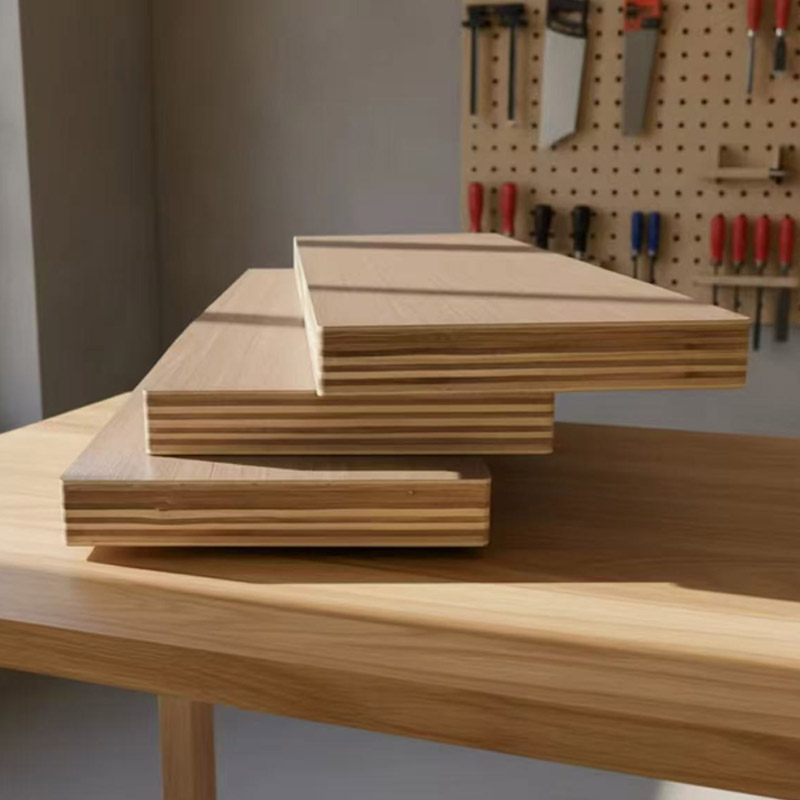
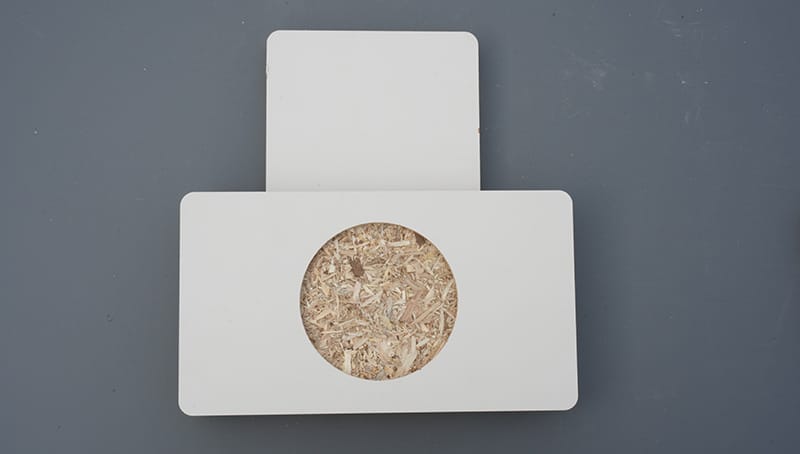
Les panneaux de fibres de densité moyenne sont un produit de bois d'ingénierie fabriqué en comprimant des fibres de bois avec de la résine sous la chaleur et la pression Contrairement au bois naturel, MDF est constant en résistance et en douceur de surface, ce qui facilite la coupe, la forme et la peinture. Selon la recherche en science des matériaux, MDF offre des performances fiables dans des environnements à humidité contrôlée mais nécessite des finitions protectrices dans les zones exposées à l'humidité.
Types de panneaux de fibres de densité moyenne
MDF est disponible dans une variété de types, chacun conçu pour des applications spécifiques :
- MDF standard : Lisse, facile à peindre, idéal pour les meubles et les armoires.
- MDF résistant à l'humidité : Traité pour résister à l'humidité, adapté aux cuisines et salles de bains.
- MDF Ignifuge : Infusé de produits chimiques pour ralentir la propagation du feu.
- MDF haute densité : Plus dense et plus solide, utilisé pour des applications structurelles ou des armoires lourdes.
- MDF plaqué : MDF avec un placage en bois naturel pour une esthétique haut de gamme.
Applications courantes pour les panneaux de fibres de densité moyenne
La polyvalence de MDF permet de l'utiliser dans de nombreux projets :
- Portes d'armoires et façades de tiroirs
- Panneaux muraux et moulures décoratifs
- Étagères et unités de stockage
- Meubles comme tables, bureaux et armoires
- Accents intérieurs et garnitures personnalisés
Avantages de l'utilisation de panneaux de fibres de densité moyenne
Les panneaux de fibres de densité moyenne offrent plusieurs avantages par rapport au bois naturel et aux autres panneaux techniques :
- Finition lisse : Parfait pour peindre et plastifier sans imperfections de surface.
- Uniformité: Pas de nœuds, de déformation ou de motifs de grains incohérents.
- Polyvalence: Peut être coupé, acheminé ou percé pour des conceptions complexes.
- Rentabilité : Généralement plus abordable que le bois massif tout en offrant un attrait visuel similaire.
- Options écologiques : Certains MDF utilisent des fibres de bois recyclées, réduisant ainsi l'impact environnemental.
Idées de conception avec panneaux de fibres de densité moyenne
Utiliser MDF de manière créative peut élever vos espaces intérieurs :
- Murs caractéristiques : Coupez les panneaux MDF en motifs géométriques ou 3 D pour un mur d'accent saisissant.
- Cabinet : Les portes MDF peuvent être peintes en couleurs vives ou sourdes pour correspondre à votre style.
- Unités d'étagères : Combinez MDF avec des supports métalliques pour un look moderne et minimaliste.
- Moulures personnalisées : Utilisez du MDF pour les moulures de couronne, les plinthes ou les garnitures décoratives.
- Stockage intégré : Les unités MDF intégrées peuvent maximiser l'espace dans les petites pièces.
Conseils d'installation pour le panneau de fibres de densité moyenne
Une bonne installation est essentielle à la longévité :
- Acclimater MDF : Laissez les panneaux s'ajuster à la température ambiante et à l'humidité avant l'installation.
- Utilisez des fixations appropriées : Les vis, clous ou adhésifs conçus pour le MDF assurent la stabilité.
- Bords de joint : Les bords en MDF absorbent davantage l'humidité que les surfaces ; l'étanchéité empêche le gonflement.
- Trous de pré-perçage : Empêche de se diviser lors de la fixation du matériel.
- Peinture ou stratifié : Une finition protège la planche et améliore l'esthétique.
Maintenance et Longévité
MDF est durable mais nécessite des soins pour conserver son apparence :
- Nettoyez régulièrement avec un chiffon humide ; évitez l'excès d'eau.
- Repeindre ou refinir les surfaces en cas d'usure.
- Évitez de placer des objets lourds sur des panneaux non supportés.
- Pour les zones sujettes à l'humidité, choisissez MDF résistant à l'humidité et maintenez une ventilation appropriée.
Comparaison des types courants de panneaux de fibres de densité moyenne
| Type | Résistance à l'humidité | Durabilité | Finition de surface | Utilisation Typique |
|---|---|---|---|---|
| MDF standard | Faible | Moyen | Lisse | Meubles, armoires |
| Résistant à l'humidité | Moyen | Moyen | Lisse | Cuisines, salles de bains |
| MDF Ignifuge | Faible | Moyen | Lisse | Intérieurs commerciaux |
| MDF haute densité | Faible | Haut | Lisse | Meubles lourds, applications structurelles |
| MDF plaqué | Faible | Moyen | Décoratif | Meubles haut de gamme, panneaux muraux |
Ce tableau fournit un guide clair pour sélectionner le type de MDF approprié pour votre projet en fonction de la durabilité, de la résistance à l'humidité et de l'attrait visuel.
Considérations relatives aux coûts
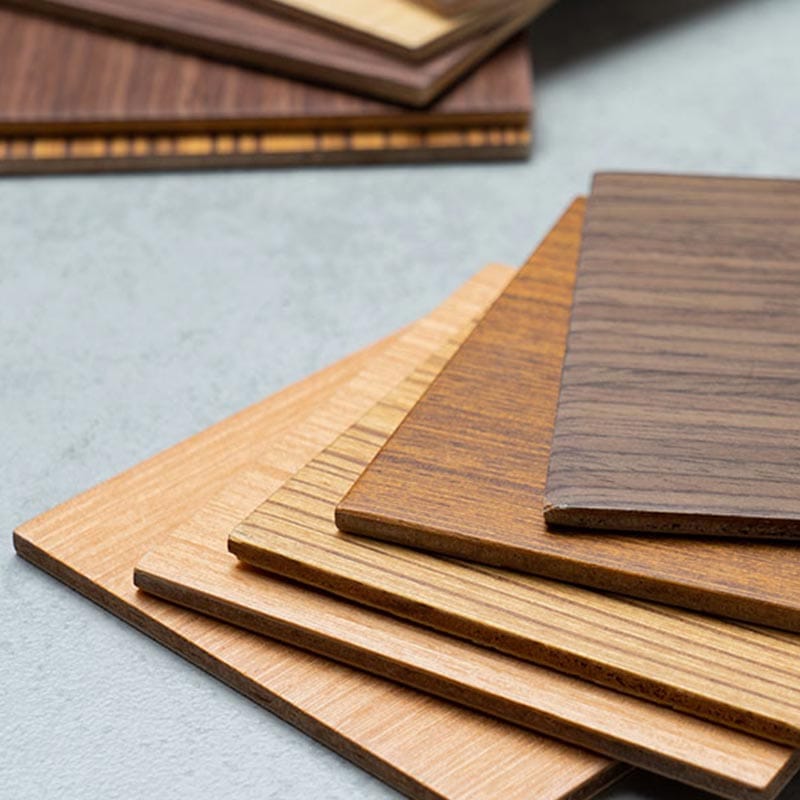
Alors que les prix varient à l'échelle mondiale, le MDF est généralement plus rentable que le bois massif Le choix du bon type en fonction de l'application vous assure d'obtenir l'équilibre entre durabilité, esthétique et efficacité budgétaire L'investissement dans un MDF de qualité avec une finition appropriée augmente la durée de vie et réduit les coûts de maintenance à long terme.
Conclusion
Le panneau de fibres de densité moyenne est une option polyvalente, abordable et visuellement attrayante pour les projets de meubles, d'armoires et de design d'intérieur. En comprenant les types, les applications et les conseils d'installation, vous pouvez prendre des décisions éclairées qui garantissent des résultats durables et élégants.
FAQ
Quelle est la différence entre le MDF et le contreplaqué ?
Panneaux de fibres de densité moyenne (MDF) est fabriqué à partir de fines fibres de bois liées avec de la résine sous chaleur et pression, ce qui donne une surface lisse et uniforme idéale pour la peinture et les applications décoratives Le contreplaqué, en revanche, est constitué de placages de bois en couches collés ensemble, offrant une résistance structurelle plus élevée mais une surface moins cohérente pour les finitions détaillées.
Puis-je utiliser des panneaux de fibres de densité moyenne dans les salles de bains
Oui, vous pouvez utiliser du MDF dans les salles de bains, mais seul le MDF résistant à l'humidité est recommandé Le MDF standard absorbe facilement l'eau, ce qui peut provoquer un gonflement, une déformation ou des dommages au fil du temps. Une ventilation et des finitions protectrices appropriées aident à prolonger la durée de vie du MDF dans les environnements humides.
Comment peindre du MDF sans obtenir de surfaces rugueuses ?
Pour obtenir une finition lisse sur MDF, poncez légèrement la surface d'abord pour éliminer les fibres et la poussière Appliquez un apprêt de haute qualité pour sceller la planche, puis utilisez plusieurs fines couches de peinture, permettant à chaque couche de sécher correctement Ce processus évite les textures rugueuses et assure une finition d'aspect professionnel.
Les panneaux de fibres de densité moyenne sont-ils écologiques ?
Certains produits en MDF sont fabriqués à partir de fibres de bois recyclées, ce qui en fait un choix soucieux de l'environnement L'utilisation du MDF réduit les déchets provenant de la transformation du bois et soutient les pratiques de construction durables Le choix du MDF à faible teneur en formaldéhyde ou sans formaldéhyde ajouté améliore encore l'éco-convivialité.
Le MDF peut-il être découpé en conceptions complexes ?
Oui, MDF est excellent pour les conceptions détaillées et complexes Sa surface lisse et uniforme permet un routage précis, l'usinage CNC et la découpe laser Cela le rend idéal pour les panneaux décoratifs, les moulures personnalisées et les composants de meubles qui nécessitent des motifs fins ou des formes complexes.
Besoin d'aide pour choisir le bon panneau de fibres de densité moyenne ?
Si vous n'êtes pas sûr du type de MDF qui convient le mieux à votre projet, nos experts sont là pour vous aider. Contactez-nous aujourd'hui pour une consultation personnalisée, et assurez-vous que votre mobilier ou votre design d'intérieur est à la fois durable et élégant N'attendez pas touchez dès maintenant pour transformer votre espace en toute confiance !
.jpg)