Table des matières
Introduction
-2.jpg)
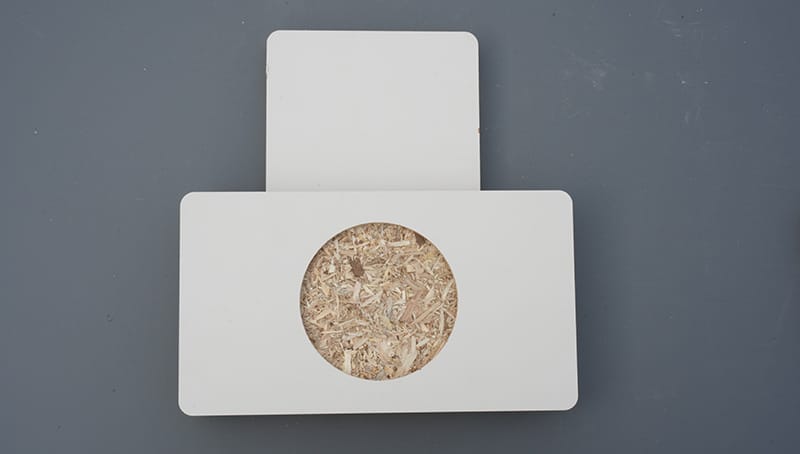
In modern interior design, walls are no longer just boundaries—they define spaces, set moods, and enhance the overall aesthetics of homes, offices, hotels, and commercial buildings. Yet, designers and homeowners often face the challenge of balancing aesthetics with cost. Traditional materials like painted drywall, plaster, or wallpaper are inexpensive upfront but often require frequent maintenance, touch-ups, or replacement.
Enter melamine wall panels—a versatile, durable, and budget-friendly alternative. These panels combine visual appeal with high-performance properties, making them ideal for cost-conscious projects without compromising style or functionality. According to MarketsandMarkets research, the global market for melamine-faced panels is projected to grow to $15.2 billion by 2028, reflecting a CAGR of 6.3%. The growth is fueled by increasing demand from residential projects, commercial offices, retail spaces, and hospitality interiors seeking long-lasting, low-maintenance, and aesthetically versatile solutions.
Interior design expert Emily Richardson emphasizes, “Melamine wall panels offer an unmatched balance of affordability and performance. They are increasingly chosen not just for their durability but for their ability to transform interiors with minimal investment.”
This article explores five cost-effective solutions using melamine wall panels, offering insights into materials, applications, installation, maintenance, and design trends. It is a comprehensive guide for architects, contractors, interior designers, and homeowners who want to maximize value without compromising on style.
Why Melamine Wall Panels Are Cost-Effective
Cost-effectiveness is not just about the purchase price—it encompasses installation, maintenance, durability, and long-term usability. Melamine wall panels excel in each of these areas.
Longevity Reduces Lifecycle Costs
High-quality melamine panels are engineered to withstand daily wear and tear, moisture, scratches, and stains. Depending on the substrate—medium-density fiberboard (MDF) or high-density fiberboard (HDF)—these panels can last 15–25 years, significantly outlasting conventional painted drywall or wallpaper that may need refreshing every 5–10 years.
Minimal Maintenance Saves Time and Money
Unlike paint, wallpaper, or decorative plaster, melamine panels require only periodic cleaning with mild detergent. Their stain- and scratch-resistant surfaces reduce repair or replacement costs, especially in high-traffic areas such as schools, hospitals, offices, and commercial showrooms.
Efficient Installation Reduces Labor Expenses
Panels are lightweight and can be easily cut to precise dimensions, reducing labor hours. Many panels employ adhesive mounting or clip systems, simplifying installation and eliminating the need for heavy framing or complex mounting techniques. This efficiency can reduce installation labor costs by 20–30% compared to traditional wall finishes.
Reduced Environmental Impact
Modern melamine wall panels often use FSC-certified substrates and low-VOC resins, contributing to healthier indoor air quality and sustainability certifications like LEED or BREEAM. Sustainable panels, while slightly higher in upfront cost, reduce future regulatory and operational expenses in commercial projects.
Material Options for High-Value, Low-Cost Panels

Selecting the right material type is essential to achieving a balance between performance, aesthetics, and budget. The following types of melamine wall panels provide reliable cost-effective solutions:
Standard Melamine Panels
Standard panels are smooth and versatile, suitable for residential walls, office spaces, and hallways. They are widely available, low-cost, and maintain a clean and consistent finish, providing long-term durability at minimal expense.
Textured and 3D Panels
Textured or three-dimensional panels add depth, visual interest, and a premium look without the high cost of stone, brick, or marble finishes. Feature walls in hotels, restaurants, or corporate offices can use textured melamine panels selectively to create high-impact aesthetics affordably.
Laminated Panels
Laminated panels combine a melamine surface with additional protective layers. They are moisture-resistant, scratch-resistant, and allow custom finishes such as metallic, woodgrain, or matte textures, offering a balance of style and durability.
Printed or Custom Panels
Digital printing enables highly customized patterns and graphics on melamine panels. This technique is cost-effective for branding, retail spaces, and decorative walls, eliminating the need for labor-intensive mural painting.
Eco-Friendly Panels
Eco-certified melamine panels use low-emission resins and sustainable substrates. While the upfront cost may be slightly higher, their long lifespan and compliance with green building standards provide economic benefits for commercial projects.
Comparative Overview of Cost-Effective Melamine Wall Panels
To provide a practical perspective, the following table compares the average costs, durability, maintenance requirements, and typical applications of different melamine wall panel types:
| Panel Type | Average Cost per m² | Durability (Years) | Maintenance Requirements | Ideal Applications |
|---|---|---|---|---|
| Standard Melamine | $15–$25 | 15 | Faible | Residential walls, offices, hallways |
| Textured 3D | $20–$35 | 18 | Faible | Feature walls, hotel lobbies, showrooms |
| Laminated | $18–$30 | 20 | Moyen | Kitchens, commercial interiors, retail stores |
| Printed/Custom | $25–$40 | 15–20 | Moyen | Retail branding, accent walls, corporate interiors |
| Eco-Friendly | $22–$38 | 20 | Faible | Sustainable projects, green-certified buildings |
This table highlights that cost-effectiveness is achieved not solely through upfront pricing but through durability, low maintenance, and design flexibility.
5 Practical Cost-Saving Solutions Using Melamine Wall Panels
1. Utilize Standard Panels for Large Wall Areas
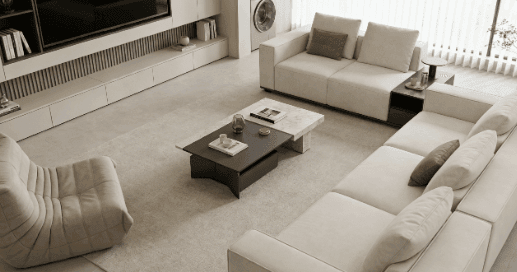
Large, uninterrupted walls benefit from standard melamine panels. They provide uniform coverage at a minimal cost and are suitable for residential apartments, office corridors, and warehouse interiors. Using standard panels reduces the need for expensive custom finishes over broad surfaces.
2. Mix Textured Panels for Feature Walls
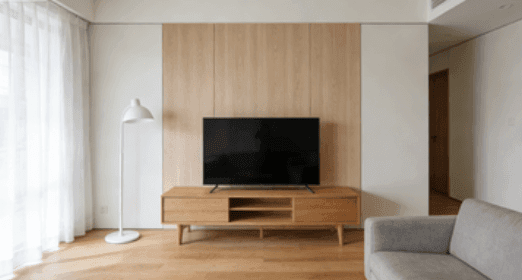
Incorporating small sections of textured or 3D panels creates high-impact visuals without covering the entire wall, balancing aesthetics with budget. This approach is widely used in hotel lobbies, restaurants, and modern office spaces to create statement walls affordably.
3. Integrate Laminated Panels for Wet or High-Use Areas
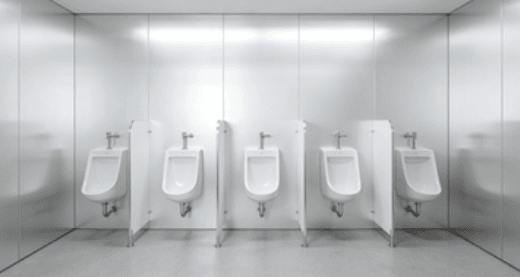
Laminated melamine panels are excellent for kitchens, bathrooms, or public spaces. Their moisture resistance and scratch-proof surface minimize maintenance costs while maintaining an attractive appearance. Laminates with matte or metallic finishes can replicate expensive materials like stone or brushed metal at a fraction of the price.
4. Eco-Friendly Panels in Strategic Zones
Eco-certified panels are a smart investment for areas with heavy traffic or regulatory requirements. Installing these panels in commercial lobbies, school corridors, or hospitals reduces long-term operational costs while contributing to sustainable building certifications.
5. Implement Modular and Interchangeable Panel Systems
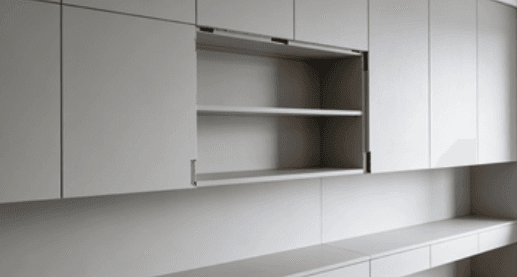
Modular designs allow sections of melamine wall panels to be replaced individually if damaged, without removing the entire wall. This system is particularly beneficial in offices, showrooms, and rental properties where walls are subject to frequent changes or wear.
Advanced Installation Techniques for Cost Efficiency
- Precision Cutting: Using CNC or laser cutting ensures minimal waste and consistent panel sizes.
- Adhesive Mounting: Reduces the need for screws or heavy framing.
- Seam and Joint Protection: Edge banding or caulking prevents water ingress and prolongs panel life.
- Pre-Finished Modular Units: Installing panels as pre-assembled modular units reduces labor time on-site.
- Combination Materials: Mix standard panels with high-end textured or printed panels to achieve a high-quality look on a budget.
Construction expert Mark Reynolds notes, “Proper installation is key to maximizing the cost-effectiveness of melamine panels. Well-prepared substrates, precision cutting, and modular designs ensure the walls last decades with minimal maintenance.”
Design Trends That Enhance Value
Neutral Palettes
Shades of gray, white, and beige remain the most cost-efficient options. They minimize the need for frequent redecorations and pair well with various furnishings.
Bold Accents
Strategically placed bold panels create visual impact while using less expensive standard panels for the rest of the wall, achieving a designer look at a lower cost.
Integrated Lighting
Backlit or edge-lit melamine panels can create dramatic effects without adding additional costly materials. LED integration behind translucent panels is both energy-efficient and visually striking.
Customizable Graphics
Retail and hospitality sectors benefit from printed panels displaying logos, artwork, or brand messaging. Digital printing reduces installation time and avoids high costs associated with murals or wallpapering.
Maintenance and Long-Term Cost Savings
- Clean panels with mild soap and soft cloths to maintain surface integrity.
- Inspect edges and seams periodically for water or wear damage.
- Replace only modular sections if necessary to avoid full-wall renovations.
- Avoid abrasive or chemical cleaners that could damage the melamine surface.
Long-term savings come from reduced replacement frequency, lower labor costs, and minimal cleaning requirements.
Sustainability Considerations
Many modern melamine wall panels meet environmental standards such as FSC certification, low-VOC emissions, and recyclability. Choosing sustainable panels supports corporate social responsibility goals and can contribute to certifications like LEED or BREEAM, potentially reducing operational expenses and enhancing building value.
Conclusion
Melamine wall panels offer a practical, versatile, and stylish solution for cost-conscious projects. By selecting appropriate panel types, combining standard and textured finishes, and using modular designs, designers and property owners can create high-quality walls that last for decades without excessive costs.
Cost-effective does not mean compromising aesthetics—well-planned melamine wall installations deliver durability, low maintenance, and visual appeal. For residential, commercial, or hospitality projects, they are a sustainable and financially sound choice.
FAQ
Are melamine wall panels suitable for budget projects?
Yes. When selecting standard or modular panels, they provide long-lasting durability and visual appeal at low overall cost.
Can panels be customized affordably?
Yes. Laminated and printed panels allow for design customization without expensive construction or finishes.
How do these panels save money long-term?
They reduce maintenance, resist damage, and have lifespans of 15–25 years, minimizing replacement costs.
Are eco-friendly panels more expensive?
Slightly higher upfront costs are offset by sustainability benefits, low maintenance, and potential LEED/BREEAM compliance.
Can individual panels be replaced easily?
Modular and pre-fabricated systems allow easy replacement of damaged sections, reducing long-term renovation expenses.
Merci d'avoir lu !
Je suis content que vous m'ayez rejoint dans ce voyage Si vous trouviez ce contenu utile ou intéressant, j'aimerais entendre vos pensées.
- Suivez-moi sur Facebook pour des conseils, des mises à jour et des discussions communautaires.
Cliquez ici pour vous connecter - S'abonner à mon YouTube canal de tutoriels, de démonstrations et d'informations pratiques.
Cliquez ici pour vous abonner
N'hésitez pas à partager vos commentaires ou vos questions dans les commentaires ou sur les réseaux sociaux Continuons à apprendre et à grandir ensemble !
-3.jpg)
.jpg)