Table of Contents
Introduction

Decorative panels have become a defining element in modern interior design. No longer limited to basic wall coverings, today’s decorative panels combine aesthetics, functionality, and advanced materials to create visually striking and high-performance spaces. As interior trends evolve, designers and project planners are increasingly turning to decorative panels to achieve both creative expression and practical value.
This guide explores the most important decorative wall panels trends for 2026, supported by industry insights, material innovations, and real-world applications. Whether you are working on residential interiors or large-scale commercial projects, understanding these trends will help you make informed design and sourcing decisions.
What Are Decorative Panels and Why They Matter
Decorative wall panels are surface materials designed to enhance walls, ceilings, and furniture with added texture, pattern, or visual depth. They are widely used in both structural and decorative applications, serving as a bridge between architecture and interior styling.
The growing importance of decorative wall panels reflects a broader shift in design priorities. According to interior design trend analyses published by global research firms, there has been a steady increase in demand for materials that offer both visual impact and functional benefits such as acoustic control and durability.
Decorative panels are now considered an essential tool for creating cohesive and immersive environments.
Key Material Trends in Decorative Panels for 2026
Material innovation continues to shape the decorative panels market. In 2026, the focus is on performance, sustainability, and design flexibility.
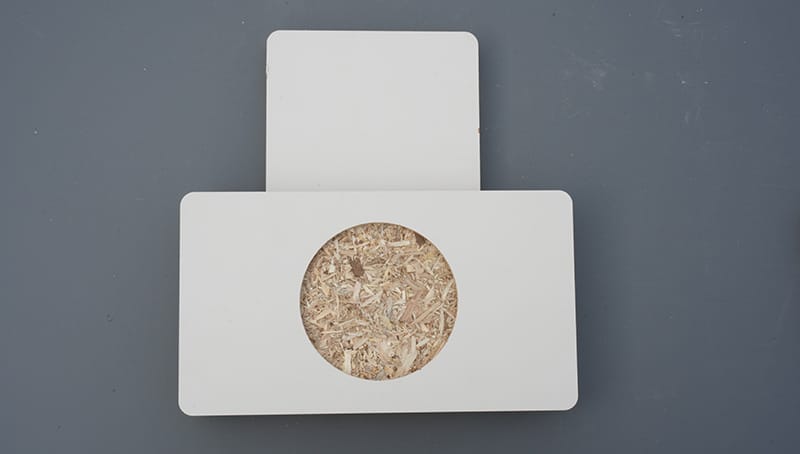
Engineered wood-based panels remain a dominant choice due to their balance of cost and stability. Materials such as MDF and plywood provide consistent quality and are suitable for a wide range of finishes.
Natural materials are gaining renewed attention. Solid wood and veneer panels are often used in premium interiors where authenticity and texture are important.
Sustainability is a major driver of material selection. Industry sustainability reports indicate increasing demand for low-emission panels and recyclable materials. This trend is influencing both product development and purchasing decisions.
Advanced materials are also emerging, including moisture-resistant panels, fire-retardant surfaces, and composite panels designed for high-performance environments.
Design Styles Driving Decorative Panels Trends
Design trends in decorative wall panels are moving toward simplicity, texture, and personalization.
Minimalist flat panels continue to be widely used in modern interiors. Their clean lines and subtle finishes support a calm and balanced environment.
Textured panels are becoming more popular as designers seek to add depth and character to spaces. These include 3D panels, geometric patterns, and sculptural surfaces.
Linear designs, such as slat panels, are gaining strong momentum. They create rhythm and visual continuity while maintaining a natural look.
Custom-designed panels are also on the rise. These allow designers to create unique visual identities, especially in commercial projects where branding plays a key role.
Color and Finish Trends in Decorative Panels
Color trends in decorative wall panels reflect a preference for natural and adaptable palettes.
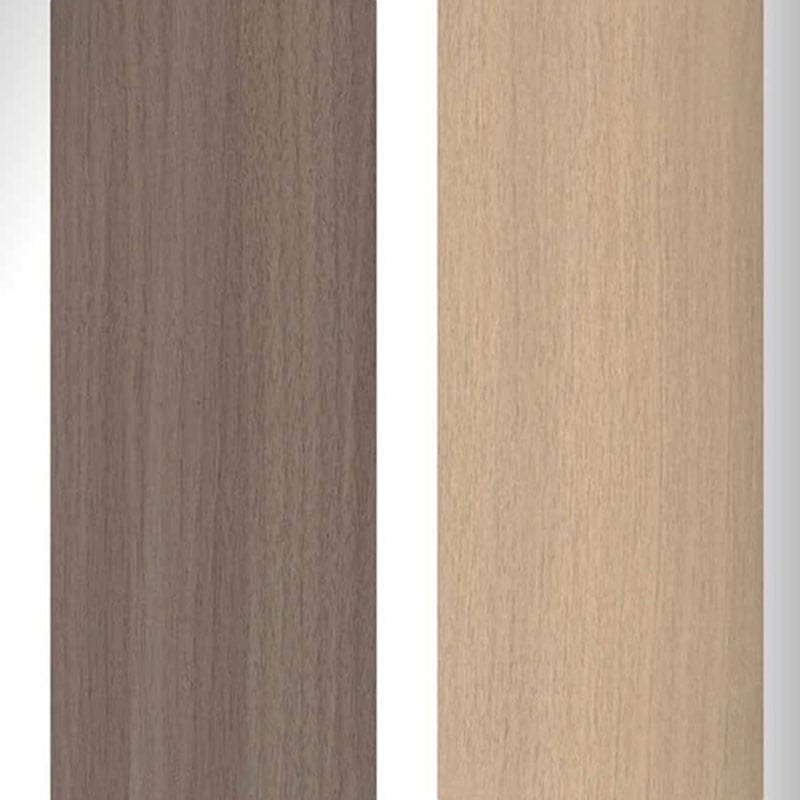
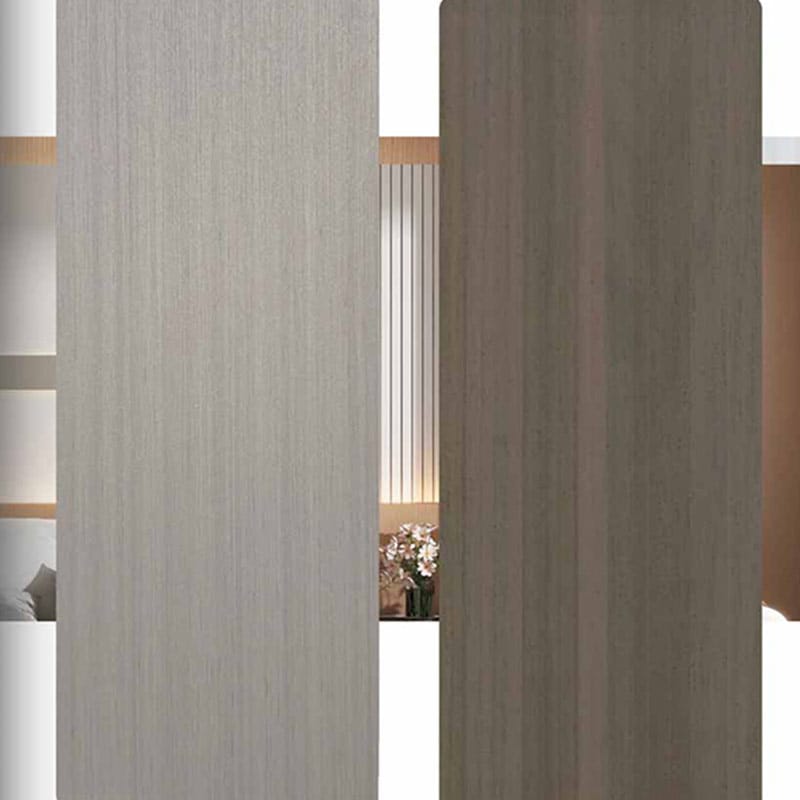
Neutral tones such as beige, grey, and soft white remain popular because they provide flexibility in design. They can easily complement other materials and furnishings.
Natural wood tones continue to dominate, supporting a connection to organic elements and creating a warm atmosphere.
Darker finishes are used strategically to create contrast and highlight architectural features. Matte finishes are increasingly favored for their refined appearance and reduced glare.
High-gloss surfaces are still relevant in certain modern designs, particularly where a sleek and polished look is desired.
Functional Benefits of Decorative Panels
Decorative wall panels offer more than visual appeal. Their functional advantages make them valuable in a wide range of applications.
Acoustic performance is one of the most important benefits. Panels designed with perforations or layered structures can significantly reduce noise levels. Acoustic research shows that properly designed panel systems can improve sound absorption and reduce echo in enclosed spaces.
Durability is another key factor. Decorative wall panels protect underlying surfaces from wear, impact, and environmental exposure.
Thermal performance also contributes to energy efficiency by providing additional insulation.
Maintenance is relatively simple, as most panels are designed with protective coatings that resist stains and scratches.
Applications of Decorative Panels in Modern Interiors
Decorative wall panels are highly versatile and can be applied across different environments.
In residential spaces, they are commonly used for feature walls, ceilings, and built-in furniture. They help create focal points and enhance the overall design.
In office environments, decorative panels improve both aesthetics and functionality. Acoustic panels, for example, enhance sound quality in workspaces.
Commercial interiors such as retail stores and hospitality venues use decorative panels to create distinctive and memorable environments.
Their adaptability makes decorative panels suitable for a wide range of design concepts.
Installation Methods and Best Practices
Proper installation is essential to achieve both visual quality and long-term performance.
There are several installation methods, including adhesive systems and mechanical fixing. The choice depends on panel type, size, and application.
Surface preparation is critical. Walls must be clean, level, and dry to ensure proper adhesion and alignment.
Precision is important during installation, especially for patterned or linear designs. Misalignment can affect the overall appearance.
For large or complex projects, professional installation is recommended to ensure consistency and efficiency.
Market Trends and Buying Considerations
The decorative wall panels market is experiencing steady growth, driven by increased renovation activity and evolving design expectations.
Buyers are becoming more focused on value rather than just cost. Key considerations include material quality, durability, sustainability, and design compatibility.
The following table outlines key factors to consider when selecting decorative panels:
| Factor | Importance Level | Description |
|---|---|---|
| Material Quality | Very High | Determines performance and lifespan |
| Design Flexibility | High | Supports different interior styles |
| Durability | Very High | Ensures long-term use |
| Sustainability | Increasing | Reflects environmental considerations |
| Cost Efficiency | Medium | Balances budget and value |
Market data from interior materials studies indicates that demand for sustainable and customizable panel solutions is growing at a faster rate than standard products.
Common Challenges and Maintenance Tips
Despite their advantages, decorative wall panels can face certain challenges if not properly selected or maintained.
Moisture exposure can affect lower-quality materials, leading to swelling or deformation. Choosing moisture-resistant panels is essential for long-term performance.
Surface damage such as scratches can occur in high-traffic areas. Protective finishes help reduce this risk.
Color fading may happen over time, particularly in areas exposed to strong light. High-quality coatings improve resistance.
Regular maintenance includes gentle cleaning and avoiding harsh chemicals. Proper care helps maintain both appearance and performance.
Future Outlook of Decorative Panels
Looking ahead, decorative wall panels are expected to play an even larger role in interior design.
Sustainability will continue to influence material innovation, with more eco-friendly options entering the market.
Customization will become more accessible, allowing for greater design flexibility.
Integration with smart systems, such as lighting and acoustic technologies, will further expand the functionality of decorative panels.
Minimalist and multifunctional design approaches will continue to shape the use of decorative panels in modern interiors.
Conclusion
Decorative wall panels are no longer just an optional design feature. They are a strategic element that combines visual impact, functional performance, and long-term value. By understanding the latest trends and applying them thoughtfully, you can create interior spaces that are both aesthetically appealing and highly practical.
FAQ
What are decorative panels used for?
Decorative panels are used to enhance walls, ceilings, and furniture surfaces by adding texture, patterns, and visual depth. They are widely applied in residential and commercial interiors to improve aesthetics while also offering functional benefits like protection and acoustic performance.
What materials are decorative panels made of?
Decorative panels can be made from a variety of materials, including MDF, plywood, solid wood, PVC, laminate, metal, and composite materials. Each option offers different levels of durability, design flexibility, and resistance to moisture or wear.
Are decorative panels suitable for all interior spaces?
Yes, decorative panels are highly versatile and can be used in living rooms, bedrooms, offices, retail spaces, and hospitality environments. Choosing the right material ensures they perform well in both dry and humid conditions.
How are decorative panels installed?
Decorative panels can be installed using adhesive systems, clips, or mechanical fasteners, depending on the panel type and surface condition. Proper wall preparation and precise alignment are essential for achieving a clean and professional finish.
Do decorative panels require regular maintenance?
Decorative panels generally require minimal maintenance. Regular dusting and occasional cleaning with a soft cloth are usually sufficient. Using non-abrasive cleaners helps preserve the surface finish and extend the panel’s lifespan.
Need Help Choosing the Right Decorative Panels?
If you’re unsure which decorative panels best match your design goals, performance requirements, or project budget, our experts are here to help. Contact us today for a personalized consultation and get professional guidance on selecting high-quality, durable, and visually impactful panel solutions. Don’t wait until installation begins—get in touch now to ensure your project achieves a refined, long-lasting, and standout finish!
.jpg)