Table of Contents
Cabinet doors are a defining feature of your home’s interior, and the panels you choose can completely transform the look and feel of your kitchen, bathroom, or storage spaces. Panels for cabinet doors are not just decorative; they contribute to durability, ease of maintenance, and even insulation. According to interior design research, homes with upgraded cabinet panels report a 25% higher satisfaction rating in terms of aesthetics and usability.
Selecting the right panels for cabinet doors involves understanding material options, design choices, installation methods, and maintenance requirements. In this guide, we break down everything you need to know to make an informed decision that balances style, functionality, and longevity.
Introduction
What Are Panels for Cabinet Doors?
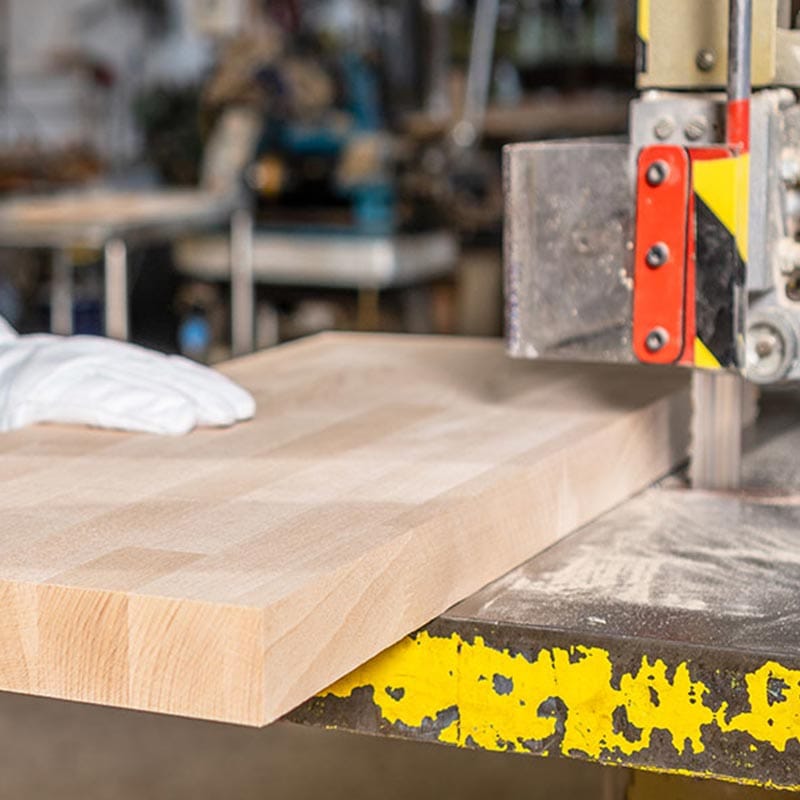
Panels for cabinet doors are flat or recessed sections made from materials such as solid wood, MDF, plywood, or composites. They can be installed on cabinet frames to create visual depth, provide protection against wear, and enhance overall functionality. Beyond aesthetics, they can also improve sound insulation and hide minor imperfections in cabinetry construction.
Benefits of Using Panels
The primary benefits include:
- Enhanced durability and resistance to daily wear
- Improved visual appeal and customization options
- Potential acoustic and thermal insulation
- Flexibility to update finishes over time
Types of Panels for Cabinet Doors
Solid Wood Panels
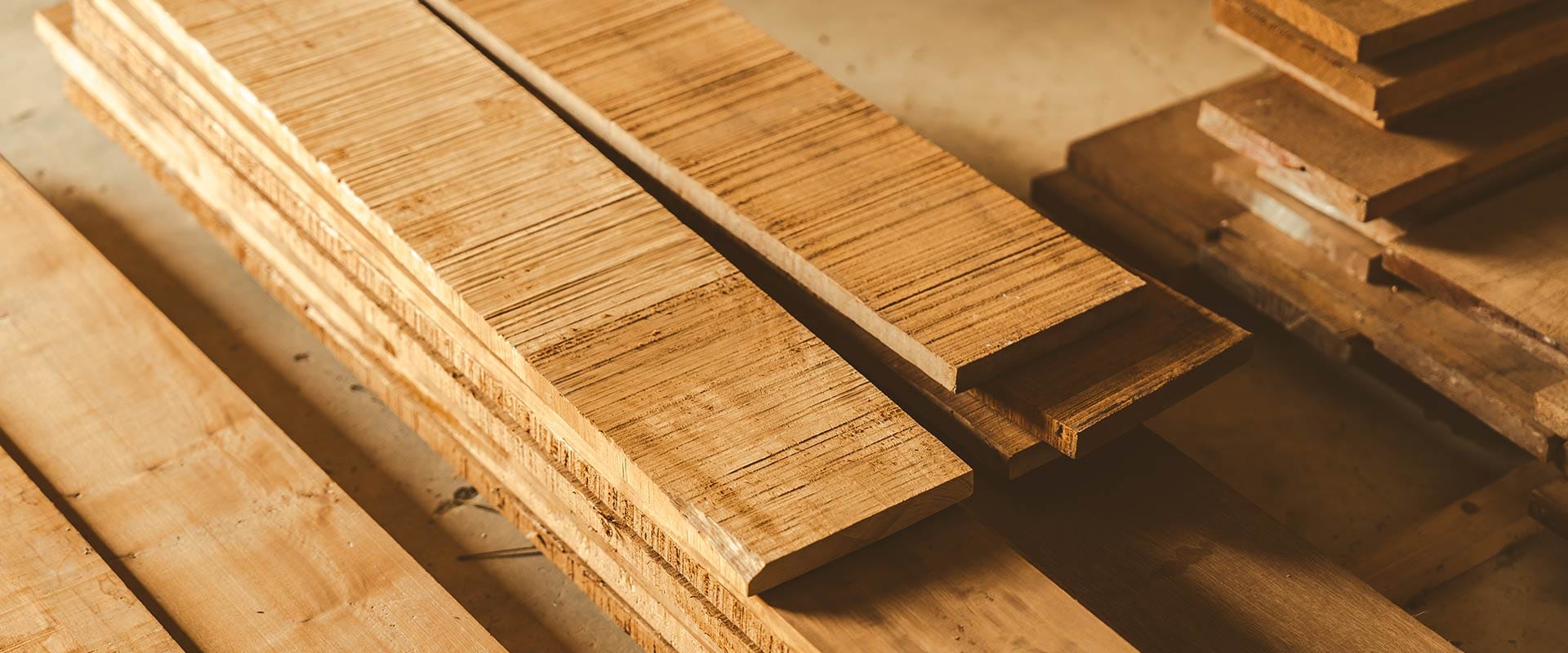
Solid wood panels are known for their longevity and classic aesthetic. They can be refinished multiple times and provide natural grain patterns that add warmth and character to any room.
MDF and Plywood Panels
MDF panels are smooth, cost-effective, and easy to paint, making them ideal for modern interiors. Plywood panels provide added structural stability and resist warping in environments with fluctuating humidity.
3D and Textured Panels
Three-dimensional panels bring depth and visual interest to cabinet doors. Textured panels can also help with acoustic dampening, particularly in kitchens and entertainment areas.
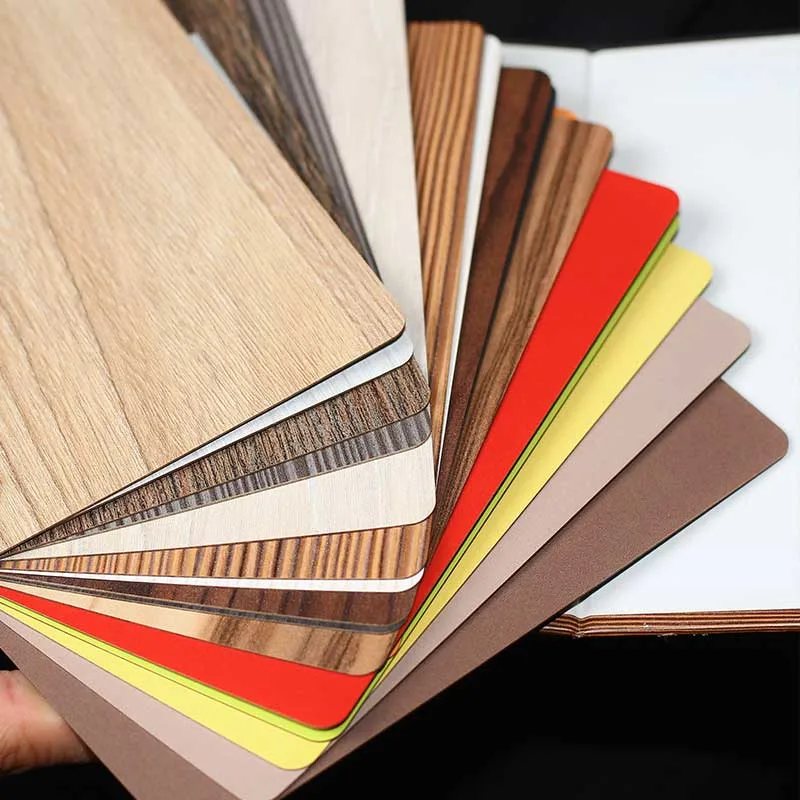
Decorative and Modern Panels
Decorative panels include carved designs, inlays, and pre-finished patterns. Modern panels focus on sleek, minimalist aesthetics, often with flat surfaces and subtle textures.
Choosing the Right Style and Design
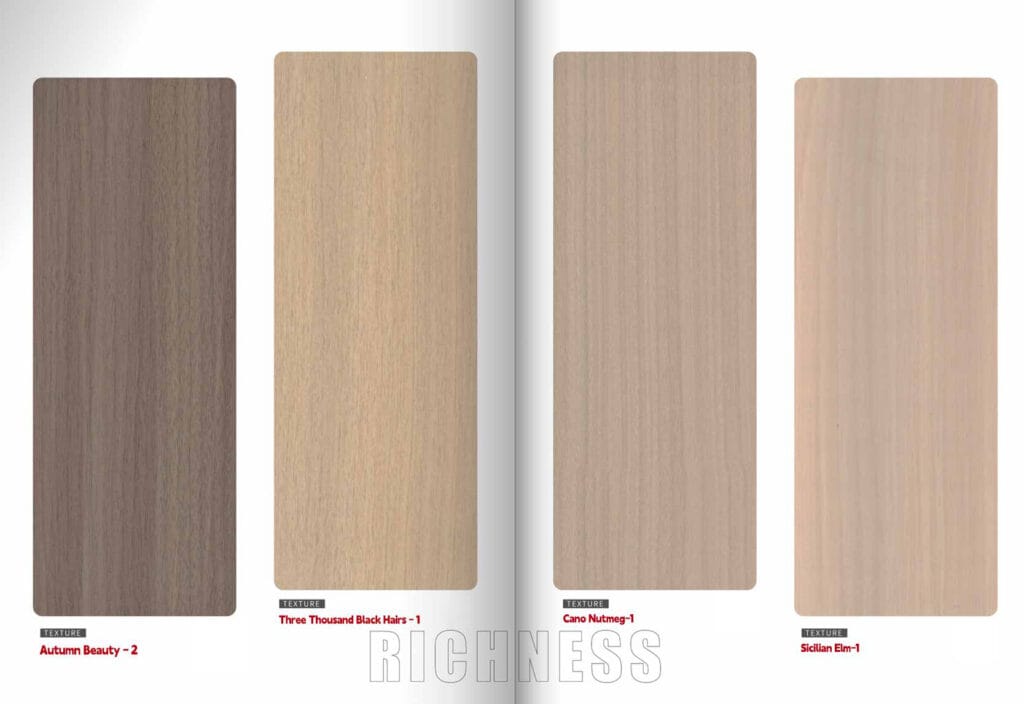
When selecting panels for cabinet doors, consider how they fit with the room’s overall style. Accent panels can highlight specific cabinets, while uniform designs create a cohesive look. Colors, finishes, and textures should complement your furniture, flooring, and lighting. Lighter finishes open up small spaces, whereas darker panels create a sophisticated, high-end feel.
Installation Guide
DIY vs Professional Installation
Small upgrades or panel replacements can be a DIY project if you have basic carpentry skills. However, large installations or intricate designs benefit from professional installation to ensure perfect alignment, seamless joints, and long-term durability.
Tools and Materials
Commonly needed tools include adhesive, nails or screws, a level, measuring tape, and spacers for alignment. Sealants may be required for moisture-prone areas.
Step-by-Step Installation
- Clean and prepare the cabinet surface.
- Plan the panel layout to avoid gaps.
- Attach panels with adhesive, nails, or screws.
- Trim edges and ensure alignment.
- Apply protective coating if necessary.
Maintenance and Durability
Cleaning and Care
Panels require minimal maintenance: regular dusting and occasional damp cloth wiping are usually sufficient. Avoid harsh chemicals that can damage the finish.
Protecting Panels from Moisture and Heat
Moisture can warp panels, and heat exposure may cause fading. Use treated panels in bathrooms or kitchens and apply a protective finish to prolong life.
Repainting and Refinishing
One of the advantages of cabinet door panels is their adaptability. Solid wood panels can be sanded and stained, while MDF or plywood can be repainted to refresh the look without replacing the panels entirely.
Comparing Panels for Cabinet Doors
| Feature | Solid Wood Panels | MDF Panels | Plywood Panels | Composite Panels |
|---|---|---|---|---|
| Durability | High | Medium | High | Medium |
| Maintenance | Moderate | Easy | Moderate | Easy |
| Aesthetic Options | Natural grain, stain | Painted, smooth | Veneer finishes | Variety of textures |
| Moisture Resistance | Low | Medium (treated) | Medium | High (engineered) |
| Cost | High | Low | Medium | Medium |
This table helps you quickly evaluate which panel type fits your budget, design preference, and room conditions.
Buying Guide
Where to Buy Panels
Panels for cabinet doors are available online, at local suppliers, or through wholesale distributors. Always check material quality, finishes, and certifications.
Custom vs Pre-Made Panels
Custom panels allow you to create unique designs tailored to your cabinets, while pre-made panels are convenient and cost-effective for standard sizes.
Budget Planning
Consider material, finish, and installation costs. Solid wood panels are the most expensive but last the longest, while MDF panels provide a budget-friendly, visually appealing alternative.
Creative Ideas and Inspiration
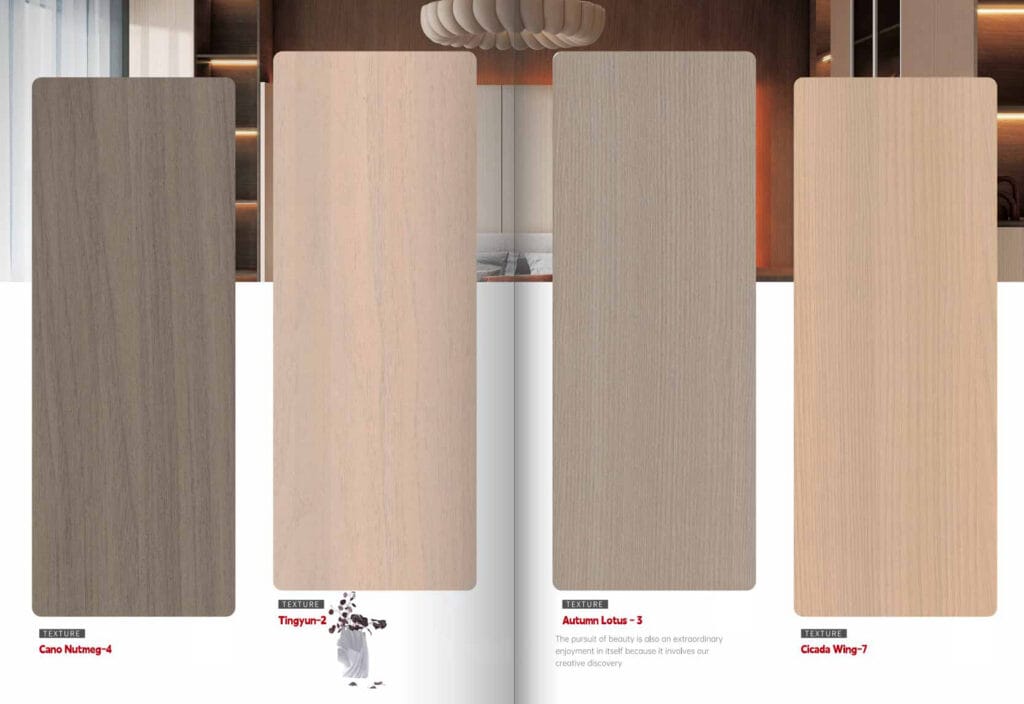
- Combine 3D panels with subtle lighting for a dramatic effect
- Use rustic panels to complement traditional kitchens
- Modern flat panels paired with sleek hardware for minimalistic interiors
- Decorative inlays or painted panels for statement cabinet doors
- Eco-friendly panels for sustainable design solutions
Conclusion
Choosing the best panels for cabinet doors requires balancing style, material, durability, and budget. With the right choice, your cabinets will not only look stunning but also withstand everyday use for years. Thoughtful selection ensures your home’s cabinets are both functional and visually appealing.
FAQ
What are panels for cabinet doors?
Panels for cabinet doors are sections made from wood, MDF, plywood, or composite materials. They enhance aesthetics, protect cabinets from wear, and allow for design customization in kitchens, bathrooms, or storage spaces.
How do I install panels for cabinet doors?
Panels can be installed using adhesive, nails, screws, or interlocking systems. Small projects can be DIY, but professional installation ensures proper alignment and long-lasting durability.
Are panels for cabinet doors suitable for humid areas?
Yes, moisture-resistant or treated panels work well in bathrooms, kitchens, and laundry areas. Proper ventilation and routine maintenance help prevent warping or mold growth.
What types of panels are available for cabinet doors?
Common types include solid wood, MDF, plywood, and composite panels. Each type varies in durability, cost, appearance, and suitability for specific room conditions.
Where can I buy high-quality panels for cabinet doors?
High-quality panels are available online, at local suppliers, or through wholesale distributors. Custom options are also available for unique designs, sizes, or finishes.
Need Help Choosing the Right Panels for Cabinet Doors?
If you’re unsure which panels are best for your cabinets or home design, our experts are here to help. Contact us today for a personalized consultation, and ensure your cabinets are stylish, durable, and long-lasting. Don’t wait—get in touch now to transform your space with the perfect panels!