Table of Contents
Panels are a versatile solution for enhancing home interiors. They can transform plain walls, ceilings, or furniture into visually appealing, functional surfaces. Whether you want to create accent walls, cover ceilings, or improve room acoustics, choosing the right panels will elevate your home’s style and durability. This guide explains everything you need to know about panels, including types, design ideas, installation, and maintenance.
Introduction
What Are Panels?
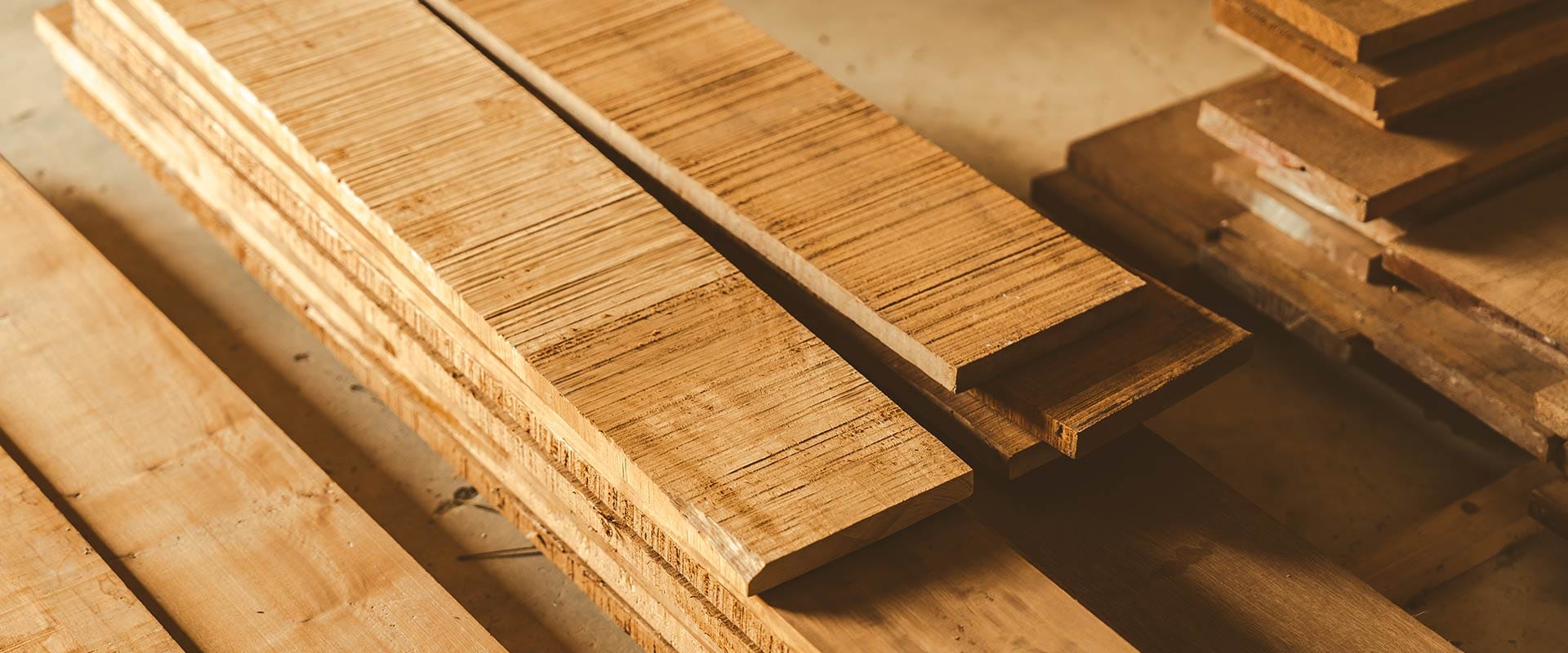
Panels are flat sections of materials such as wood, MDF, plywood, or composites, designed to cover walls, ceilings, or furniture surfaces. They add texture, warmth, and a decorative element that paint alone cannot achieve. According to interior design research, rooms with panel features are perceived as 20–25% more inviting than plain walls.
Types of Panels: Wood, MDF, and Plywood
- Wood Panels: Solid or engineered wood offering durability and natural aesthetics.
- MDF Panels: Medium-density fiberboard, easy to paint and cost-effective.
- Plywood Panels: Veneered layers for strength and stability.
Benefits of Using Panels
Panels improve aesthetics, provide sound absorption, and can increase thermal insulation. They are also long-lasting and can enhance property value when chosen carefully.
Choosing the Right Style and Design
Modern vs Traditional Panels
Modern panels feature clean lines and smooth finishes, ideal for minimalist interiors. Traditional or rustic panels showcase textures, grains, or patterns that add character and warmth.
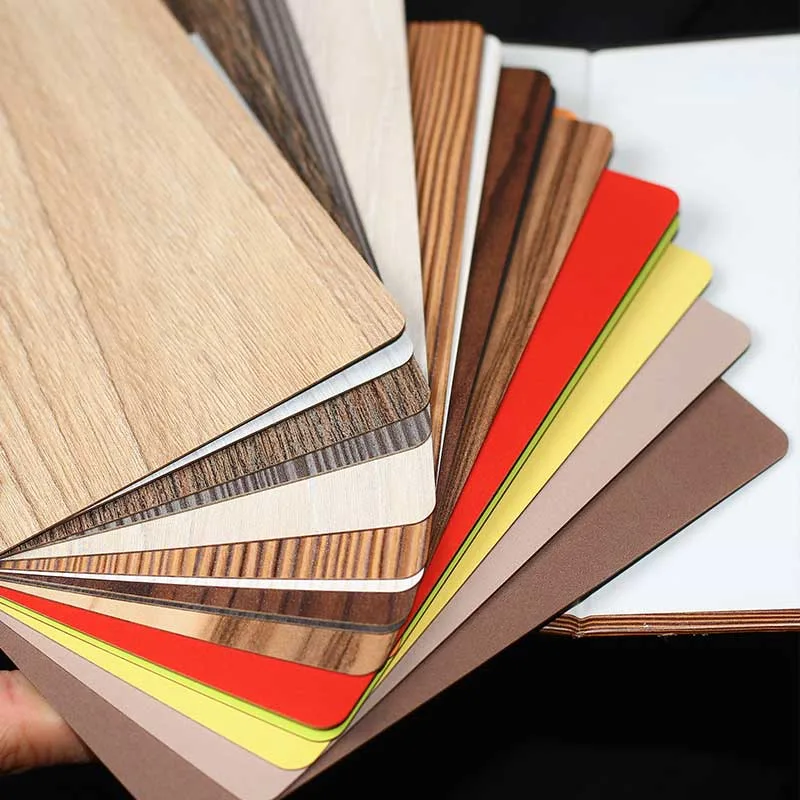
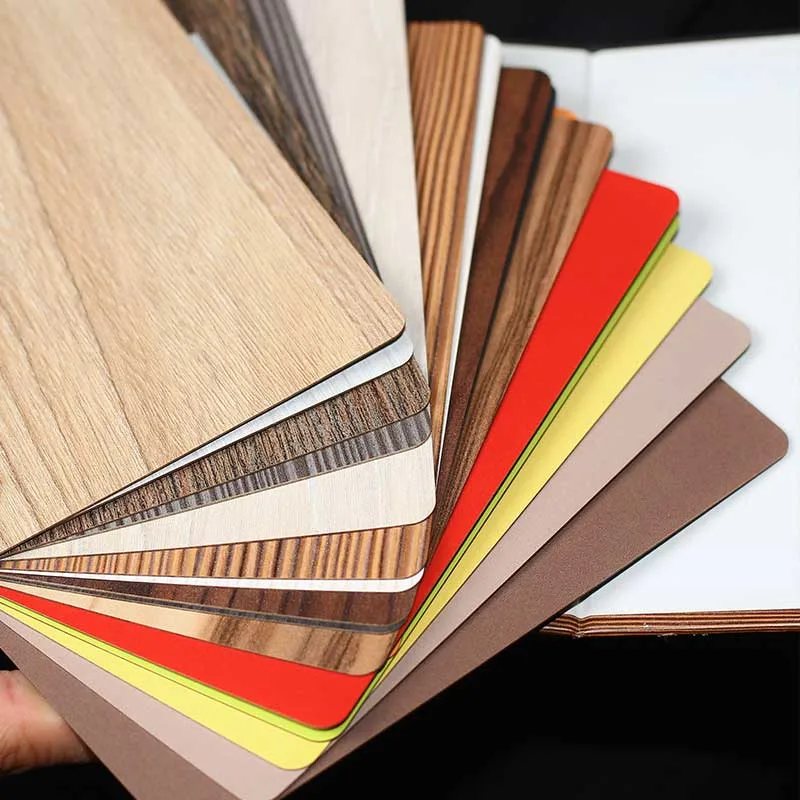
Color, Texture, and Material
Light-colored panels make rooms appear larger and brighter, while dark panels add sophistication. Textures and grains contribute to depth, allowing you to customize your space’s mood.
Panels for Different Rooms
Living rooms and bedrooms benefit from feature walls with panels. Kitchens and bathrooms require moisture-resistant panels, while home offices can gain better acoustics and focus through well-chosen panels.
Accent Walls and Ceiling Panels
Panels are not limited to walls. Ceiling panels add a unique dimension and, combined with lighting, highlight patterns and textures effectively.
Installation Guide for Panels
DIY Installation vs Professional Help
Small projects can be DIY using adhesive or nails. Complex or large-scale installations are best handled by professionals to ensure alignment and prevent gaps or warping.
Tools and Materials Needed
Common tools include adhesive, screws or nails, a saw, a level, and spacers. Interlocking panel systems are available for easier installation.
Step-by-Step Installation
- Prepare the surface by cleaning and leveling.
- Plan the layout to avoid uneven gaps.
- Attach panels with adhesive, nails, or screws.
- Trim edges for a seamless look.
- Apply sealant if needed for moisture protection.
Maintenance and Durability
Cleaning and Care Tips
Dust regularly and wipe with a damp cloth as needed. Avoid harsh chemicals or abrasive cleaners to maintain panel finishes.
Protecting Panels from Moisture and Sunlight
Excessive moisture can warp panels, and direct sunlight can fade colors. Use treated or moisture-resistant panels in bathrooms and kitchens.
Repainting, Staining, and Refinishing
Panels can be refreshed with paint or stain, allowing flexibility to update interior design over time.
Comparing Panels with Other Wall Coverings
| Feature | Panels | Wallpaper | Paint |
|---|---|---|---|
| Durability | High | Low | Medium |
| Maintenance | Moderate | Easy | Easy |
| Aesthetic | Textured, versatile | Flat patterns | Flat or decorative |
| Insulation | Thermal and acoustic | None | Minimal |
| Cost | Medium to high | Low | Low |
Panels offer superior functional and visual benefits compared to other wall coverings.
Buying Guide: Where and How to Purchase Panels
Online vs Local Suppliers
Online stores provide variety and convenience, while local suppliers allow inspection of quality before purchase.
Custom vs Pre-Made Panels
Custom panels suit unique dimensions or designs, while pre-made panels are ideal for standard applications.
Bulk Orders and Cost Estimation
Buying in bulk can reduce costs. Solid panels are generally more expensive than MDF or plywood but offer better longevity and aesthetics.
Creative Ideas and Interior Inspiration


- Accent walls to create focal points
- Combining panels with paint, furniture, or lighting
- 3D or textured panels for depth and visual interest
- Eco-friendly panels for sustainable design
Conclusion
Choosing the right panels involves considering style, material, installation, and maintenance. When done correctly, panels not only enhance the appearance of your home but also improve functionality, durability, and long-term value. Planning carefully ensures a space that is stylish, practical, and inviting.
FAQ
What are panels?
Panels are flat sections made from wood, MDF, plywood, or composite materials, designed to cover walls, ceilings, or furniture. They serve both decorative and functional purposes, adding texture, warmth, and style to interiors. High-quality panels can enhance room aesthetics, provide sound insulation, and improve overall durability, making them a practical choice for modern homes and renovations.
How do I install panels?
Panels can be installed using adhesives, nails, screws, or interlocking systems depending on the material and design. While small projects can often be completed as a DIY task, professional installation is recommended for larger walls, ceilings, or intricate patterns to ensure proper alignment, long-term durability, and a seamless finish that enhances both aesthetics and functionality.
Are panels suitable for humid areas?
Yes, panels can be used in kitchens, bathrooms, and other humid areas if moisture-resistant or specially treated options are chosen. Panels designed for wet environments are engineered to resist warping, swelling, and mold growth. Proper ventilation and occasional maintenance will further extend their lifespan, ensuring that your panels remain both attractive and functional over time.
What types of panels are available?
Panels are available in a variety of types, including solid wood, engineered wood, MDF, plywood, and composite materials. Each type offers unique benefits, such as durability, aesthetic appeal, affordability, or ease of installation. Selecting the right panel type depends on the project’s purpose, room conditions, desired texture, and budget, allowing homeowners to achieve both style and functionality.
Where can I buy high-quality panels?
High-quality panels can be sourced from online retailers, local suppliers, or wholesale distributors. Many manufacturers also offer custom panels to meet specific dimensions, materials, or designs. When choosing panels, it’s important to verify the quality, durability, and finish to ensure a long-lasting, visually appealing result that complements your interior design goals.
Need Help Choosing the Right Panels?
If you’re unsure which panels are best for your home or project, our experts are here to guide you. Contact us today for a personalized consultation, and ensure your interiors are stylish, functional, and long-lasting. Don’t wait—get in touch now to transform your space with the perfect panels!