
Introduction
The living room is the heart of every home—a place for family gatherings, relaxation, and showcasing your style. Yet, decorating it beautifully doesn’t have to drain your wallet. Affordable wood decor panels offer a cost-effective solution that brings warmth, texture, and sophistication to any space. Unlike paint or wallpaper, these panels add dimension, natural elegance, and long-term durability, making them a top choice for budget-conscious homeowners.
In 2026, the market for decorative wood panels has grown significantly, driven by trends like eco-friendly materials, modular designs, and DIY-friendly options. According to Statista, the global decorative wood panel market is expected to reach $6.8 billion by 2026, reflecting a 5.2% annual growth. This guide dives deep into types, costs, design ideas, installation strategies, maintenance tips, and case studies, helping you make informed choices for your living room renovation.
Key Takeaways
- Affordable wood decor panels enhance living room aesthetics while being budget-friendly.
- Types include solid wood, engineered wood, MDF, and PVC/composite panels.
- DIY installation and professional installation options exist.
- Maintenance and sustainability considerations are critical for long-term satisfaction.
- The guide includes cost comparisons, trends, and real-life examples for homeowners.
Table of Contents
The Appeal of Wood Decor Panels
Natural Warmth and Texture
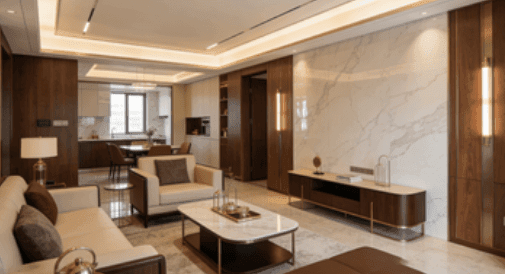
Wood decor panels are more than just wall coverings—they bring an authentic, natural warmth to living spaces that instantly elevates the room’s ambiance. The grain patterns, knots, and varied tones create a dynamic visual texture, allowing each panel to tell its own story. Unlike synthetic alternatives such as PVC or laminate, real wood panels offer tactile richness, making the environment feel inviting and cozy.
For example, a panel made from oak or walnut can subtly shift color under different lighting conditions, creating a living, breathing aesthetic in your living room. This natural variation also means that no two installations are ever exactly the same, giving homeowners a sense of personalization. Additionally, the depth and shadows created by textured panels can make smaller rooms appear larger and more layered, enhancing the overall spatial perception.
Durability That Lasts
High-quality wood decor panels are engineered to withstand the demands of everyday living. Engineered wood, MDF, and PVC panels are specifically designed to resist scratches, minor dents, and fading, ensuring that your living room maintains its aesthetic appeal over time.
For instance, engineered wood panels typically come with a laminated or veneer surface that resists minor abrasions, while PVC panels offer a waterproof, chemical-resistant surface ideal for homes with children or pets. Even in high-traffic living rooms, these panels can last for 10–15 years with minimal maintenance. In addition, selecting UV-protected finishes can prevent discoloration and ensure long-lasting beauty, which is particularly relevant in sunlit living rooms.
Easy Renovation and Flexibility
Renovating your living room doesn’t always require major construction or demolition. Installing wood decor panels is a manageable upgrade that can completely transform a space in days rather than weeks. Panels allow for flexible design options: you can install them on a single accent wall, cover partial sections of a room, or even create fully panelled walls for dramatic effect.
This flexibility is particularly useful for homeowners on a budget. Modular panels are available in pre-cut sizes, which simplifies installation and reduces waste. Homeowners can also experiment with layouts and textures without committing to permanent changes, making wood panels an ideal solution for renters or those planning incremental upgrades.
Types of Affordable Wood Decor Panels
Solid Wood Panels
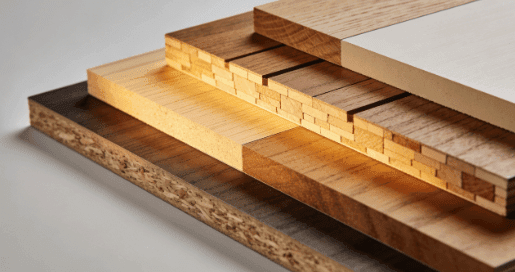
Solid wood panels are valued for their authenticity, warmth, and timeless appeal. They provide a premium look that can anchor traditional or rustic interior designs. While solid wood is slightly higher in cost, choosing thinner cuts or engineered variants can make it budget-friendly without sacrificing aesthetic impact.
- Typical Costs: $30–$60 per m² depending on wood species and thickness.
- Best Use Cases: Accent walls, cabinetry integration, or feature ceilings.
- Pros: Natural grain, durability, high resale value.
- Cons: Sensitive to humidity; may require professional installation.
Many homeowners combine solid wood panels with painted walls to create a balanced and sophisticated look. For example, walnut panels on a TV wall can contrast beautifully with light-colored surroundings, giving the room a warm, inviting focal point.
Engineered Wood Panels
Engineered wood panels consist of wood fibers bonded with adhesives, often finished with a laminate or veneer. They replicate the appearance of solid wood while being lightweight, affordable, and easy to install.
- Typical Costs: $15–$35 per m²
- Durability: Medium to high, depending on finish and maintenance.
- Installation: DIY-friendly with minimal tools; glue or screws recommended.
- Design Flexibility: Wide variety of colors, grains, and finishes.
Engineered wood is especially popular among budget-conscious DIY homeowners. Panels can mimic exotic woods like teak or mahogany at a fraction of the cost, allowing for luxurious aesthetics without the hefty price tag. They also offer consistent grain patterns, which is ideal for modern or minimalist interiors.
MDF Panels
Medium-Density Fiberboard (MDF) panels are smooth, versatile, and highly cost-effective. These panels can be painted, veneered, or laminated, making them suitable for a range of interior styles, from modern minimalist to transitional designs.
- Typical Costs: $10–$25 per m²
- Best For: Painted accent walls, decorative paneling, or custom geometric patterns.
- Pros: Smooth surface, affordable, lightweight.
- Cons: Sensitive to moisture; can swell if exposed to water.
MDF panels are excellent for creating intricate patterns or 3D designs, allowing homeowners to achieve a designer look at a lower cost. In living rooms with controlled indoor humidity, MDF panels maintain a durable and polished finish over years of use.
PVC and Composite Panels
PVC and composite panels offer a practical, low-maintenance solution for modern interiors. These panels are resistant to moisture, chemicals, and minor impacts, making them ideal for households with children, pets, or high traffic.
- Typical Costs: $8–$20 per m²
- Installation: Lightweight panels can be easily installed using adhesive, clips, or screws.
- Design Options: Wood-look finishes, textures, or solid colors.
- Pros: Waterproof, easy to clean, highly affordable.
- Cons: Lacks natural wood warmth, can feel less premium.
These panels are particularly suitable for urban apartments or contemporary homes, where functionality and easy maintenance are priorities. Some PVC panels also feature integrated 3D textures, adding depth and interest to living spaces without significant cost increases.
Cost Considerations for Wood Decor Panels
Pricing for wood decor panels varies depending on material, thickness, finish, and installation method. Solid wood panels are at the higher end of the spectrum, costing $30–$60 per m², while engineered wood panels average $15–$35 per m². MDF and PVC panels are the most budget-friendly, generally $8–$25 per m².
Example: Installing a 20 m² accent wall with MDF panels may cost $200–$500 for materials alone. If professional installation is selected, labor costs could add another $200–$400, depending on complexity.
Other cost factors to consider include:
- Surface preparation: Smoothing walls or adding primer may add $2–$5 per m².
- Finishing options: Paint, stain, or laminate finishes vary in cost and longevity.
- Accessories: Clips, adhesives, or trims may account for an additional $1–$3 per m².
By understanding these variables, homeowners can plan budgets more accurately and select panels that meet both design and financial goals.
Design Ideas for Living Rooms
Accent Walls with Texture
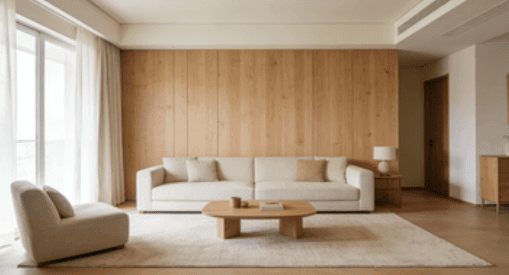
Creating a feature wall with wood panels adds visual interest and depth. Panels with vertical, horizontal, or geometric patterns can define a living room’s aesthetic focal point, making the space feel more cohesive and inviting.
Combining Panels with Other Materials
Mixing wood panels with paint, wallpaper, or metal accents allows homeowners to maximize design versatility. This approach helps create modern, stylish interiors while staying within a reasonable budget.
Modular Panel Designs
Affordable panels are increasingly offered in modular formats, which allow for easy installation, rearrangement, or replacement. Homeowners can update the style of their living room without replacing entire walls, adding flexibility to long-term interior planning.
Installation Insights
DIY Installation Tips
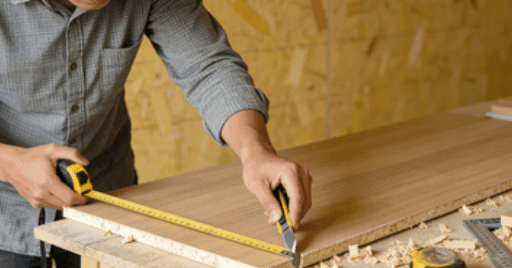
Engineered wood and MDF panels are particularly suited for DIY installation. Basic tools include a measuring tape, adhesive, nails, and a level. DIY installation can save up to 50% on labor costs, but careful planning is essential to ensure alignment and finish quality.
Professional Installation Considerations
Professional installers provide precision alignment, clean finishes, and reduced risk of mistakes. Costs vary by region and panel complexity, typically $10–$30 per square meter. Professional help is advisable for textured, 3D, or complex wall designs.
Maintenance and Longevity
Proper maintenance ensures panels retain their appearance for years. Regular dusting and gentle cleaning prevent dirt accumulation. Protecting panels from direct sunlight prevents fading, and small scratches or dents can often be repaired with touch-up paint or wood filler. PVC panels require minimal maintenance and are especially suitable for high-traffic areas.
Affordable vs Premium Wood Panels
Affordable panels (MDF, engineered wood, PVC) provide medium durability and style at a lower cost, often allowing for DIY installation. Premium solid wood panels deliver higher durability and natural beauty but come with higher costs and often require professional installation. Homeowners should evaluate their budget, design goals, and maintenance capacity when choosing between options.
Eco-Friendly Panel Choices
Sustainable design is increasingly important. FSC-certified panels ensure responsibly sourced wood, while recycled panels use reclaimed materials, offering unique textures and reducing environmental impact. Low-VOC panels contribute to indoor air quality, an essential consideration for living rooms used by children or elderly family members.
Future Trends for 2026
Textured 3D accent walls, eco-friendly recycled panels, modular designs, and integrated lighting or acoustic features are driving innovation in living room wood decor panels. DIY-friendly kits and smart panel systems make it easier than ever to achieve high-end aesthetics at affordable prices.
FAQ
Q: Which type of panel is cheapest for living rooms?
A: PVC and MDF panels are the most budget-friendly while maintaining a polished appearance.
Q: Can I install these panels myself?
A: Yes, engineered wood and MDF panels are DIY-friendly. Carefully measure, cut, and align for best results.
Q: How do I maintain panels without spending much?
A: Dust regularly, avoid moisture, and use touch-up kits for minor scratches to keep panels looking new.
Q: Are affordable panels durable?
A: Yes, MDF, engineered wood, and PVC panels provide medium durability suitable for normal living room use.
Q: How do panels compare to wallpaper or paint?
A: Panels add texture, dimension, and longevity. Wallpaper is cheaper but less durable, and paint provides versatility but flat aesthetics.
Thank you for reading!
I’m glad you joined me on this journey. If you found this content useful or interesting, I would love to hear your thoughts.
- Follow me on Facebook for tips, updates, and community discussions.
Click here to connect - Subscribe to my YouTube channel for tutorials, demonstrations, and practical insights.
Click here to subscribe
Feel free to share your feedback or questions in the comments or on social media. Let’s keep learning and growing together!
-3.jpg)
.jpg)