Table of Contents
Wood Veneer Wall Paneling: Handling Natural Color Variation
Wood veneer wall paneling should be evaluated against a defined production task. For commercial wall panel packages, the priority is to define an acceptable appearance range and panel sequence. That turns a broad material search into a decision about the finished component, the process needed to make it and the evidence required before a repeat order.
This guide focuses on that specific buying situation. The useful next step is to review a wall-size arrangement under final lighting. In particular, avoid rejecting ordinary natural variation that was never specified. A clear sample and written specification make it easier to compare wood veneer wall paneling offers without relying on a surface photograph or an undefined quality claim.

The decision for commercial wall panel packages
Begin the wood veneer wall paneling evaluation by separating the part requirement from the general product description. The wood veneer wall paneling buyer needs to define an acceptable appearance range and panel sequence; the workshop needs a repeatable way to produce the approved result. Put those two responsibilities on one trial sheet with the component drawing, material identity and acceptance decision.
For commercial wall panel packages, use the final viewing position and the hardest production detail to define acceptance. Record what the supplied wood veneer wall paneling sample represents and what it leaves unresolved. If a finish, hardware arrangement or service condition changes, revisit the relevant trial before assuming the original result still applies. The goal is a wood veneer wall paneling order the receiving team can inspect and the workshop can reproduce.
Coordinate natural appearance before cutting
Natural wood appearance needs a range and a layout, not just a species name. For wood veneer wall paneling, approve several representative pieces and state how neighboring components should be matched. Identify face direction, sequence and any visible joints on the drawing before the cutting plan is released.
View the arrangement under the final lighting and with the intended finish where practical. Keep a labeled spare-material plan for future replacements. With wood veneer wall paneling, later batches may have different natural color and figure even when the description is unchanged. Planning that variation from the start gives the designer and buyer a clear acceptance basis and avoids expecting an exact printed-pattern match from a naturally variable material.
Allow for natural veneer variation
Natural veneer varies in grain, color and figure. The purchasing task is to define an acceptable appearance range and a matching method, rather than promise exact repetition. For wood veneer wall paneling, agree on the veneer description, panel sequence and viewing conditions. Review several representative pieces together where the final installation contains adjacent visible faces.
Label approved samples and record which variations are permitted. A single unusually uniform swatch is a poor reference for a large natural-wood order. When specifying wood veneer wall paneling, include the corners, joins and replacements that will be visible in use. Planning the appearance range before cutting gives both buyer and fabricator a clearer basis for acceptance and reduces disputes about ordinary wood character after installation.

Inspect protection inside the pack
Outer wrapping alone does not prevent internal rubbing, edge impact or uneven support. For wood veneer wall paneling, agree on separators, corner protection and pack restraint that suit the delivered construction. Preserve component and lot labels where matched appearance or machining orientation must be maintained.
Request dispatch photographs showing the internal arrangement as well as the closed pack. On arrival, inspect the pack condition before unpacking and check material from more than one position. For wood veneer wall paneling, distinguish estimated pack weight from a verified commercial value and confirm handling arrangements with the logistics team. Packaging approval should protect the finished faces and edges without introducing excessive pressure or trapping uncontrolled moisture against a vulnerable surface.
Preserve veneer sequence in the cutting plan
Visible grain can be broken by a cutting plan that treats every offcut as interchangeable. For wood veneer wall paneling, coordinate sheet orientation and component sequence before machining. Assign stable part labels to doors, drawer fronts or wall panels that need to be viewed together. Distinguish the decorative layout from purely geometric nesting.
Dry-assemble the visible set before finishing and compare it with the approved design. Confirm how spare components will be identified and stored. A high-yield cutting plan for wood veneer wall paneling remains useful only if the resulting parts meet the appearance requirement. Where grain continuity matters, reserve the necessary material explicitly and include that allowance in the quotation instead of expecting the workshop to recover it from random remaining pieces.
Inspect the finished surface from the normal viewing position
Surface approval should reflect how the product will be seen and used. For wood veneer wall paneling, review the final face, edge and adjacent components under realistic light. Distinguish raw-material texture from handling damage and from a finishing defect so each observation leads to the correct action.
Agree on the visible faces and retain a reference that shows the accepted appearance. Inspect dark or high-gloss surfaces particularly carefully for cut-edge damage and handling marks. With wood veneer wall paneling, judge the completed component rather than one attractive swatch. This gives the receiving team a practical visual standard and helps the workshop avoid unnecessary rework on concealed areas while maintaining consistency at prominent joints, corners and long runs of neighboring panels.
Specify core, faces and bond separately
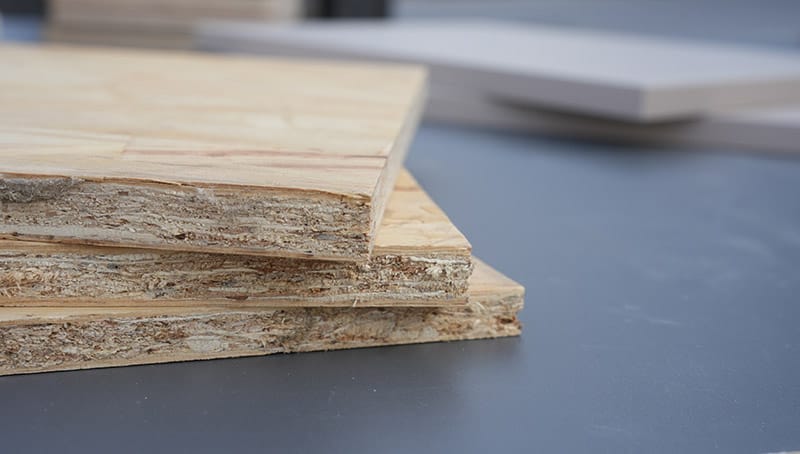
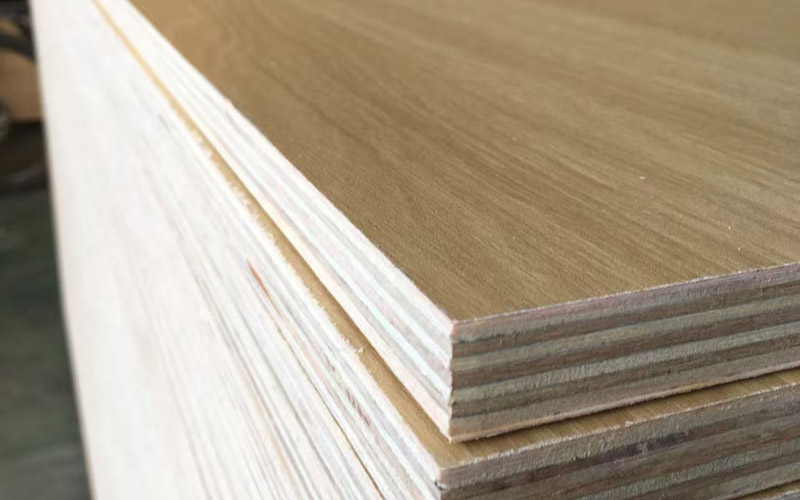
Plywood consists of bonded wood veneers, commonly arranged with grain directions alternating between layers. Different cores, face veneers and bonding specifications produce different products. For wood veneer wall paneling, describe each relevant part of the construction. A decorative face or dark surface film alone does not identify the bond class or the suitability of the complete panel for a particular environment.
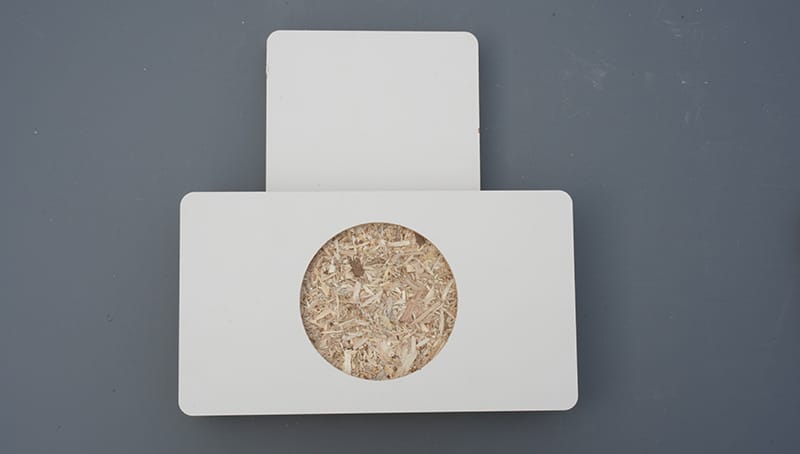
Ask for a construction description and a cut sample that expose the layers. Identify whether the finished application needs decorative appearance, structural evidence or both. An approval for wood veneer wall paneling should follow the exact delivered product and intended service. General statements about plywood do not make every commercially available sheet interchangeable, especially when core gaps, veneer quality or moisture exposure are important.
Approve the full finishing route on the actual substrate
Surface preparation, sealing and coating interact with the supplied material. For wood veneer wall paneling, trial the complete finishing route rather than inspect only the final color on an unrelated sample. Include the broad face, exposed edge and any routed area so differences in absorption or surface texture become visible before production.
Record preparation stages, coating products and the agreed appearance standard. View the sample under the lighting expected in use and after the specified cure. When approving wood veneer wall paneling, count extra sanding or repair work as part of the production result. This provides a realistic conversion cost and prevents a beautiful one-off sample from concealing a finishing route that the workshop cannot repeat reliably at the planned order volume.
Look for core discontinuities at critical details
Internal gaps and overlapping material can become visible during routing or drilling. Their importance depends on where they fall in the final component. With wood veneer wall paneling, cut trial pieces through areas that will carry hardware, show an exposed edge or receive a deep profile. Inspect more than one small sample from a single sheet corner.
Document acceptable and unacceptable conditions with the supplier before batch production. A hidden discontinuity beside a fixing may matter more than an isolated appearance variation on a covered face. Qualifying wood veneer wall paneling around the critical details helps prevent a good-looking delivery from failing later in machining. Keep rejected examples and lot identifiers so the supplier can investigate the construction rather than relying on a vague complaint about quality.
Worked example for commercial wall panel packages
Lay out several neighboring panels in their intended sequence before cutting or finishing. Mark the approved orientation and the component identifiers on the reverse. For wood veneer wall paneling, include the visible corner or door opening where the sequence changes direction. Discuss how much variation is acceptable across that junction. Reserve identified spare material if future matching matters. A wood veneer wall paneling appearance approval made this way reflects an actual wall or facade arrangement and helps prevent ordinary natural variation from becoming a disagreement after components have already been machined and coated.
Comparison of three purchasing approaches
| Approach | What it resolves | What remains to check |
|---|---|---|
| Buy from a face sample | Initial color or texture preference | Core, finished detail, component fit and documented use |
| Buy to a written construction | Defined material, dimensions and delivered condition | Whether the workshop can produce the intended finished part |
| Approve a representative finished trial | Construction and processing tested on the relevant component | Commercial-lot consistency and any later material or process changes |
For wood veneer wall paneling in commercial wall panel packages, the third approach usually provides the clearest evidence for this decision: define an acceptable appearance range and panel sequence. It also makes the limits explicit. A finished trial covers its documented construction and conditions; it does not qualify every product sold under the same material name.
A practical trial for this order
Identify the requirement: define an acceptable appearance range and panel sequence. Add the drawing revision, intended environment and delivered material construction to the trial record.
Prepare representative wood veneer wall paneling samples from the proposed commercial construction. Include both the visible face and the critical machined or assembled detail.
Run the agreed verification: review a wall-size arrangement under final lighting. Use the intended equipment, adjacent components and finishing route so the result represents normal production.
Record acceptance and unresolved questions. Specifically check whether the process risks rejecting ordinary natural variation that was never specified. Keep extra repair or finishing labor visible in the cost comparison.
Retain the approved wood veneer wall paneling sample and transfer the same specification to the purchase order. Review a substitution or changed process before releasing the affected repeat batch.
For background on wood structure, moisture, composite panels, joints and finishing, consult the USDA Forest Products Laboratory Wood Handbook. This independent technical reference supports material understanding; it is not a certification or test report for any DA AO product.
Discuss the specified construction with DA AO
DA AO lists melamine-faced plywood within its panel range. Its wood-panel services describe customization of size, thickness, surface finish and decorative pattern. Send the proposed application and drawing so the available construction can be checked against the requirement before quotation.
For a wood veneer wall paneling inquiry about commercial wall panel packages, include dimensions, quantity, required finish, exposed edges, hardware or fixing details and the evidence needed for approval. Ask the team to confirm the supplied construction and sample arrangement in writing. Use the inquiry form after the FAQ to request a specification review and a quotation based on the same information.
Frequently asked questions
What is the first check when buying wood veneer wall paneling for this application?
For commercial wall panel packages, first define an acceptable appearance range and panel sequence. Identify the supplied construction and put that requirement in the quotation request so the supplier and workshop evaluate the same finished component.
What sample should I request for wood veneer wall paneling?
Request representative commercial material, then review a wall-size arrangement under final lighting. Keep the drawing, material identity and process conditions with the result. A sample that omits the critical detail cannot establish whether that detail will work in production.
Which mistake should this wood veneer wall paneling order avoid?
Avoid rejecting ordinary natural variation that was never specified. Agree on the intended construction, finished detail and acceptance method before batch processing, then check a representative commercial lot against the retained approval.
Can a supplier substitute another wood veneer wall paneling construction?
Review the proposed change against the signed specification and the critical trial. A matching name or finish does not establish equivalent machining, fit or service behavior. Obtain written approval and repeat the affected evaluation where necessary.
What should a wood veneer wall paneling quotation include?
Include actual dimensions, quantity, supplied finish, packing and delivery basis, together with the requirements for commercial wall panel packages. Identify sample approval and any required technical evidence separately so the commercial offer can be compared consistently.