Table of Contents
Key Takeaways
- Understand the full cost structure behind wood accent walls in modern interior design projects
- Compare solid wood, engineered wood, and MDF panels in terms of price and performance
- Learn how installation methods directly influence total project budget
- Identify key cost drivers including design complexity, finishing, and wall size
- Review real-world pricing ranges based on market and construction standards
- Compare wood accent walls with paint, wallpaper, and stone wall systems
- Apply practical budgeting strategies for residential and commercial projects
- Understand user search intent through real-world cost questions and comparisons
Introduction
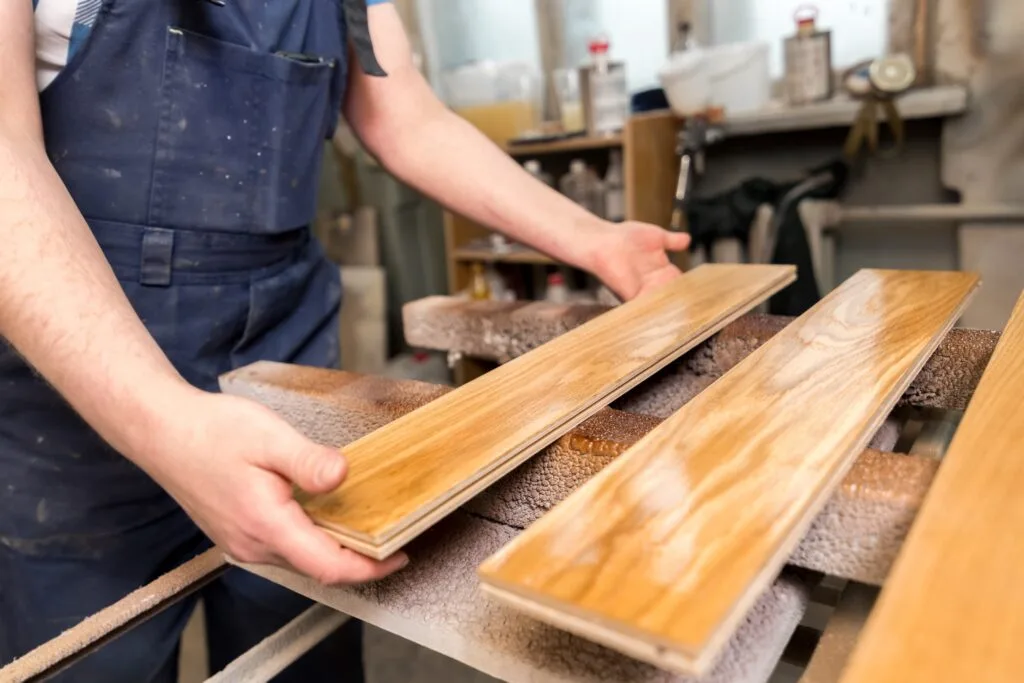
Modern interior design increasingly emphasizes natural textures, warmth, and material authenticity. Among all decorative solutions, wood accent walls have become a leading choice for homeowners, designers, and commercial developers.
They deliver strong visual impact without requiring full renovation. However, the cost varies widely depending on materials, installation methods, and design complexity. Understanding these variables is essential for accurate budgeting and project planning.
This guide provides a structured breakdown of wood accent wall costs, combining material logic, installation engineering, and real market pricing insights.
Wood Accent Wall Cost Structure Overview
Core Cost Composition Concept
The total cost of wood accent walls is typically divided into three main components:
- Material cost
- Labor and installation cost
- Finishing and design cost
Each component behaves differently depending on project scale and customization level.
Cost Calculation Concept
Simple Budget Formula
Total Cost = Materials + Labor + Finishing + Design Complexity Adjustment
This model is widely used in interior contracting and renovation budgeting.
Wood Accent Wall Material Cost Breakdown
Solid Wood Concept
Solid wood is a premium interior material with natural grain texture and high durability.
Key characteristics:
- High aesthetic value
- Long lifespan (20–50 years)
- Higher processing and installation requirements
Solid wood significantly increases the total cost of wood accent walls due to raw material scarcity and finishing requirements.
Engineered Wood Concept
Engineered wood provides a balanced performance-to-cost ratio.
Key characteristics:
- Stable structure with reduced warping
- Moderate pricing
- Suitable for large-scale installations
It is widely used in mid-range residential and commercial wood accent wall projects.
MDF Panel Concept
MDF is the most cost-efficient option for interior wall decoration.
Key characteristics:
- Smooth and uniform surface
- Easy cutting and installation
- Lower moisture resistance
It is commonly used in budget-focused wood accent walls applications.
Wood Accent Wall Cost Comparison Table
| Material Type | Cost per sq ft | Durability | Aesthetic Level | Installation Difficulty |
|---|---|---|---|---|
| Solid Wood | 45–120 USD | Very High | Premium | High |
| Engineered Wood | 25–60 USD | Medium–High | High | Medium |
| MDF Panels | 8–25 USD | Medium | Medium | Low |
Installation Cost Factors
DIY Installation Concept
DIY installation is chosen to reduce labor costs, especially for simple wall designs.
Advantages:
- Lower total project cost
- Flexible execution schedule
Limitations:
- Requires tools and experience
- Higher risk of uneven finishing
Professional Installation Concept
Professional installation ensures precision and long-term structural quality.
Advantages:
- High-quality finishing standards
- Faster completion time
- Better alignment accuracy
Limitations:
- Higher labor cost
- Less flexibility during installation changes
Key Cost Drivers in Wood Accent Walls
Wall Size Concept
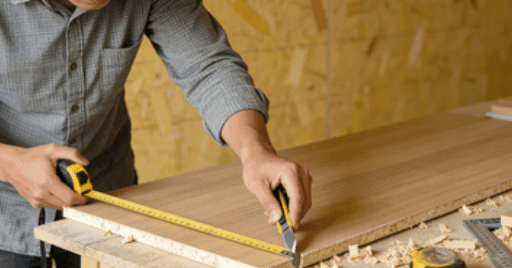
Larger wall areas increase both material consumption and labor intensity.
Typical size ranges:
- Small feature wall: 50–100 sq ft
- Medium wall: 100–250 sq ft
- Full wall coverage: 250+ sq ft
Design Complexity Concept
Design patterns significantly affect installation cost.
- Flat panel design → low cost
- Vertical slat design → medium cost
- Geometric CNC design → high cost
More complex structures require precision cutting and additional labor hours.
Finishing Treatment Concept
Surface finishing affects both appearance and total cost.
- Natural oil finish enhances texture but requires maintenance
- Paint finish reduces cost but hides wood grain
- UV coating improves durability but increases price
Wood Accent Walls vs Other Wall Systems
Paint Accent Walls Concept
Paint is the most budget-friendly option but lacks texture depth and premium feel.
Wallpaper Accent Walls Concept
Wallpaper provides design flexibility but lower durability compared to wood.
Stone Accent Walls Concept
Stone delivers premium durability but significantly increases installation cost and structural requirements.
Wall System Comparison Table
| Wall Type | Cost Level | Durability | Visual Impact | Maintenance |
|---|---|---|---|---|
| Wood Accent Walls | Medium–High | High | Very High | Low |
| Paint Walls | Low | Medium | Medium | Medium |
| Wallpaper Walls | Medium | Medium | High | High |
| Stone Walls | Very High | Very High | High | Low |
Functional Value of Wood Accent Walls
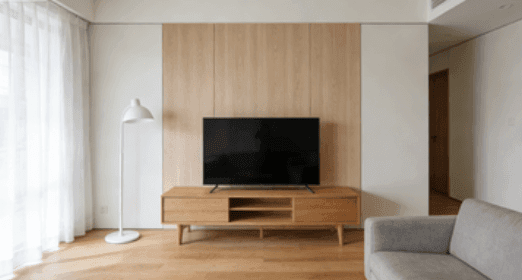
Interior Atmosphere Concept
Wood surfaces improve spatial warmth and visual comfort through natural texture and grain patterns.
Property Value Concept
Well-designed wood accent walls can improve perceived property value in competitive real estate markets.
Acoustic Performance Concept
Wood panels can reduce echo and improve sound absorption in interior environments.
Real-World Cost Scenarios
Residential Living Room Example
- Area: 180 sq ft
- Material: engineered wood
- Installation: professional
Estimated cost range:
- 3,000–7,000 USD depending on design complexity and finishing level
Commercial Office Example
- Application: reception wall feature
- Material: vertical slat wood panels
- Objective: brand identity enhancement
Estimated cost range:
- 5,000–15,000 USD depending on customization
Conclusion
Wood accent walls remain one of the most effective interior design solutions for combining aesthetics, texture, and long-term value. Their cost depends on a combination of material selection, installation method, and design complexity.
Understanding these factors allows homeowners and designers to build accurate budgets and achieve high-impact interior results while maintaining cost efficiency in both residential and commercial projects.
FAQ
What is the average cost of wood accent walls?
Most wood accent wall projects range from 8 to 120 USD per square foot depending on material selection and installation complexity.
Which material is best for budget wood accent walls?
MDF panels are the most affordable option for interior wall applications.
How long do wood accent walls last?
Depending on material type, they can last between 10 and 50 years with proper maintenance.
What increases wood accent wall cost the most?
Material type and design complexity are the primary cost drivers.
Can wood accent walls be used in bathrooms?
Yes, but moisture-resistant engineered wood or treated panels must be used.
How much do wood accent walls cost per square foot?
Most projects range from 8 to 120 USD per square foot depending on materials and installation type.
What is the cheapest way to build a wood accent wall?
MDF panels with DIY installation are the most cost-effective option.
Are wood accent walls worth the investment?
Yes, due to their durability, visual impact, and long-term design value.
Do wood accent walls increase home value?
They can enhance aesthetic appeal and improve buyer perception in modern housing markets.
.jpg)