Table of Contents
Introduction
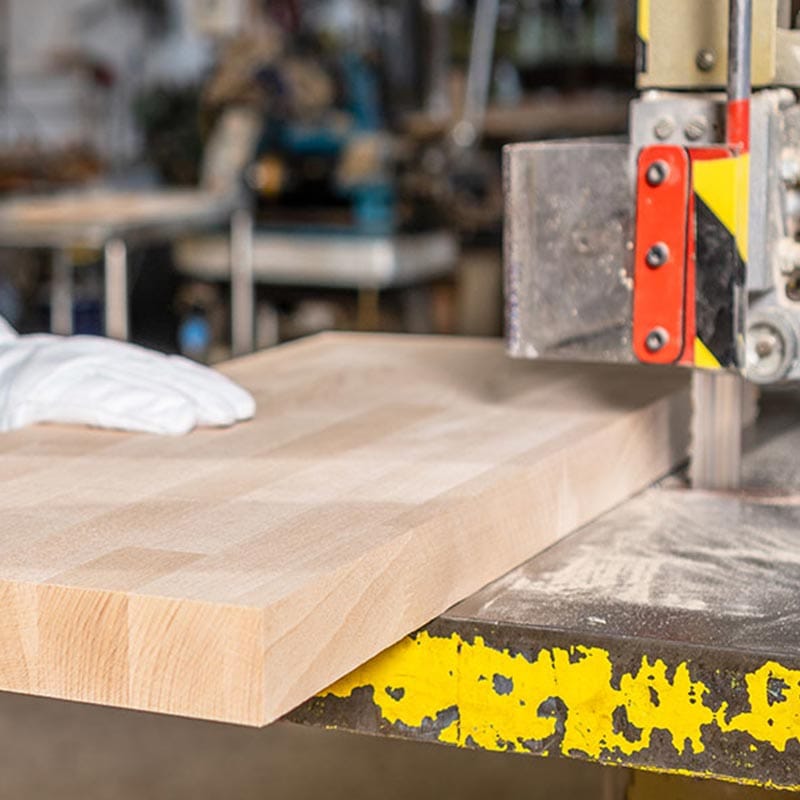
Wall wood paneling is becoming a defining element in modern interior design. Once associated with traditional or rustic spaces, it has now evolved into a highly versatile design solution used in residential, commercial, and hospitality environments. With advancements in materials, manufacturing techniques, and design preferences, wall wood paneling is expected to play an even more important role in 2026 interior projects.
This article explores the latest trends, materials, applications, and design insights to help you understand how wall wood paneling is shaping modern interiors.
What Is Wall Wood Paneling
Wood wall panels refers to decorative and functional wall coverings made from wood or wood-based materials. These panels are installed on interior walls to enhance aesthetics, improve surface durability, and sometimes provide acoustic or thermal benefits.
Unlike basic wall paint or wallpaper, wall wood paneling adds texture, depth, and a natural visual element to interior spaces. It can be made from solid wood, engineered wood, MDF, plywood, or wood veneer materials, depending on design and budget requirements.
Why Wall Wood Paneling Is Trending in 2026
The growing popularity of wood wall panels is driven by several key factors:
- Increased demand for natural and warm interior aesthetics
- Rising interest in textured wall surfaces instead of flat finishes
- Growth of sustainable and eco-friendly building materials
- Expansion of modular and customizable interior design systems
According to interior design industry reports, natural material-based wall solutions have seen steady growth over recent years, particularly in modern residential and commercial renovation projects.
Key Material Trends in Wall Wood Paneling
Material innovation is one of the biggest drivers behind new design trends.
Engineered Wood Panels
Engineered wood remains the most widely used material due to its stability, affordability, and scalability in production.
MDF Wall Panels
MDF panels offer a smooth surface ideal for painted or laminated finishes, making them popular in modern minimalist interiors.
Natural Wood Veneer Panels
Veneer panels provide a premium look while maintaining cost efficiency compared to solid wood.
Solid Wood Paneling
Solid wood is used in high-end interior projects where authenticity and natural grain patterns are important.
Eco-Friendly Panels
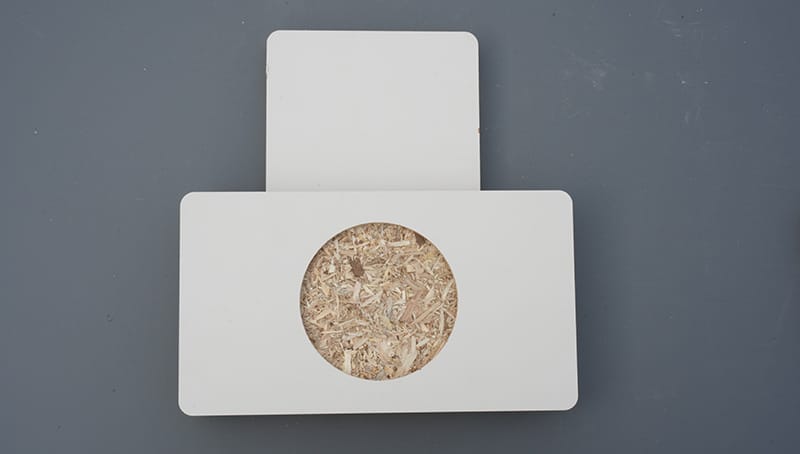
Sustainable wall wood paneling made from recycled materials and low-emission adhesives is gaining strong momentum in global markets.
Design Styles Driving Wall Wood Paneling Trends
Design trends for wall wood paneling in 2026 focus on simplicity, texture, and personalization.
Minimalist Flat Panels
Clean, seamless panels are widely used in modern interiors for a sleek and structured appearance.
Vertical Slat Paneling
Vertical wood slats create a sense of height and rhythm, making spaces feel larger and more dynamic.
Geometric Panel Designs
Custom geometric patterns are increasingly used in feature walls to create visual impact.
Mixed Material Designs
Combining wood paneling with metal, glass, or stone is a growing trend in commercial and luxury interiors.
Color and Finish Trends
Color plays a major role in the visual impact of wall wood paneling.
- Natural wood tones remain the most popular due to their timeless appeal
- Light oak and ash finishes are widely used in modern minimalist interiors
- Dark walnut and espresso tones are used to create contrast and depth
- Matte finishes are preferred for a soft, contemporary look
- Light textured finishes are gaining popularity for subtle visual interest
Functional Benefits of Wall Wood Paneling
Wood wall panels is not only decorative but also functional.
Acoustic Performance
Wood panels can help absorb sound, improving acoustic comfort in offices, meeting rooms, and residential spaces.
Wall Protection
They protect underlying walls from scratches, impact, and wear over time.
Thermal Comfort
Wood materials can contribute to better insulation, helping regulate indoor temperature.
Easy Maintenance
Most modern panels are designed with protective coatings that make cleaning simple and efficient.
Applications in Interior Projects
Wood wall panels is used across a wide range of environments:
- Residential interiors such as living rooms, bedrooms, and hallways
- Office spaces including meeting rooms and reception areas
- Retail environments for branded feature walls
- Hospitality projects such as hotels and lounges
- Public spaces requiring durable and aesthetic wall finishes
Its versatility makes it suitable for both decorative and functional design purposes.
Comparison of Wall Wood Paneling Materials
| Material Type | Durability | Cost Level | Appearance | Maintenance | Best Use |
|---|---|---|---|---|---|
| MDF Panels | Medium | Low | Smooth | Easy | Painted interiors |
| Veneer Panels | Medium-High | Medium | Natural wood look | Moderate | Modern interiors |
| Solid Wood | High | High | Premium natural grain | Higher | Luxury projects |
| Engineered Wood | High | Medium | Versatile finishes | Easy | General use |
| Eco Panels | Medium | Medium | Natural aesthetic | Easy | Sustainable design |
Installation Trends and Techniques
Modern installation methods for wood wall panels emphasize efficiency and precision:
- Clip-on systems for easy replacement and maintenance
- Adhesive-based installation for seamless wall finishes
- Modular panel systems for flexible design layouts
- Pre-finished panels to reduce on-site labor time
Proper installation ensures long-term durability and consistent visual performance.
Sustainability and Material Innovation
Sustainability is a major focus in the wood wall panels industry.
Manufacturers are increasingly using:
- Recycled wood fibers
- Low-VOC adhesives
- Water-based coatings
- Renewable raw materials
These innovations help reduce environmental impact while maintaining product performance and design quality.
Future Outlook for Wall Wood Paneling


Looking ahead, wood wall panels will continue to evolve in several directions:
- Increased use of customizable digital patterns
- Integration with acoustic and smart wall systems
- Growth of modular interior design solutions
- Stronger demand for eco-friendly materials
- Expansion into hybrid material designs
These trends show that wood wall panels is no longer just a decorative element but a multifunctional interior solution.
Conclusion
Wood wall panel is shaping the future of interior design by combining natural aesthetics, durability, and functional performance. As design preferences continue to shift toward warm, textured, and sustainable environments, its role in interior projects will only become more important in 2026 and beyond.
FAQ
What is wall wood paneling used for?
Wall wood paneling is used to cover interior walls for decorative and functional purposes. It enhances aesthetics, adds texture, and can also improve durability, insulation, and acoustic performance in residential and commercial spaces.
What materials are used for wood wall panel?
Common materials include solid wood, MDF, plywood, veneer, and engineered wood. Each material offers different benefits in terms of cost, durability, appearance, and suitability for various interior design projects.
Is wall wood paneling suitable for modern interiors?
Yes, wall wood paneling is widely used in modern interiors. It fits minimalist, contemporary, and luxury designs by adding natural texture, warmth, and visual depth to plain wall surfaces.
How is wall wood paneling installed?
Wall wood paneling can be installed using adhesive systems, clips, or mechanical fasteners. The method depends on panel type and wall conditions. Proper surface preparation ensures a smooth and long-lasting finish.
Does wall wood paneling require maintenance?
Wall wood paneling requires minimal maintenance. Regular dusting and gentle cleaning are usually enough. Using protective coatings helps improve resistance to scratches, moisture, and long-term wear.
Need Help Choosing the Right Wall Wood Paneling?
If you’re unsure which wall wood paneling best fits your interior design style, performance needs, or project budget, our experts are here to help. Contact us today for a personalized consultation and get professional guidance on selecting durable, high-quality, and cost-effective panel solutions. Don’t wait until your project begins—get in touch now to create stylish, long-lasting interior spaces with confidence!
.jpg)