Table of Contents
Introduction
Decorative furniture panels play a critical role in modern furniture design, influencing not only appearance but also functionality, durability, and production efficiency. As furniture trends shift toward modular systems, clean aesthetics, and sustainable materials, these panels have become a core component in both residential and commercial applications.
This article explores why decorative furniture panels are essential, how they are used, and what makes them a key material choice for designers, manufacturers, and interior planners.
What Are Decorative Furniture Panels
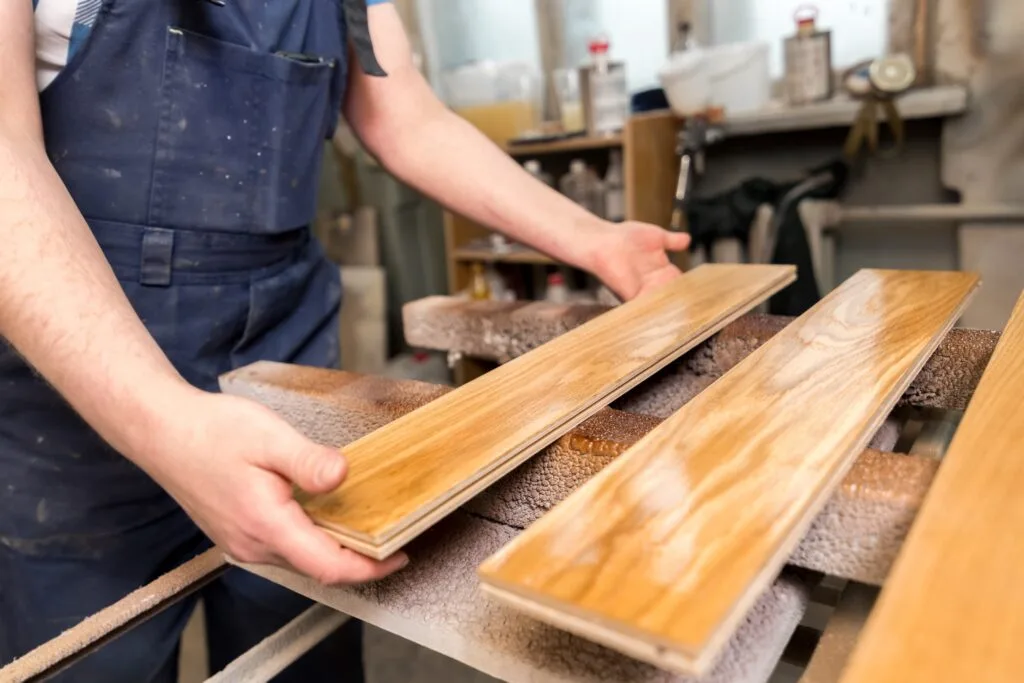
Furniture decorative panels are engineered or natural surface materials used in furniture construction to enhance visual appearance while also supporting structural integrity. They are commonly applied to cabinets, wardrobes, shelving systems, desks, and modular furniture units.
Unlike raw structural boards, furniture decorative panels combine aesthetics and functionality. They often feature surface finishes such as laminate, veneer, PVC coating, or textured designs that elevate the overall furniture look.
Why Decorative Furniture Panels Matter in Modern Furniture Design
The importance of furniture decorative panels comes from their ability to combine design flexibility with manufacturing efficiency.
Modern furniture design is no longer just about structure; it is about creating visually cohesive, functional, and adaptable systems. Decorative furniture panels allow designers to achieve consistent finishes across different furniture components, ensuring a unified interior style.
Industry production reports show that engineered decorative surfaces are increasingly replacing traditional solid wood finishes due to cost efficiency, material stability, and scalability in mass production.
Key Functional Benefits of Decorative Furniture Panels
Furniture decorative panels offer several functional advantages beyond aesthetics.
They improve surface durability by protecting underlying materials from scratches, moisture, and daily wear. This is especially important in high-use furniture such as kitchen cabinets and office desks.
They also enhance production efficiency. Because panels are pre-finished or semi-finished, manufacturers can reduce painting, polishing, and finishing time.
Another important benefit is dimensional stability. Engineered decorative panels are less likely to warp or crack compared to solid wood, especially under changing environmental conditions.
Types of Decorative Furniture Panels
There are several types of furniture decorative panels used in modern manufacturing.
Laminated Panels
These panels feature a protective laminate layer that improves durability and offers a wide range of colors and textures.
Veneer Panels
Veneer panels use a thin layer of natural wood to create a premium appearance while reducing material cost.
PVC Coated Panels
PVC panels are moisture-resistant and commonly used in kitchens and bathrooms.
Melamine Panels
Melamine-coated panels are widely used in mass-produced furniture due to their affordability and durability.
Painted Panels
These panels are finished with paint coatings, often used in modern minimalist furniture design.
Comparison of Decorative Furniture Panels
The table below highlights key differences between common panel types:
| Panel Type | Durability | Cost Level | Aesthetic Quality | Moisture Resistance | Typical Use |
|---|---|---|---|---|---|
| Laminated Panels | High | Medium | High | Medium | General furniture |
| Veneer Panels | Medium | High | Very High | Medium | Premium furniture |
| PVC Panels | High | Medium | Medium | High | Kitchens, bathrooms |
| Melamine Panels | Medium | Low | Medium | Low to Medium | Mass production |
| Painted Panels | Medium | Medium | High | Low | Modern interiors |
This comparison shows how different decorative furniture panels serve different design and functional needs.
Applications in Furniture Design
Furniture decorative panels are used across a wide range of furniture categories.
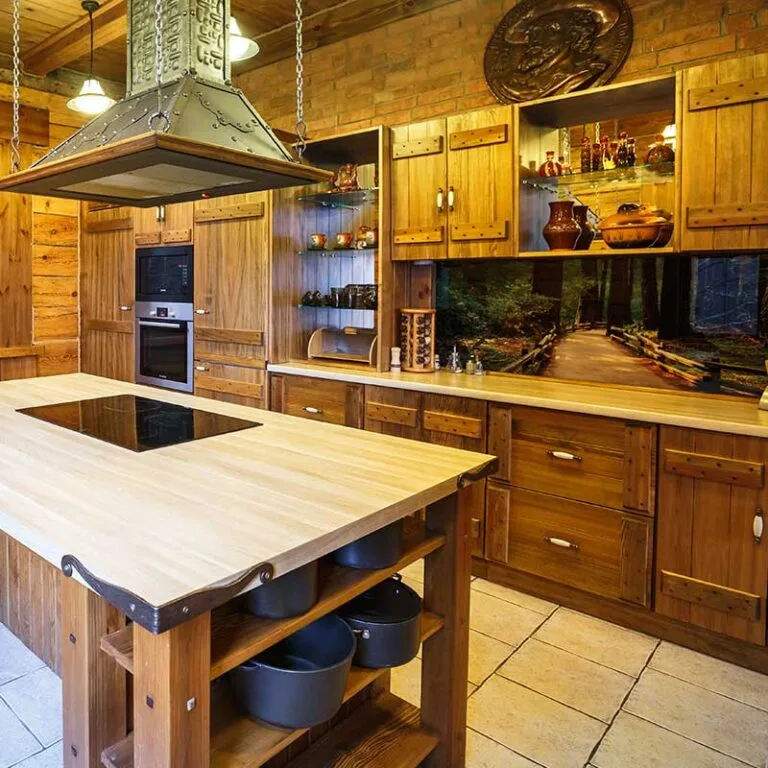
In residential furniture, they are commonly applied in wardrobes, kitchen cabinets, and storage units. Their visual consistency helps create a cohesive home interior.
In office furniture, panels are used for desks, partitions, and storage systems, where durability and professional appearance are essential.
In commercial furniture, decorative panels help create branded environments in retail, hospitality, and exhibition spaces.
Their adaptability makes them essential in both standard and custom furniture production.
Design Flexibility and Aesthetic Value
One of the biggest advantages of decorative furniture panels is their design flexibility.
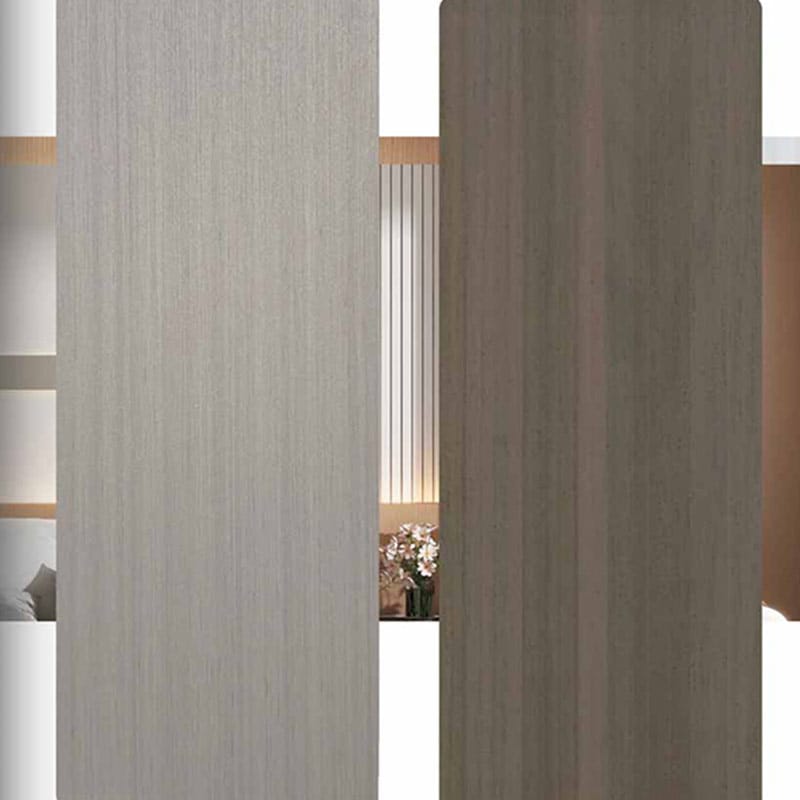
They are available in a wide range of textures, colors, and finishes, allowing designers to achieve almost any visual effect. From natural wood textures to high-gloss modern finishes, decorative panels support diverse design concepts.
They also enable consistency across large furniture systems. This is particularly important in modular furniture design, where multiple components must visually align.
Manufacturing Efficiency and Cost Advantages
From a manufacturing perspective, decorative furniture panels significantly improve efficiency.
Pre-finished surfaces reduce the need for additional processing steps such as painting or polishing. This shortens production time and reduces labor costs.
Standardized panel sizes also support automated cutting and assembly processes, which increases production scalability.
Market analysis from furniture manufacturing sectors shows that the use of pre-finished decorative panels can reduce overall production time by a noticeable margin compared to traditional finishing methods.
Sustainability and Material Innovation
Sustainability is becoming increasingly important in furniture production.
Modern decorative furniture panels are often made using low-emission adhesives and recycled wood materials. This reduces environmental impact while maintaining performance standards.
Manufacturers are also developing eco-friendly coatings and water-based finishes to meet stricter environmental expectations.
These innovations are helping decorative furniture panels align with global sustainability goals in interior design and manufacturing.
Common Challenges and Considerations
Despite their advantages, decorative furniture panels also present some challenges.
Moisture sensitivity can affect lower-grade materials, especially in humid environments. Selecting moisture-resistant options is important for kitchens and bathrooms.
Surface damage can occur if panels are not properly coated or maintained.
Color matching between batches may vary slightly, which requires careful supplier selection for large projects.
Proper material selection and quality control are essential to ensure long-term performance.
Future Trends in Decorative Furniture Panels
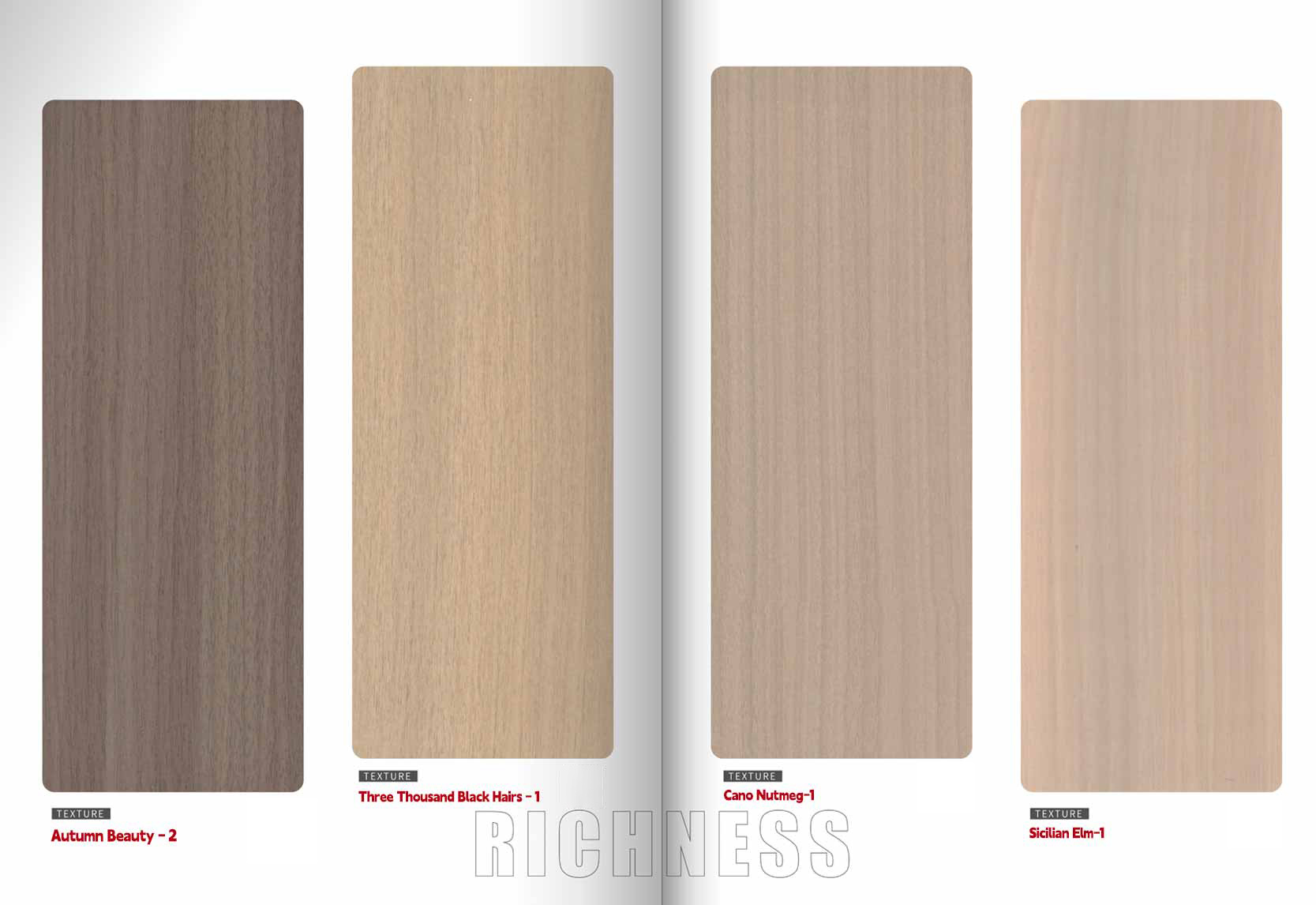
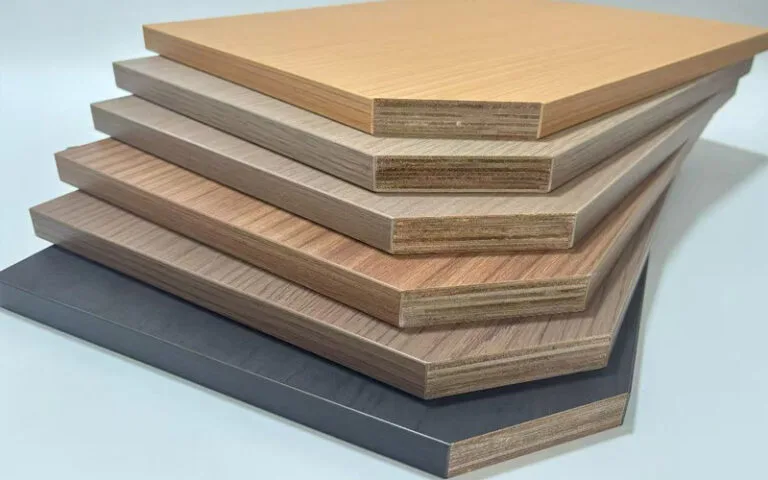
The future of decorative furniture panels is closely linked to innovation in materials and design technology.
Smart manufacturing and digital printing are enabling more customized and complex surface designs.
There is also growing demand for multifunctional panels that combine aesthetics with acoustic or thermal performance.
Minimalist and modular furniture systems will continue to drive demand for consistent and flexible panel materials.
Sustainability will remain a key focus, with increased use of recyclable and low-emission materials.
Conclusion
Decorative furniture panels are no longer just surface materials. They are a fundamental element of modern furniture design, influencing aesthetics, functionality, manufacturing efficiency, and sustainability. Understanding their types, applications, and advantages helps designers and manufacturers create better, more efficient, and more visually appealing furniture systems.
FAQ
What are decorative furniture panels used for?
Decorative furniture panels are used to cover and enhance furniture surfaces such as cabinets, wardrobes, and desks. They improve appearance while also adding protection, durability, and design consistency across different furniture components.
What materials are used for decorative furniture panels?
Common materials include MDF, plywood, particle board, solid wood, veneer, laminate, and PVC. Each material offers different levels of strength, moisture resistance, cost, and visual finish depending on the application.
Are decorative furniture panels durable?
Yes, high-quality decorative furniture panels are designed for long-term use. Their durability depends on the core material and surface finish, with laminated and PVC-coated panels offering better resistance to wear and moisture.
Where are decorative furniture panels commonly used?
They are widely used in residential and commercial furniture, including kitchen cabinets, wardrobes, office desks, shelving systems, and retail furniture. They help create a unified and professional interior appearance.
How do you choose the right decorative furniture panels?
You should consider factors like material type, durability, moisture resistance, surface finish, budget, and design requirements. Choosing the right panel ensures better performance, longer lifespan, and improved visual consistency.
Need Help Choosing the Right Decorative Furniture Panels?
If you’re unsure which decorative furniture panels best fit your design style, performance requirements, or production needs, our experts are here to help. Contact us today for a personalized consultation and get professional guidance on selecting high-quality, durable, and cost-effective panel solutions. Don’t wait until your project starts—get in touch now to ensure your furniture design achieves a premium, consistent, and long-lasting finish!