Table of Contents
Introduction

Furniture panels are the backbone of modern furniture manufacturing and interior design. From cabinets and wardrobes to office desks and decorative wall systems, furniture panels determine not only the structure of a product but also its appearance, durability, and long-term performance.
If you are designing interiors, sourcing materials, or manufacturing furniture, understanding furniture panels will help you make smarter decisions, reduce costs, and improve product quality. This guide breaks down everything you need to know, including materials, types, applications, performance factors, and market trends.
What Are Furniture Panels
Furniture boards are flat or engineered boards used to construct furniture components such as sides, tops, shelves, doors, and back panels. They are typically manufactured from wood or wood-based materials and are designed to provide both structural support and surface aesthetics.
Unlike solid wood pieces, furniture boards are often engineered to improve consistency, reduce material waste, and enhance performance. They can be produced in large sizes, making them ideal for mass production and modular furniture systems.
Types of Furniture Panels
Furniture boards come in several categories depending on material composition and application. Each type offers different advantages.
Solid Wood Panels
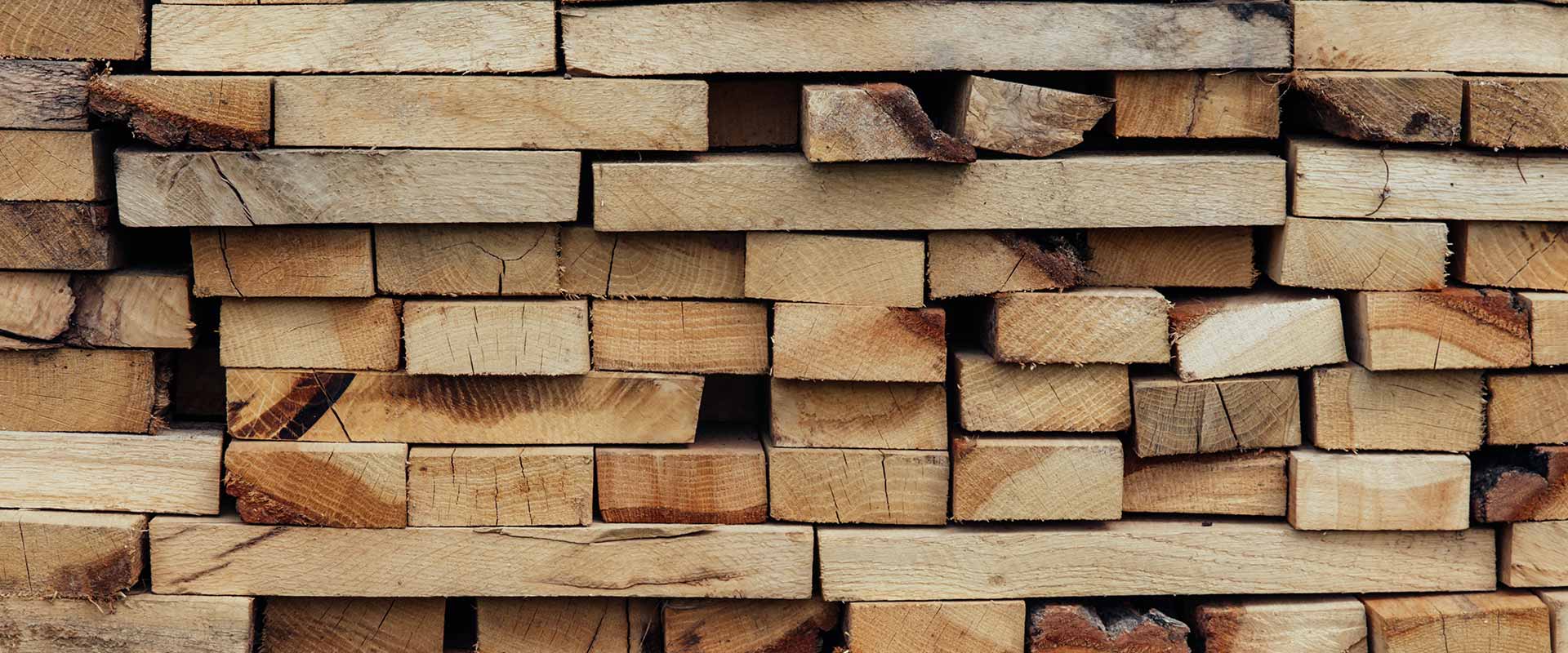
Solid wood boards are made from natural timber and are valued for their strength, durability, and premium appearance. They are commonly used in high-end furniture and custom projects.
MDF Panels
Medium-density fiberboard panels are made from wood fibers bonded with resin. They offer a smooth surface, making them ideal for painting and laminating.
Particle Board Panels
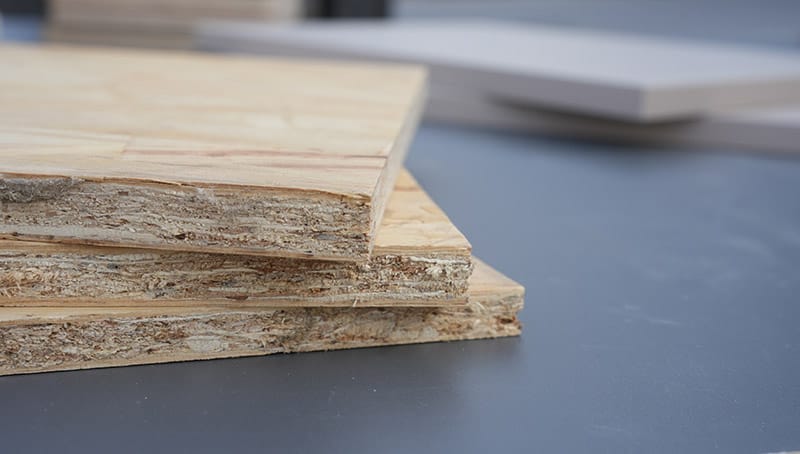
Particle board panels are made from compressed wood chips. They are cost-effective and widely used in mass-produced furniture.
Plywood Panels
Plywood is made by layering thin sheets of wood veneer. It offers excellent strength and stability, making it suitable for structural applications.
Veneered Panels
These panels combine a core material like MDF or plywood with a thin layer of natural wood veneer, providing a premium look at a lower cost.
Materials Used in Furniture Panels
Material selection directly impacts performance, cost, and application.
Common materials include:
- Natural wood for premium aesthetics
- Engineered wood such as MDF and particle board for cost efficiency
- Plywood for structural strength
- Laminates for surface protection
- PVC and acrylic finishes for modern designs
According to industry manufacturing reports, engineered wood panels account for the majority of global furniture production due to their affordability and consistency.
Key Features and Performance Factors
When selecting furniture panels, several performance factors should be considered.
Durability
High-quality panels resist wear, impact, and deformation over time.
Moisture Resistance
Panels used in kitchens or bathrooms must resist humidity and water exposure.
Surface Finish
The finish determines visual appeal and maintenance requirements.
Workability
Panels should be easy to cut, drill, and assemble during manufacturing.
Environmental Performance
Low-emission panels contribute to healthier indoor environments and meet modern sustainability standards.
Applications of Furniture Panels in Modern Interiors
Furniture boards are used across a wide range of interior applications.
Residential Furniture
Panels are used in wardrobes, cabinets, kitchen systems, and shelving units.
Office Furniture
Desks, partitions, and storage systems rely heavily on durable panel materials.
Commercial Interiors
Retail stores, hotels, and public spaces use panels for both functional furniture and decorative elements.
Decorative Wall Systems
Furniture boards are increasingly used as wall cladding to enhance interior design.
Comparison of Common Furniture Panels
Below is a comparison of the most widely used furniture board types:
| Panel Type | Strength | Cost | Surface Finish | Moisture Resistance | Typical Use |
|---|---|---|---|---|---|
| Solid Wood | High | High | Natural | Medium | Premium furniture |
| MDF | Medium | Medium | Smooth | Low | Painted furniture |
| Particle Board | Low | Low | Basic | Low | Budget furniture |
| Plywood | High | Medium | Versatile | High | Structural components |
| Veneered Panels | Medium | Medium | Premium look | Medium | Decorative furniture |
This comparison highlights how different panels serve different needs depending on budget, performance requirements, and design goals.
How to Choose the Right Furniture Panels
Choosing the right furniture boards depends on your project requirements.
Consider the following:
- Application environment such as dry or humid conditions
- Budget and cost efficiency
- Desired appearance and finish
- Structural requirements
- Sustainability and environmental standards
For example, if you are working on a kitchen project, moisture-resistant plywood or treated MDF may be more suitable than standard particle board.
Installation and Processing Considerations
Furniture boards are designed for efficient processing, but proper handling is essential.
Key considerations include:
- Accurate cutting and edge finishing
- Proper sealing to prevent moisture penetration
- Using compatible hardware and fasteners
- Ensuring flat and stable installation surfaces
Precision during processing improves both durability and final product quality.
Market Trends in Furniture Panels
The furniture panel industry is evolving rapidly due to changes in design preferences and manufacturing technologies.
Current trends include:
- Increasing demand for eco-friendly and low-emission materials
- Growth of modular and ready-to-assemble furniture systems
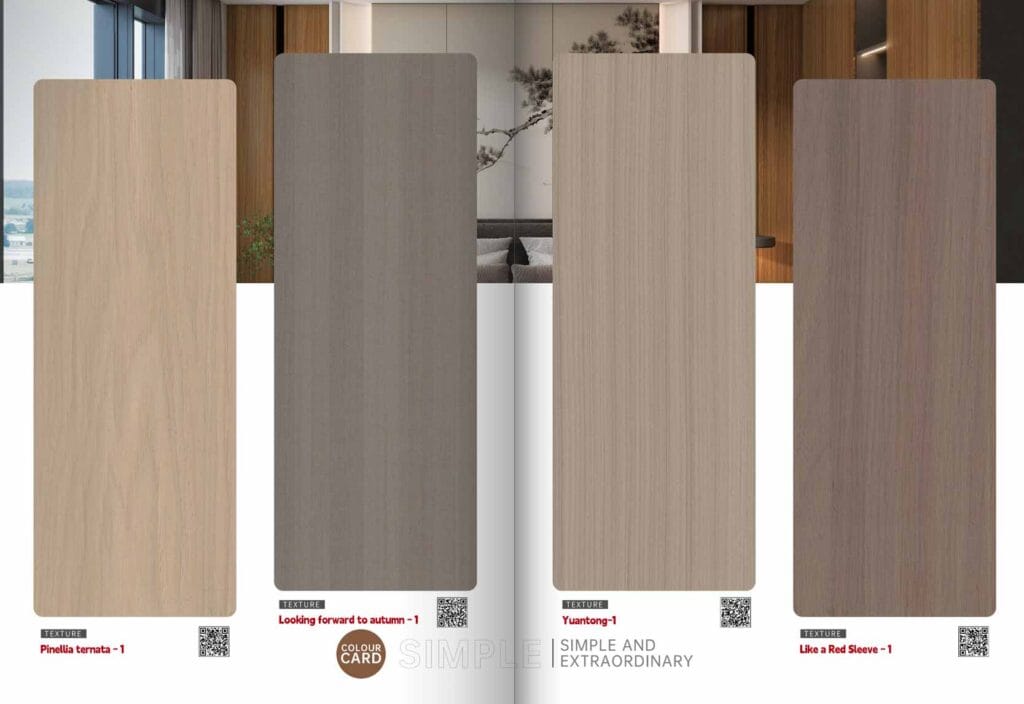
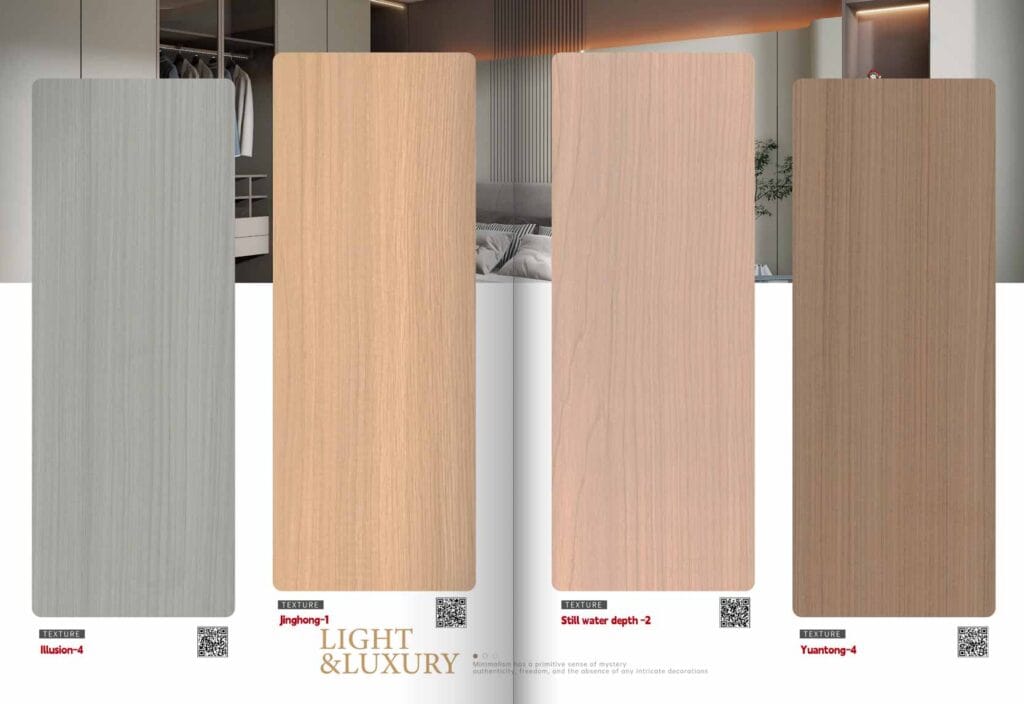
- Rising popularity of textured and decorative finishes
- Expansion of digital manufacturing and precision cutting technologies
Market research data indicates that sustainable panel materials are one of the fastest-growing segments, driven by both regulatory requirements and consumer awareness.
Common Problems and Maintenance Tips
Even high-quality furniture boards can face issues if not properly selected or maintained.
Common problems include:
- Swelling due to moisture exposure
- Surface scratches and wear
- Delamination of finishes
- Structural weakening over time
Maintenance tips:
- Avoid excessive moisture exposure
- Clean surfaces with non-abrasive materials
- Use protective coatings when necessary
- Repair or replace damaged panels promptly
Proper care extends the lifespan and maintains the appearance of furniture boards.
Future Outlook of Furniture Panels in Interior Design
Furniture boards will continue to play a central role in modern interiors.
Future developments are expected in:
- Advanced engineered materials with improved strength and sustainability
- Integration with smart furniture systems
- Greater customization options for design flexibility
- Increased automation in production processes
As interior design moves toward more efficient and sustainable solutions, furniture panels will remain a key component in achieving both functional and aesthetic goals.
Conclusion
Furniture boards are more than just building materials. They are essential elements that shape the structure, appearance, and performance of modern furniture and interiors. By understanding their types, materials, and applications, you can make informed decisions that improve both design quality and long-term value.
FAQ
What are furniture panels used for?
Furniture boards are used to build structural and decorative parts of furniture such as cabinets, shelves, wardrobes, and desks.
What materials are commonly used for furniture panels?
Common materials include MDF, plywood, particle board, solid wood, and veneered panels, depending on performance and cost needs.
Are furniture panels durable?
Yes, high-quality furniture panels can be very durable, especially when properly finished and used in suitable environments.
How do you choose the right furniture panels?
You should consider factors like strength, moisture resistance, surface finish, budget, and the intended application.
Can furniture panels be customized?
Yes, furniture panels can be customized in size, thickness, material, and finish to meet different design and manufacturing requirements.
Need Help Choosing the Right Furniture Panels?
If you’re unsure which furniture panels best fit your design, performance requirements, or project budget, our experts are here to help. Contact us today for a personalized consultation and get professional guidance on selecting durable, high-quality, and cost-effective panel solutions. Don’t wait until production begins—get in touch now to ensure your furniture project is built to last and meets the highest standards!
.jpg)