Table of Contents
Introduction
Wooden panels are no longer just functional elements—they have become central to home aesthetics, sustainability, and interior innovation. In 2026, homeowners and designers alike are prioritizing texture, eco-conscious materials, and creative applications to make interiors feel both modern and timeless. From raw OSB textures to luxurious solid wood accents, wooden panels offer endless possibilities for walls, ceilings, furniture, and decorative surfaces.
In this article, we’ll explore 7 stunning wooden panels trends that are reshaping home interiors, along with practical insights, comparisons, and professional recommendations.
Key Takeaways:
- Discover the top 7 wooden panel trends for 2026
- Learn the advantages of OSB, MDF, eco-friendly boards, particle boards, plywood, and solid wood boards
- Compare panel types for cost, durability, and eco-friendliness
- Real-life examples and regional preferences for home design
- Expert tips for installation, maintenance, and styling
- FAQ section addressing common homeowner questions
Trend 1: Oriented Strand Board (OSB) for Raw, Industrial Style
.jpg)
What Makes OSB Unique?
Oriented Strand Board is crafted from compressed wood strands with adhesives. Its visible wood strand patterns give interiors a raw, industrial feel while remaining highly functional.
Applications in 2026 Homes:
- Feature walls in loft apartments
- Ceiling panels in minimalist living rooms
- Shelving back panels for a rugged texture
Industry Insight:
According to Architectural Woodworks Review (2022), OSB usage in residential interiors has increased by 18% globally due to its affordability and aesthetic appeal.
Regional Preference:
- In North America, OSB is trending in urban lofts and industrial-style homes.
- European designers often combine OSB with painted or laminated finishes for a balance of ruggedness and sophistication.
Professional Tip:
Finish OSB with a clear matte sealant to maintain its texture while protecting it from moisture and dust.
Trend 2: Medium Density Fiberboard (MDF) for Sleek, Customizable Interiors
-2.jpg)
MDF Overview
MDF is an engineered wood panel made from fine wood fibers and resin. Its smooth surface is perfect for painted finishes, laser-cut designs, and detailed moldings.
Advantages in Home Design:
- Versatile for cabinetry, wall panels, and decorative furniture
- Affordable alternative to solid wood for indoor applications
- Easy to cut, drill, and shape without splintering
Expert Opinion:
Designer Laura Mitchell notes, “MDF allows for high-end custom detailing at a fraction of the cost of traditional hardwood. Its consistent density ensures uniformity for paint or veneer finishes.”
Regional Trend:
- In Asia, MDF is preferred for kitchen cabinetry due to cost efficiency.
- Scandinavian homes favor MDF for clean, minimalist wall panels painted in muted tones.
Pro Tip:
Seal MDF edges before painting to prevent moisture absorption and swelling, extending panel life.
Trend 3: Eco-Friendly Boards for Sustainable Interiors
.jpg)
Eco-Friendly Boards Defined
These panels are made from recycled wood, bamboo, or fast-growing sustainable materials. They are low-emission, renewable, and reduce environmental impact.
Applications:
- Children’s rooms and nurseries
- Kitchens and bathrooms with low VOC requirements
- Eco-conscious commercial spaces
Data Insight:
According to the Global Sustainable Materials Report (2023), eco-friendly panels have a 35% lower carbon footprint than traditional plywood and MDF.
Designer Perspective:
Architect Rajesh Kumar comments, “Sustainability is no longer optional—homeowners want interiors that reflect eco-conscious values. Eco-friendly boards provide both performance and peace of mind.”
Regional Notes:
- Popular in urban centers in California and Scandinavia
- Increasingly adopted in Australian homes for their low-maintenance and environmental benefits
Trend 4: Particle Board for Affordable and Practical Solutions
Particle Board Basics
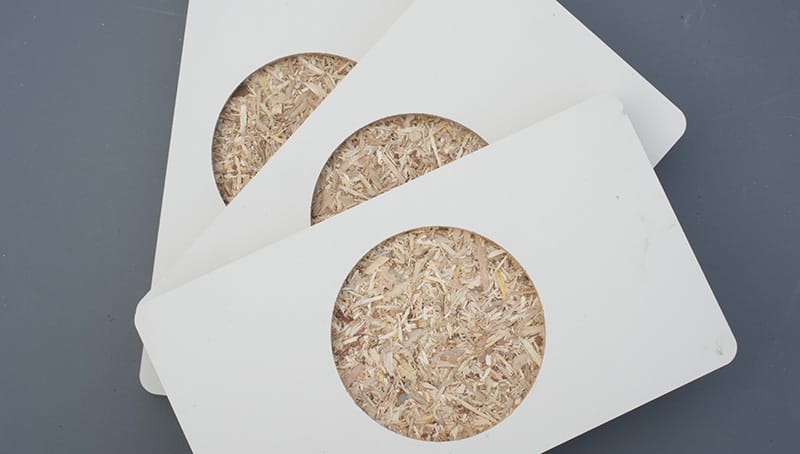
Made by compressing wood chips and adhesives, particle board is lightweight, affordable, and versatile for furniture and cabinetry.
Pros for Home Design:
- Ideal for modular furniture, storage units, and budget renovations
- Can be laminated for premium aesthetics
- Lightweight, making it easy to transport and install
Considerations:
- Not as durable as plywood or solid wood under high moisture conditions
- Best used in interiors with controlled humidity
Case Study:
A 2022 renovation in a European apartment building used laminated particle board for kitchen cabinets, reducing costs by 30% without compromising style or durability.
Trend 5: Plywood Panels for Strength and Style
.jpg)
Plywood Essentials
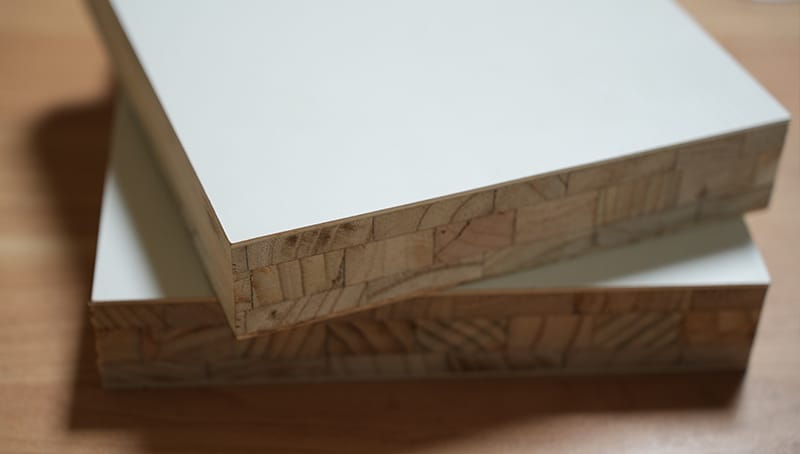
Plywood consists of layers of wood veneer glued at alternating angles. Its strength, stability, and aesthetic versatility make it a top choice for both modern and traditional interiors.
Applications:
- Flooring and subfloors
- Wall panels and ceiling cladding
- Furniture and cabinetry
Expert Insight:
Engineer Mark Thompson notes, “Plywood remains a favorite for high-traffic areas because it resists warping and maintains structural integrity over decades.”
Regional Preference:
- North American homes use plywood extensively for subfloors and built-in furniture
- Japanese interiors often highlight plywood’s grain for minimalistic and warm aesthetics
Pro Tip:
Choose high-grade plywood with a smooth veneer finish for visible surfaces to maximize visual appeal.
Trend 6: Solid Wood Boards for Luxury Interiors
Why Solid Wood Stands Out
Solid wood boards are cut directly from timber, offering natural grain, unmatched durability, and the possibility of refinishing multiple times.
Applications:
- Feature walls and accent panels
- Flooring and staircases
- Custom furniture pieces
Data Insight:
According to Wood Products Industry Report 2022, solid wood panels maintain functionality and aesthetic appeal for 50+ years with proper care.
Regional Preference:
- Luxury homes in Europe and North America favor oak, walnut, and maple for feature walls
- Asian designs often incorporate teak and cherry wood for flooring and wall panels
Maintenance Tip:
Apply protective sealants and periodically refinish to retain natural beauty and prevent moisture damage.
Trend 7: Mixing Materials for a Contemporary Look
Creative Panel Combinations
Combining OSB, MDF, plywood, and solid wood panels in one interior can create dynamic textures and depth. Designers use contrasts between natural, raw, and painted finishes to energize spaces.
Benefits:
- Functional differentiation: durable panels in high-traffic areas, decorative panels elsewhere
- Visual interest: layering textures adds depth and modern sophistication
- Flexibility in color and finish to suit various interior themes
Case Study:
A 2023 commercial loft in New York integrated OSB ceilings with MDF cabinetry and solid wood flooring. This combination reduced construction costs by 15% while achieving a high-end, industrial-modern aesthetic.
Comparison Table: Wooden Panels for Modern Homes
| Panel Type | Strength | Cost | Eco-Friendliness | Ideal Use | Maintenance |
|---|---|---|---|---|---|
| OSB | High | Low | Moderate | Feature walls, shelves | Medium |
| MDF | Medium | Low | Low | Cabinets, wall panels | Low |
| Eco-Friendly Board | Medium | Medium | High | Kids rooms, kitchens | Medium |
| Particle Board | Medium | Low | Low | Furniture, storage | Low |
| Plywood | High | Medium | Medium | Flooring, walls, cabinets | Medium-High |
| Solid Wood Board | Very High | High | Low-Medium | Feature walls, flooring | High |
Expert Tips for Homeowners
- Installation: Always follow manufacturer guidelines. Use recommended adhesives, screws, and finishes for durability.
- Maintenance: Regular cleaning, avoiding moisture exposure, and refinishing solid wood extend panel life.
- Design: Combine textures and materials thoughtfully; use raw OSB or eco-friendly boards for accent areas while keeping primary surfaces durable.
- Sustainability: Consider FSC-certified wood and eco-friendly boards to reduce environmental impact.
Real-Life Inspirations and 2026 Design Trends
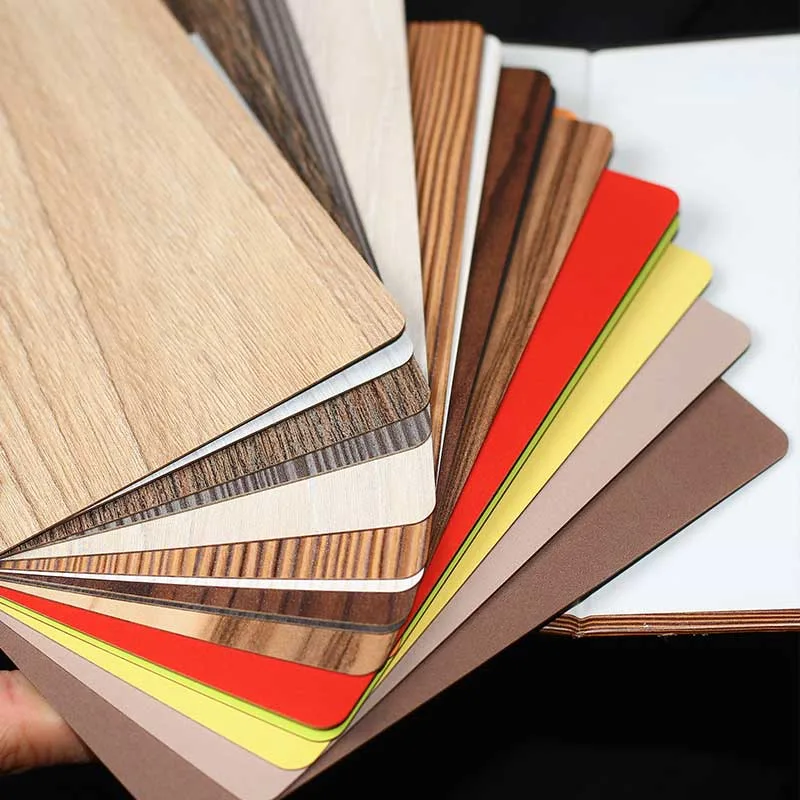
- Urban lofts are embracing OSB and mixed panel textures for an industrial look
- Scandinavian homes favor MDF and plywood for clean, minimalistic interiors
- Eco-conscious homeowners are choosing recycled or bamboo-based panels for indoor walls and furniture
- Luxury properties increasingly feature solid wood panels as statement walls, flooring, and custom cabinetry
Conclusion
Wooden panels are more than just functional surfaces—they define style, sustainability, and innovation in 2026 home design. By understanding the strengths, applications, and trends of OSB, MDF, eco-friendly boards, particle boards, plywood, and solid wood boards, homeowners can make informed choices that balance cost, aesthetics, and durability. Whether you’re renovating a loft, designing a luxury home, or creating sustainable interiors, wooden panels offer endless possibilities for creativity and elegance.
FAQ
Q1: Which panel is best for eco-conscious homeowners?
A: Eco-friendly boards are ideal due to low VOC emissions and sustainable sourcing.
Q2: Can OSB be used in high-moisture areas?
A: It can be used with proper sealants, but plywood or solid wood is generally better for bathrooms and kitchens.
Q3: How do I choose between MDF and solid wood boards?
A: MDF is cost-effective and versatile for painted surfaces; solid wood is durable, luxurious, and long-lasting.
Q4: Are particle boards suitable for long-term use?
A: Particle boards are best for light-use furniture and interior panels. Heavy use or moisture can shorten lifespan.
Q5: Is mixing panel types recommended?
A: Yes, mixing OSB, MDF, plywood, and solid wood can create texture and depth while serving functional needs.
Q6: How often should I maintain solid wood panels?
A: Refinish or seal every 5–10 years depending on usage and exposure to moisture.
Q7: What regional styles influence panel choice?
A: North America prefers oak and maple; Europe uses plywood for minimalist interiors; Asia often chooses teak or bamboo for flooring and walls.
Q8: Can these panels increase property value?
A: Yes, high-quality panels like solid wood and well-finished plywood can improve aesthetics and long-term property value.
Thank you for reading!
I’m glad you joined me on this journey. If you found this content useful or interesting, I would love to hear your thoughts.
- Follow me on Facebook for tips, updates, and community discussions.
Click here to connect - Subscribe to my YouTube channel for tutorials, demonstrations, and practical insights.
Click here to subscribe
Feel free to share your feedback or questions in the comments or on social media. Let’s keep learning and growing together!
-3.jpg)
.jpg)