Table of Contents
Introduction
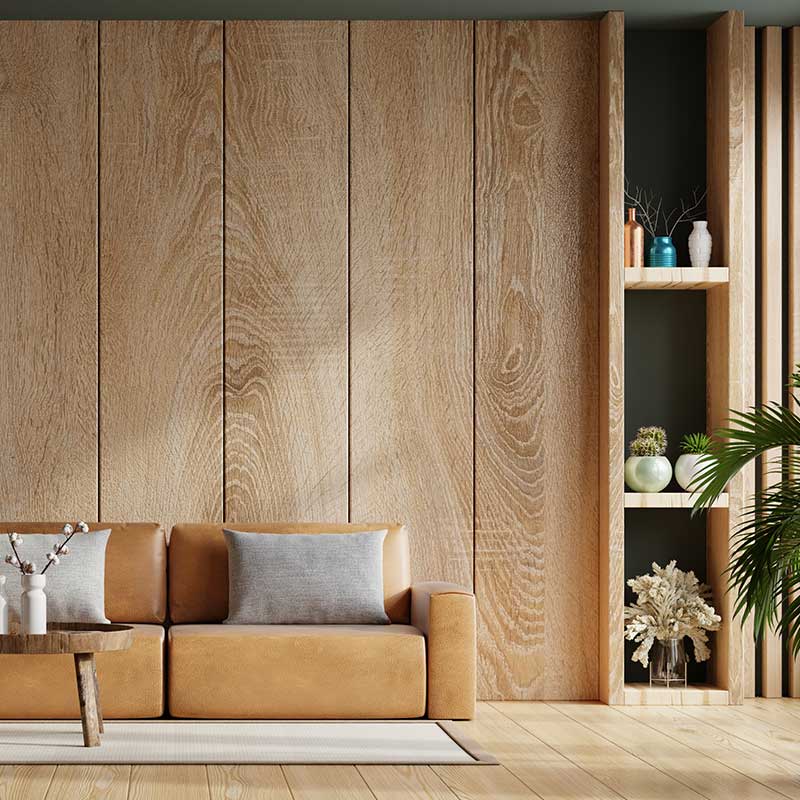
Furniture panels are an essential element for anyone looking to upgrade or personalize interior spaces. Not only do they add visual appeal, but they also provide structural support, protect surfaces, and enhance the overall ambiance of a room.
DIY furniture panels have gained popularity as materials like plywood, MDF, and veneer become more affordable and accessible. Combined with modern tools like laser cutters, routers, and sanding machines, DIYers can achieve professional-level results without hiring contractors.
Why Furniture Panels Are Worth It:
- Improve aesthetics of walls, cabinets, or furniture pieces
- Protect furniture from scratches, moisture, and wear
- Enable customization with colors, textures, and 3D designs
Planning your furniture panel project involves selecting the right material, mastering cutting and finishing techniques, and understanding maintenance needs. By following the right process, your DIY furniture panels can last for years while transforming your home.
Textured Wooden Furniture Panels: Adding Warmth and Character
Understanding Texture Options
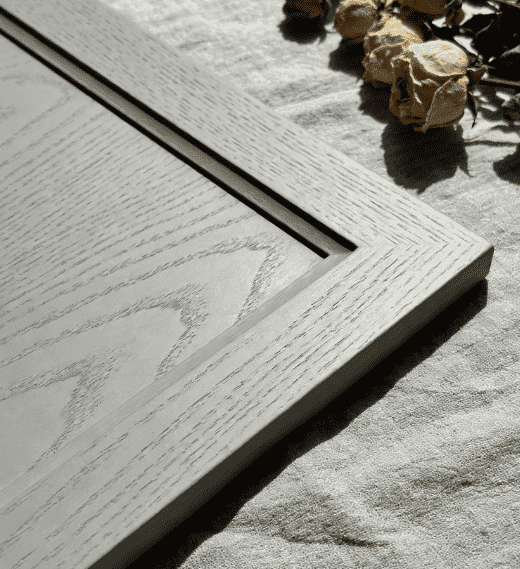
Textured wooden furniture panels bring natural warmth and depth. Common materials include:
- Oak: Strong, durable, prominent grain, ideal for rustic looks
- Maple: Smooth surface, light color, suitable for painting or staining
- Walnut: Dark and luxurious, perfect for statement pieces
Surface Treatment Techniques
- Wire Brushing: Highlights natural wood grain, gives rustic appearance
- Routing Patterns: Create geometric or artistic grooves for modern aesthetics
- Sanding and Sealing: Smooth edges and apply clear coats to prevent moisture damage
Example: A German café installed oak textured panels on shelves, which withstood heavy daily use for over 5 years while enhancing visual appeal.
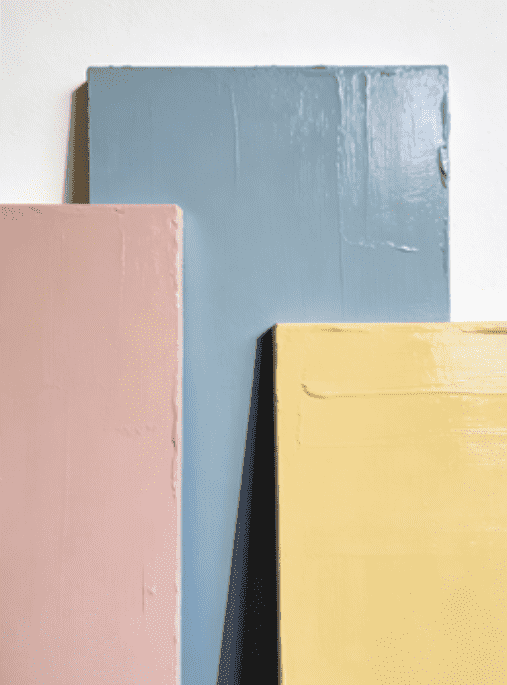
Painted Furniture Panels: Vibrant Colors for DIY Enthusiasts
Selecting Panels for Painting
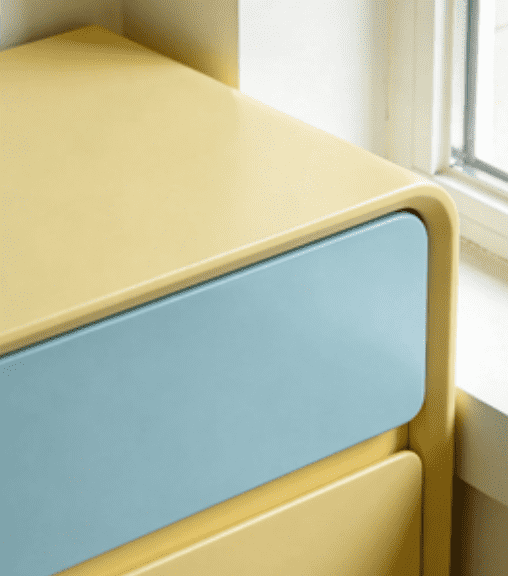
MDF and plywood panels are ideal for painted finishes due to their uniform surfaces. When painting furniture panels, consider:
- Primer: Prevents warping and ensures adhesion
- Paint Type: Acrylic for indoor use, oil-based for durability
- Topcoat: Protects against scratches and spills
Step-by-Step Painting Tips
- Sand panels with 120–180 grit sandpaper
- Apply a coat of primer and let it dry
- Paint 2–3 thin layers, allowing drying between coats
- Finish with a protective topcoat for longevity
Case Study: In Canada, a homeowner repainted kitchen cabinet panels with matte turquoise, brightening the space and providing a long-lasting finish without replacing the cabinets.
Veneer Furniture Panels: Affordable Elegance
Benefits of Veneer Panels
Veneer panels give the appearance of solid wood at a lower cost. They are lightweight, easy to handle, and compatible with paints, stains, and lacquer.
Maintenance Tips:
- Wipe with a damp cloth; avoid excessive water
- Apply protective lacquer to prevent UV damage and scratches
Veneer vs Solid Wood Comparison Table:
| Feature | Veneer Panels | Solid Wood Panels | Best Use Case |
|---|---|---|---|
| Weight | Light | Heavy | Furniture requiring mobility |
| Cost | Low | High | Budget-conscious projects |
| Appearance | Wood look | Natural texture | Luxury furniture or flooring |
| Maintenance | Easy | Moderate | High-traffic areas |
| Flexibility | Slightly bendable | Rigid | Curved or custom-shaped designs |
Tip: For DIYers with limited tools, veneer panels are easier to cut, sand, and finish than solid wood.
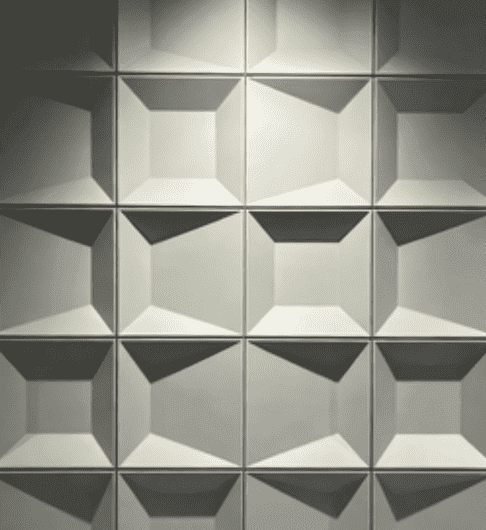
3D Decorative Furniture Panels: Create Depth and Visual Interest
Types of 3D Panels
- Geometric Layers: MDF panels with repeating shapes for walls or cabinet fronts
- Laser-Cut Designs: Intricate motifs for decorative furniture
- Stacked Panels: Alternating heights (1.5–3 cm) for tactile surfaces
Installation Tips
- Use strong adhesives or screws
- Align panels precisely to maintain symmetry
- Use spacers for even gaps
DIY Case Study: In Italy, a homeowner used layered MDF panels for a living room feature wall, creating depth and elegance at a fraction of professional installation cost.
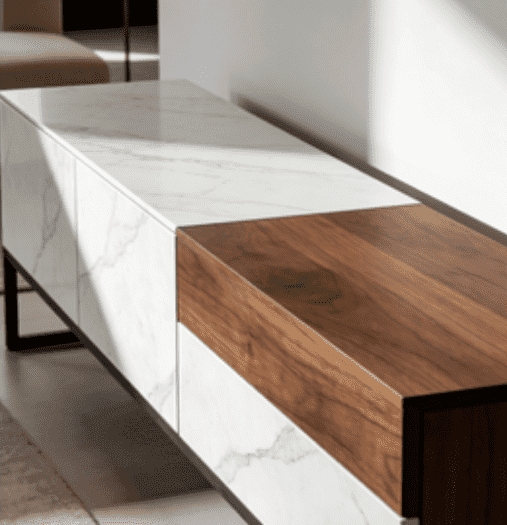
Laminated and Mixed-Material Panels: Durability Meets Style
Materials and Benefits
- High-Pressure Laminates (HPL): Scratch-resistant, ideal for kitchens and high-use areas
- PVC-Coated MDF: Water-resistant for bathrooms or basements
- Metal Inserts: Combine wood and metal for modern aesthetics
DIY Tips
- Sand and prime surfaces before laminating
- Maintain uniform panel thickness to prevent uneven surfaces
- Use clamps to ensure strong adhesion while curing
Case Example: Laminated cabinet panels in a UK home lasted over 8 years in a busy kitchen with minimal maintenance.
Maintenance and Longevity Tips
Maintaining furniture panels extends their life and preserves aesthetics:
- Dust regularly to prevent scratches
- Avoid moisture exposure, especially MDF and veneer panels
- Use protective pads under heavy objects
- Apply touch-ups to painted or laminated surfaces
Example: An Italian homeowner maintained painted MDF cabinet panels for over 5 years using regular cleaning and protective coatings.
Tools and Safety for DIYers
Essential Tools
- Table saws and circular saws for accurate cutting
- Sanders for smooth finishing
- Laser cutters for intricate designs
- Clamps and jigs for precise assembly
Safety Tips
- Always wear eye and hand protection
- Ensure proper ventilation when using paints or adhesives
- Secure panels before cutting to prevent movement
Material Cost and Sizing Reference
| Panel Type | Typical Thickness | Cost per m² (USD) | Recommended Use |
|---|---|---|---|
| MDF | 12–18 mm | 12–18 | Painted cabinets, shelves |
| Plywood | 12–25 mm | 15–25 | Structural furniture, tables |
| Veneer | 6–12 mm | 10–20 | Wall panels, decorative doors |
| Laminated MDF/HPL | 12–18 mm | 20–30 | Kitchen cabinets, wet areas |
| Mixed Wood & Metal | 15–25 mm | 25–40 | Modern furniture accents |
Conclusion
Furniture panels offer endless creative opportunities for DIYers. By understanding materials, installation techniques, finishes, and maintenance practices, you can transform ordinary furniture or walls into stunning, personalized spaces. Proper planning and attention to detail will ensure panels are durable, attractive, and professional-looking.
FAQ
Q1: Can veneer panels be used outdoors?
Only with UV-protective coatings and waterproof sealing.
Q2: How thick should panels be for cabinet doors?
15–18 mm for solid panels; 6–12 mm for decorative panels.
Q3: Are 3D panels beginner-friendly?
Start with small wall areas; practice alignment before large-scale installations.
Q4: How long do painted MDF panels last indoors?
10–15 years with correct priming and protective topcoat.
Q5: Which finish is best for high-traffic furniture?
Laminated or PVC-coated panels for scratch and moisture resistance.
Thank you for reading!
I’m glad you joined me on this journey. If you found this content useful or interesting, I would love to hear your thoughts.
- Follow me on Facebook for tips, updates, and community discussions.
Click here to connect - Subscribe to my YouTube channel for tutorials, demonstrations, and practical insights.
Click here to subscribe
Feel free to share your feedback or questions in the comments or on social media. Let’s keep learning and growing together!
-3.jpg)
.jpg)